Ukraine’s New Frontier in Drone Defense: AI-Powered Acoustic Detectors Take on FPV Threats

As drone warfare reshapes the modern battlefield, Ukraine continues to innovate in countering aerial threats. The latest development is not a new missile system or radar array, but an AI-powered acoustic detector designed to identify hostile FPV - First Person View - drones using sound alone. This new solution reflects a practical and adaptive approach to one of the most urgent threats facing frontline forces.
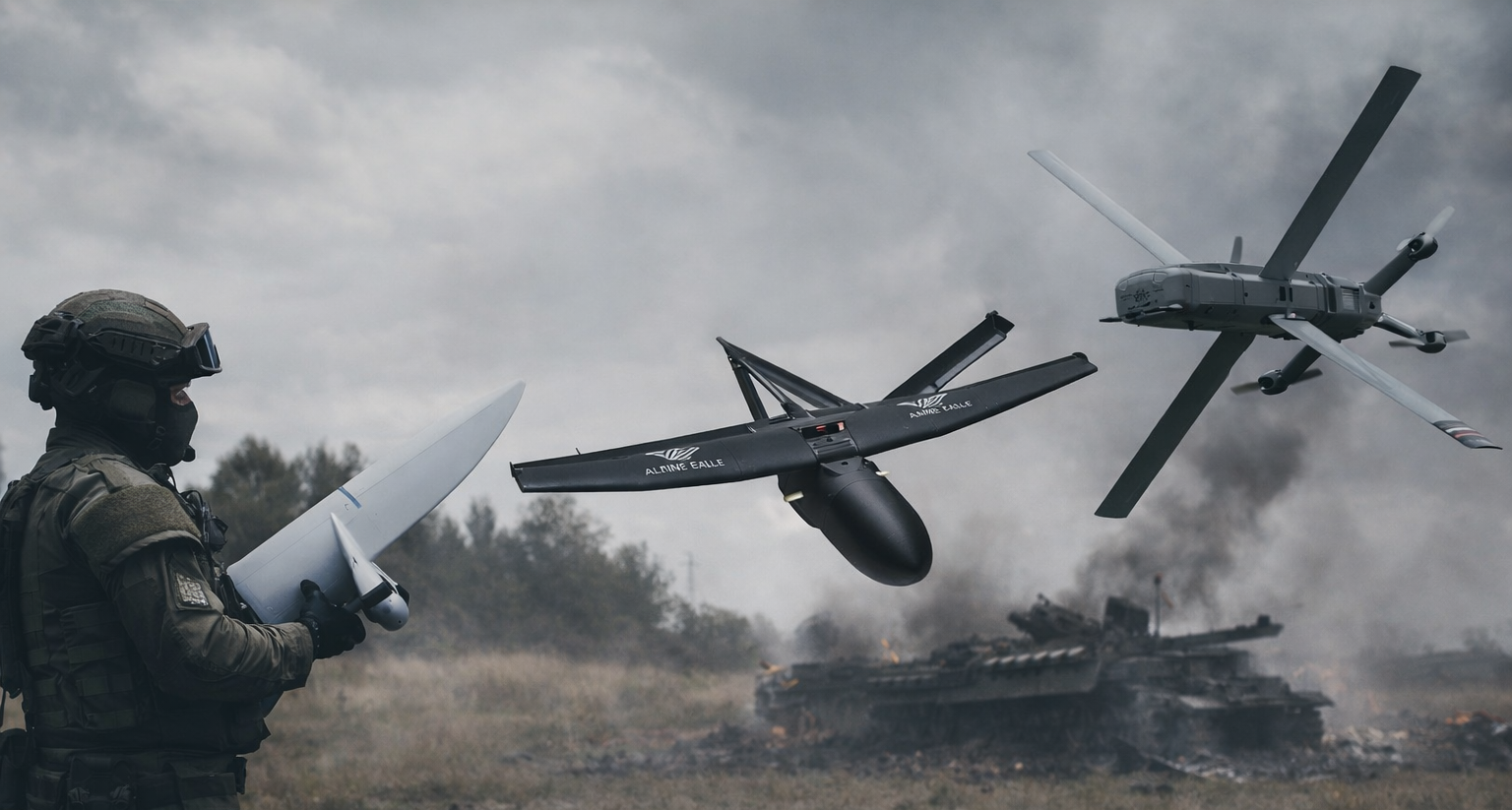
FPV drones have become a defining feature of contemporary warfare. Small, agile, and relatively inexpensive, they are used for reconnaissance and increasingly as strike platforms. Their compact size and low flight altitude make them difficult targets for traditional radar systems. In environments saturated with electronic warfare, radar signals can also be jammed or disrupted. Ukraine’s new acoustic detector offers an alternative approach - listening instead of emitting.
The system operates as a passive sensor. Rather than sending out signals and waiting for reflections, it continuously monitors the surrounding soundscape. Advanced machine learning algorithms analyze incoming audio in real time, identifying the distinctive acoustic signatures produced by FPV drone motors and propellers. Each drone type generates a unique combination of frequencies and harmonics, effectively creating an audible fingerprint.
When the system detects a match, it immediately triggers an alert and transmits the estimated direction or coordinates of the threat to a monitoring interface. This rapid notification allows soldiers to take defensive measures, whether by seeking cover, activating electronic countermeasures, or preparing kinetic responses.
One of the major advantages of acoustic detection is stealth. Because the system does not emit radio waves, it does not reveal its position. In high-intensity combat zones, this passive operation reduces vulnerability and improves survivability. It also makes the technology resistant to certain forms of electronic warfare that target active sensors.
The reported effective detection range is between roughly 150 and 450 meters, with full 360-degree coverage. While this range does not replace long-range surveillance systems, it is highly suited for trench networks, forward operating positions, and logistics hubs where short reaction times are critical. In these scenarios, even a few seconds of early warning can save lives.
Durability is another key feature. The unit is designed for harsh field conditions, with protection against dust, water, and environmental stress. This ruggedization ensures that the system can operate continuously in mud, rain, and debris-filled environments typical of frontline deployments.
Scalability further enhances its value. Multiple acoustic sensors can be deployed in a distributed network, forming overlapping detection zones. Spacing units several hundred meters apart creates an acoustic grid capable of covering larger areas. Such a network can act as a tripwire system, detecting incoming drones before they reach high-value targets.
Importantly, the acoustic detector can integrate into broader defense architectures. When connected with electronic warfare systems, detection data can automatically trigger jamming equipment. It can also cue other sensors or alert personnel equipped with anti-drone weapons. In this layered defense model, the acoustic sensor becomes an early-warning component within a coordinated protection system.
The use of artificial intelligence is central to reducing false alarms. Battlefields are noisy environments filled with vehicles, artillery, wind, and wildlife. By training algorithms on extensive audio datasets, developers have aimed to ensure the system can distinguish between harmless background noise and the specific sound patterns of approaching FPV drones.
Ukraine’s focus on practical, cost-effective solutions highlights an important lesson in modern defense - innovation does not always require larger or more complex systems. Sometimes, the answer lies in smarter use of available technologies. By combining acoustic sensing with AI-driven analysis, Ukraine has introduced a flexible and affordable method to counter one of today’s most persistent aerial threats.
As drone tactics continue to evolve, detection methods must adapt just as quickly. Listening to the sky may prove to be one of the most effective ways to survive it.