Ukraine's Invisible Weapon. Why Russia's Hypersonic Missiles Are No Longer Untouchable

The most powerful weapon on today's battlefield may not be a tank, fighter jet or missile.
It may be an invisible signal.
The war in Ukraine has become one of the world's largest laboratories for electronic warfare (EW), demonstrating how radio frequencies, jamming systems and software can influence the outcome of modern combat. As drones dominate the skies, both sides are engaged in a technological race measured not in years—but in months.
Drones Changed Everything
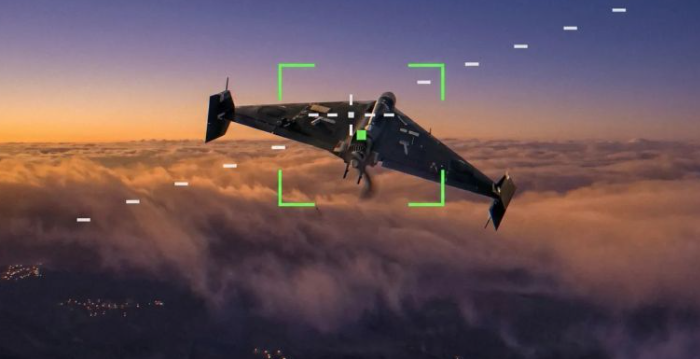
According to Ukrainian military officials, drones are responsible for a significant share of battlefield losses. Small reconnaissance UAVs, FPV attack drones and long-range systems have become essential tools for both sides.
As a result, electronic warfare has moved from a supporting capability to a frontline necessity.
Whenever a Russian drone is shot down, Ukrainian specialists analyze its components, communication systems and operating frequencies. The goal is simple: understand how the enemy works before the next wave arrives.
This cycle of adaptation has become one of the defining characteristics of the conflict.
The Battle of Frequencies
Electronic warfare is no longer limited to traditional jamming.
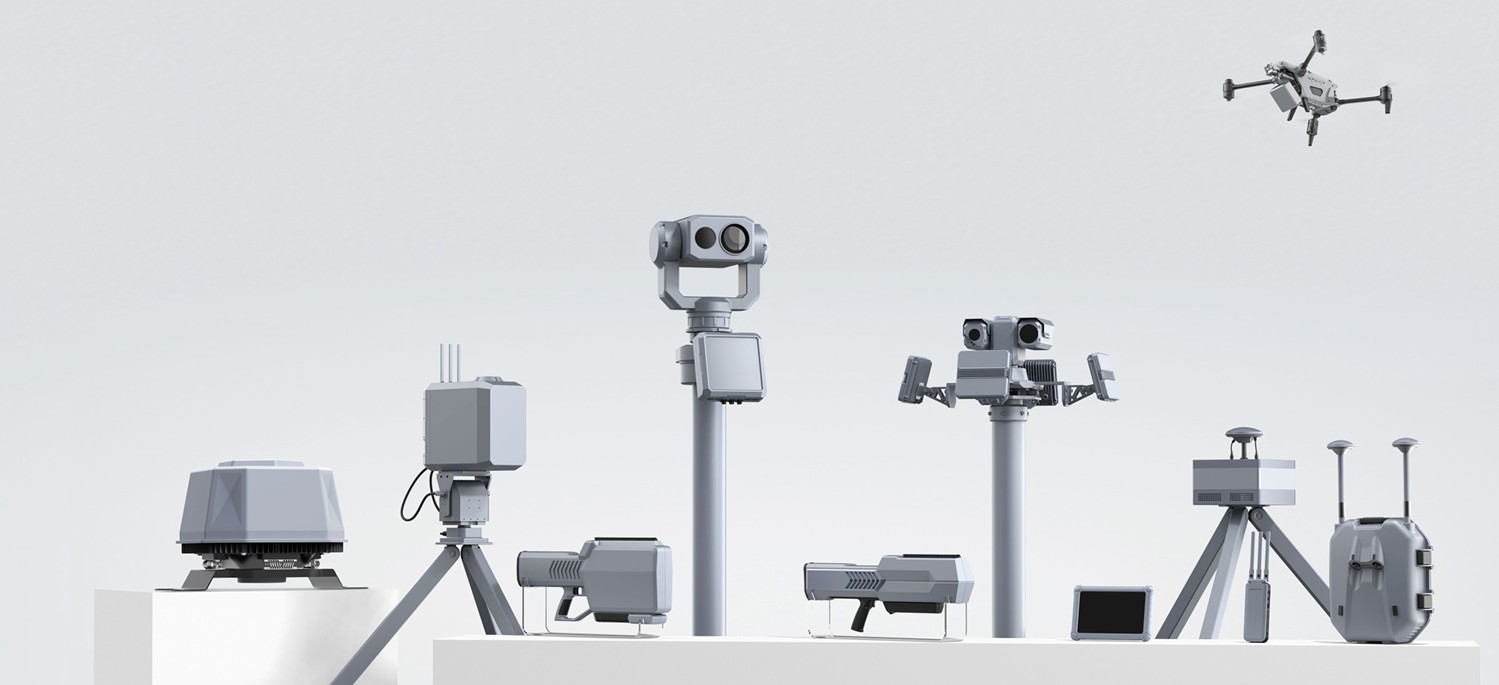
Modern systems involve signal intelligence, direction finding, satellite interference and counter-drone technologies. Ukrainian operators increasingly focus on identifying the source of hostile communications rather than simply destroying drones themselves.
Finding the operator or the ground station can often produce a greater tactical effect than eliminating a single aircraft.
Meanwhile, Russia continuously upgrades its systems with new antennas, signal-processing technologies and increasingly sophisticated anti-jamming capabilities.
Both sides are locked in an endless competition where today's advantage may disappear within a few months.
Even Hypersonic Missiles Are Vulnerable
One of the most remarkable developments has been Ukraine's reported ability to reduce the effectiveness of Russia's Kinzhal hypersonic missile by interfering with satellite navigation signals.
Weapons once considered nearly unstoppable are proving vulnerable to electronic countermeasures.
This demonstrates an important lesson for future conflicts: speed and advanced hardware alone are no longer enough. Information dominance and control of the electromagnetic spectrum are becoming equally important.
A New Type of Battlefield
Military experts increasingly describe the war as multidimensional warfare.
Land, air, cyber and electronic domains are no longer separate environments. They are interconnected parts of the same battle.
Traditional maneuver warfare is giving way to an environment where software updates, radio frequencies and communication networks can have strategic consequences.
Entire sections of the front have evolved into "kill zones" where drones and electronic systems make movement extremely dangerous.
A Wake-Up Call for Western Militaries
The lessons from Ukraine are being closely observed across Europe and NATO.
Experts warn that many Western armed forces have focused primarily on conventional maneuver warfare while underestimating the growing importance of electronic warfare.
The conflict has highlighted the need for faster procurement cycles, greater adaptability and closer cooperation between industry and the military.
The pace of technological change is so rapid that systems can become outdated within a matter of months.
The Invisible Arms Race
The war in Ukraine has shown that future conflicts may be decided not only by firepower but by who controls the electromagnetic spectrum.
Electronic warfare has become an invisible battlefield where engineers, programmers and operators are just as important as soldiers on the front line.
And as technology continues to evolve, one thing is becoming increasingly clear:
The next generation of warfare will be fought with signals as much as with weapons.