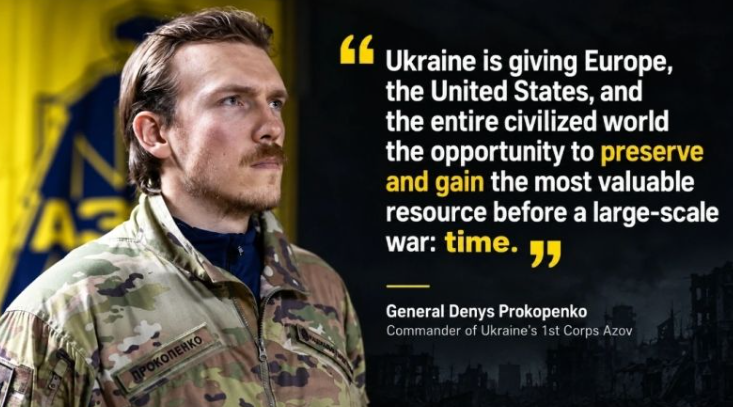
The Ukraine War Has Shattered Military Myths. The Human Soldier Still Wins the Future
For decades, military planners searched for a technological silver bullet.
Stealth aircraft. Precision-guided weapons. Network-centric warfare. Artificial intelligence. Autonomous systems.
Each generation promised to revolutionize combat and render previous doctrines obsolete.
Then came Ukraine.
More than four years into the largest war Europe has witnessed since World War II, one conclusion stands above all others: technology changes warfare, but people still decide it.
The battlefield stretching from Kharkiv to Kherson has become the world's most important military laboratory. Every major army is studying it. Every defense ministry is rewriting assumptions. And nearly every longstanding military certainty has been challenged.
Some lessons are surprising.
Others are deeply uncomfortable.
The first and perhaps most important reality is that professional leadership remains irreplaceable.
Ukraine's ability to survive the initial invasion was not driven by superior numbers or superior firepower. It was driven by decentralized decision-making, initiative, and leadership at the lowest levels. Small-unit leaders adapted faster than their adversaries, exploited opportunities, and maintained cohesion under extraordinary pressure.
The war has demonstrated something military history repeatedly teaches but modern institutions often forget: armies do not fight. People do.
Technology matters only when disciplined, motivated individuals know how to employ it.
And technology is changing everything.
No military innovation has transformed the battlefield more dramatically than the drone.
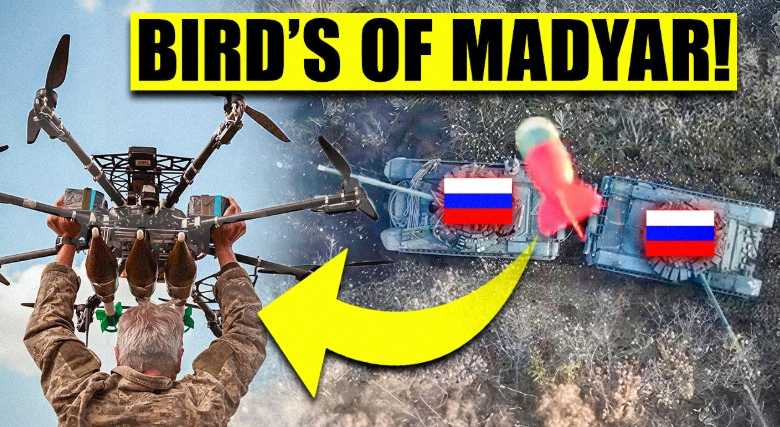
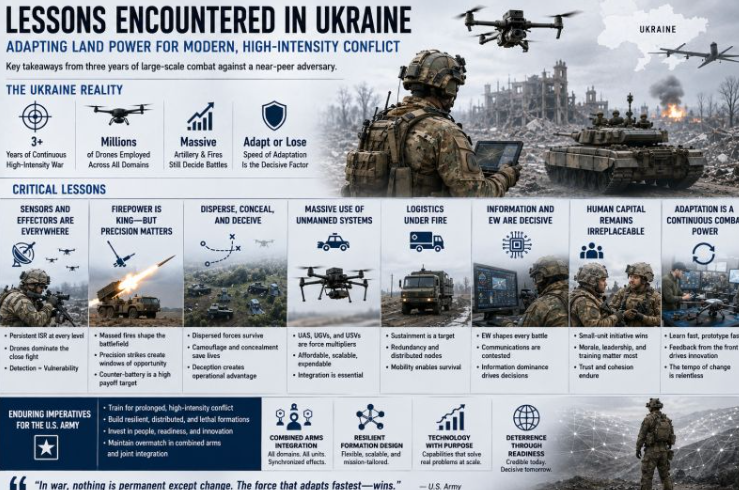
Cheap quadcopters are now finding targets, adjusting artillery fire, conducting reconnaissance, delivering explosives, and hunting armored vehicles worth millions of dollars. First-person-view drones have altered the economics of warfare by allowing relatively inexpensive systems to destroy vastly more expensive assets.
The implications are revolutionary.
For centuries, military advantage belonged primarily to those able to afford sophisticated equipment. Ukraine has demonstrated that innovation, creativity, and adaptability can challenge traditional advantages.
However, the drone revolution creates new vulnerabilities.
The modern battlefield has become saturated with sensors.
Nothing stays hidden for long.
Artillery positions are discovered within minutes. Vehicle concentrations attract attention almost immediately. Troop movements leave digital signatures.
Survival increasingly depends on concealment, mobility, electronic discipline, and speed.
The age of static warfare is ending.
Every position is temporary.
Every emission is detectable.
Every mistake is potentially fatal.
This reality has exposed a dangerous weakness throughout many Western militaries.
Electronic warfare and short-range air defense capabilities have not kept pace with the drone era.
A battlefield filled with thousands of unmanned systems demands entirely new defensive architectures. The force capable of detecting, disrupting, jamming, and destroying drones at scale gains a significant operational advantage.
Ironically, the future may depend as much on defeating drones as building them.
The war has also disproven predictions about the demise of traditional military systems.
Tanks are not obsolete.
Artillery is not obsolete.
Helicopters are not obsolete.
What has become obsolete is employing them as if the battlefield has not changed.
Armor still provides mobility, protection, and shock effect. Artillery remains the king of battle, inflicting the majority of casualties. Aviation continues to deliver decisive operational advantages.
Yet all now exist under constant surveillance from drones and precision munitions.
The lesson is not abandonment.
It is adaptation.
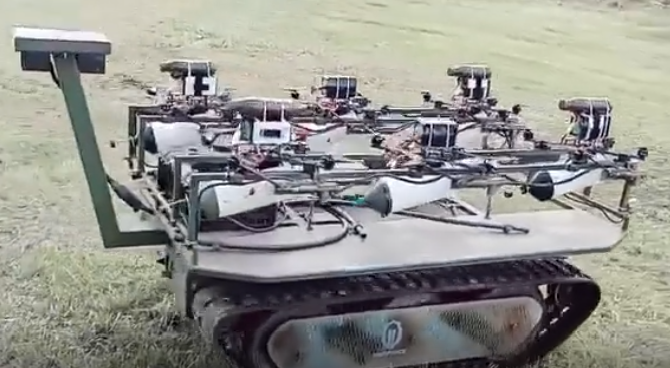
Weapons that once operated independently must increasingly function within an integrated ecosystem of sensors, electronic warfare, air defense, robotics, and intelligence.
Combined arms warfare has become more important, not less.
Another overlooked lesson concerns mobilization.
Modern societies often assume professional standing forces will carry the burden of future wars. Ukraine suggests otherwise.
Large-scale conflicts consume personnel, ammunition, equipment, and resources at astonishing rates. Reserve forces, civilian specialists, engineers, cyber experts, medical personnel, and industrial capacity become as important as frontline combat formations.
Wars are not won solely by armies.
They are won by nations.
Perhaps the most uncomfortable lesson for advanced militaries is that procurement systems remain painfully slow.
Innovation cycles measured in months collide with acquisition processes measured in years.
Meanwhile, battlefield requirements change weekly.
The side able to rapidly integrate commercial technology, modify equipment, and deploy innovations fastest gains a decisive advantage.
Agility is becoming a weapon.
And finally, there is the lesson many technologists prefer not to hear.
Artificial intelligence will change warfare.
Robotics will change warfare.
Autonomous systems will change warfare.
But none of them replace courage.
None replace leadership.
None replace resilience.
The defining image of the Ukraine war may not be a drone, an algorithm, or a robot.
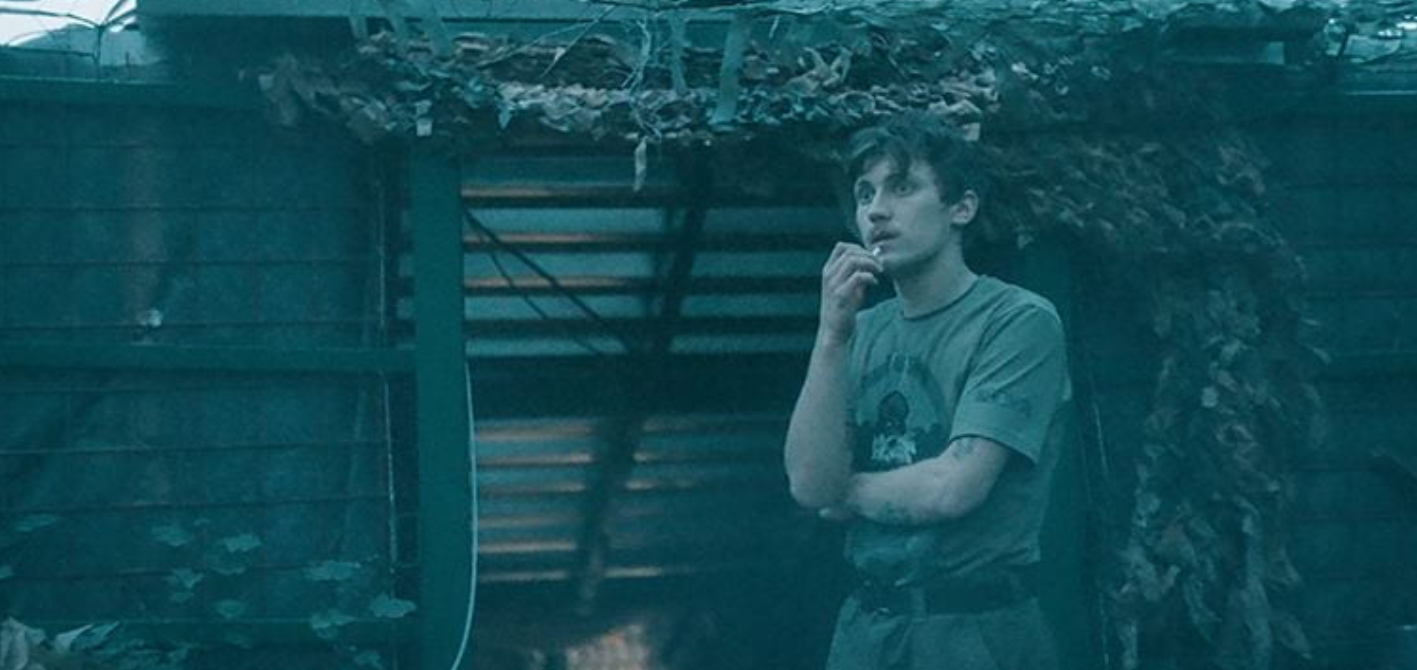
It may be a soldier enduring extraordinary hardship while continuing to fight.
Because amid all the technological disruption, the oldest truth about war remains unchanged.
Machines influence battles.
Humans win them.