The Drone That Hunts Drones. How Ukraine’s Cyclops Is Rewriting Air Defense
For decades, air defense followed a simple rule: expensive threats required expensive solutions.
A cruise missile was intercepted by another missile. Aircraft were countered by sophisticated air-defense systems. The economics were painful, but they made sense in an era dominated by high-value targets.
The age of mass drone warfare has shattered that logic.
Today, militaries face a growing challenge: how do you stop thousands of low-cost drones without bankrupting yourself in the process?
Ukraine believes it may have found part of the answer.
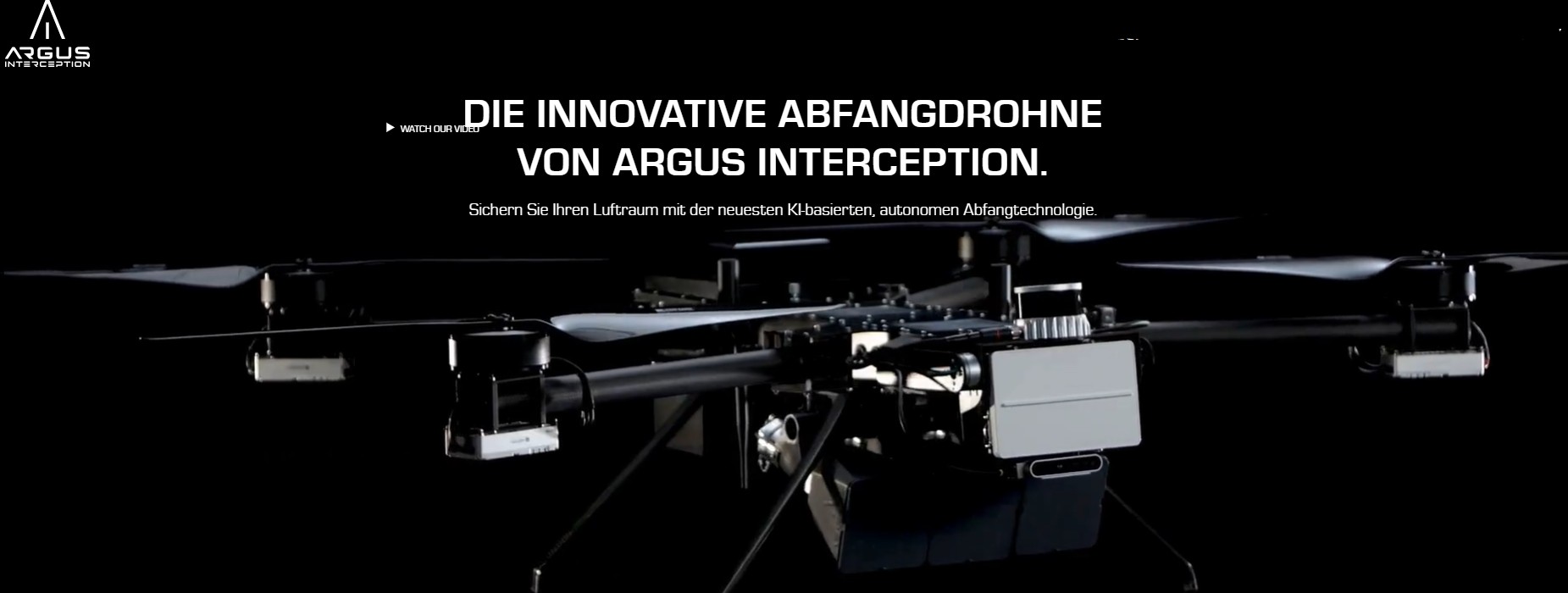
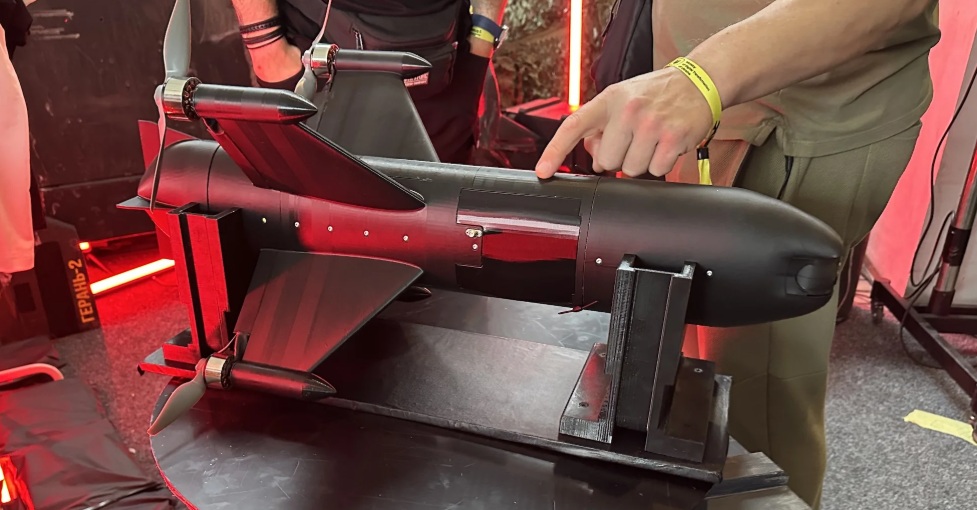
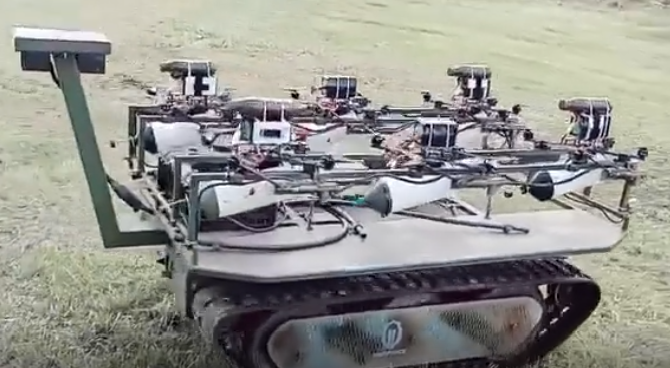
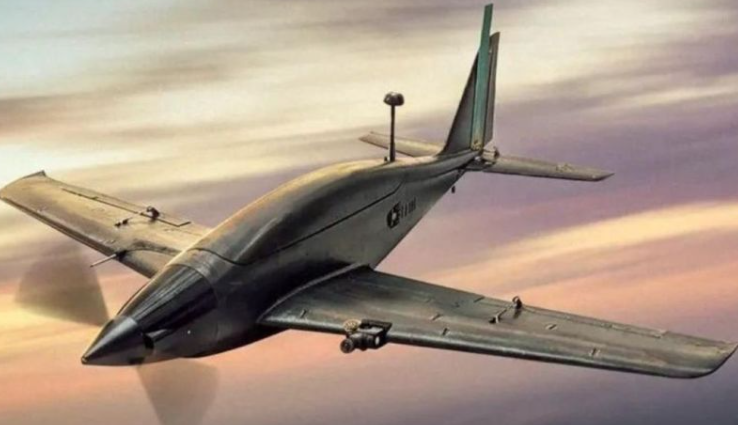
The Ministry of Defence has officially codified the Cyclops interceptor drone, a domestically developed system designed to destroy both aerial and ground targets. According to reported operational results, the Cyclops V2 has already eliminated more than 100 aerial threats, including Russian Shahed attack drones, Orlan reconnaissance drones, ZALA systems, Supercam UAVs, and Lancet loitering munitions.
That achievement represents more than another new military platform.
It signals a profound shift in how modern air defense is evolving.
For years, military planners imagined the future battlefield dominated by increasingly sophisticated missiles and radar systems. Yet the war in Ukraine has produced a different reality. Swarms of relatively inexpensive drones now challenge some of the world's most advanced air-defense networks. Every interceptor missile fired against a low-cost UAV creates an uncomfortable economic equation.
The defender often spends far more than the attacker.
Cyclops aims to change the math.
Instead of relying solely on traditional air-defense systems, Ukraine is deploying a drone specifically built to hunt other drones. It is a combat philosophy based on agility, endurance, and cost efficiency rather than overwhelming firepower.
In essence, it is predator versus predator.
The reported specifications reveal why military observers are paying attention. Compact dimensions enable rapid deployment. High maneuverability allows the system to pursue fast-moving targets. Flight endurance of up to 90 minutes significantly extends operational coverage compared with many conventional interceptor platforms.
Most importantly, it creates another layer in Ukraine's increasingly sophisticated defense architecture.
Modern warfare is becoming a battle of layers.
Long-range missiles defend strategic areas.
Medium-range systems protect critical infrastructure.
Electronic warfare jams enemy signals.
And now interceptor drones like Cyclops can actively hunt threats in the air before they reach their targets.
The result is not merely stronger defense.
It is smarter defense.
The broader significance extends beyond Ukraine.
Military strategists worldwide are watching the conflict closely because it provides a real-world laboratory for the future of warfare. The lessons emerging from Ukrainian skies will influence procurement decisions, defense budgets, and military doctrine for years to come.
One lesson is becoming increasingly clear.
The future of air superiority may not belong exclusively to fighter jets and missile batteries.
It may belong to autonomous or semi-autonomous drone fleets operating at a fraction of the cost.
That possibility carries major implications for countries facing growing drone threats from both state and non-state actors. Critical infrastructure, military bases, energy facilities, transportation hubs, and urban centers are all vulnerable to mass UAV attacks.
Traditional defenses alone may not be sufficient.
Interceptor drones offer something different: scalability.
If attackers can deploy hundreds of drones simultaneously, defenders require countermeasures capable of scaling rapidly and affordably. Systems like Cyclops suggest a path toward achieving that balance.
The symbolism is powerful.
The first years of the drone revolution focused on drones as offensive weapons. From surveillance platforms to kamikaze systems, unmanned aircraft became instruments of attack.
Cyclops represents the next chapter.
Drones are no longer just hunters.
They are becoming guardians.
Every technological revolution creates its own counter-revolution. The emergence of interceptor drones may prove to be exactly that: a response to a battlefield saturated with unmanned threats.
The race is no longer simply about who can build more drones.
It is about who can build the better drone hunter.
And if the success of Cyclops continues, the future of air defense may be taking shape not inside missile silos or command bunkers, but in the rotors and sensors of a small Ukrainian aircraft designed to chase danger out of the sky.