The 16-Year-Old Ukrainian Who Refused to Watch the War from the Sidelines
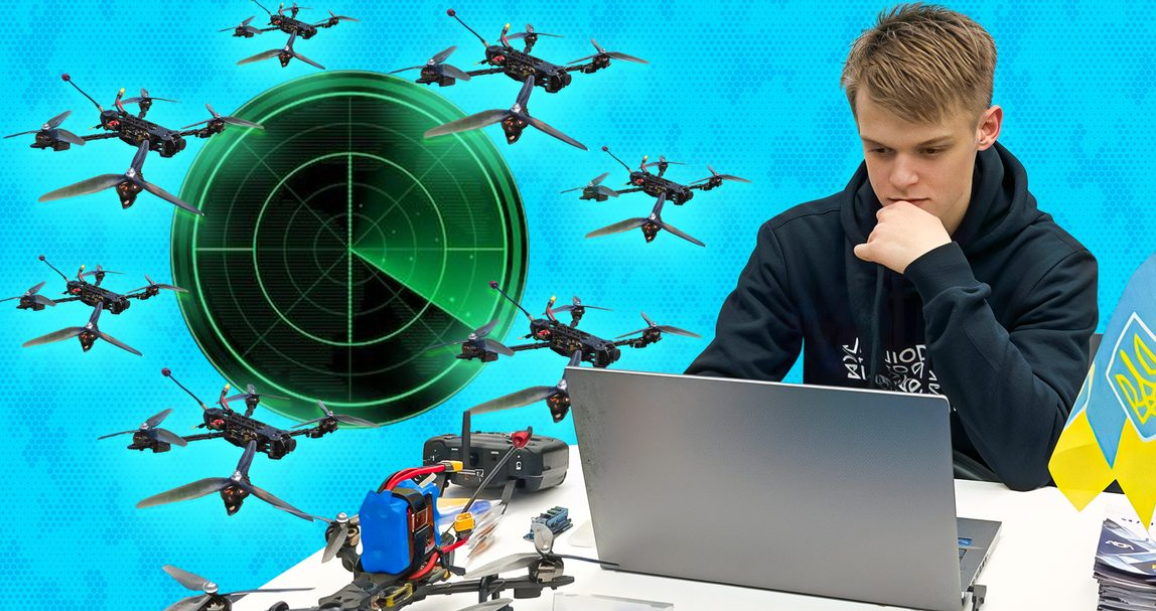
While most teenagers are thinking about exams, social media, or what university they might attend, 16-year-old Vadym Dobrovolskyi from the Kyiv region has spent the last few years confronting a far bigger question:
How do you help your country survive a war?
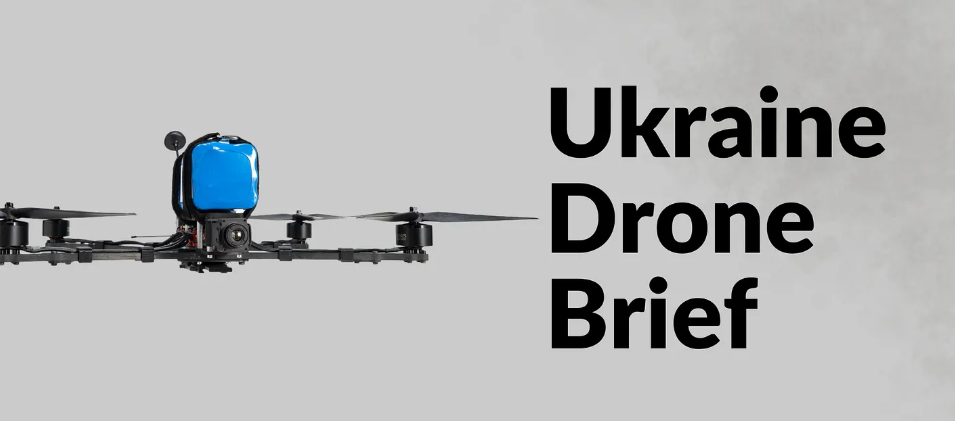
The answer became PhAInix, a startup that aims to protect drones from electronic warfare. And whether it ultimately succeeds at scale or not, the story behind it reveals something remarkable about Ukraine's youngest generation: they are not waiting to inherit the future. They are building it.
Vadym's journey began long before anyone had heard of PhAInix. Fascinated by electronics from the age of six, he spent years experimenting, building, and learning. For many children, LEGO is just a toy. For Vadym, it became an entry point into engineering, design, and innovation.
Then war changed everything.
When Russia launched its aggression against Ukraine in 2014, the boy began imagining ways technology could contribute to defense. The full-scale invasion transformed those thoughts into a mission. His father, a drone operator serving in Ukraine's military, became both an inspiration and a direct connection to the realities of modern warfare.
Suddenly, engineering was no longer a hobby.
It was personal.
The battlefield of the 21st century is often invisible. Electronic warfare systems jam communications, disrupt GPS signals, and can turn advanced drones into expensive pieces of falling metal. In a conflict where drones have become one of the most important tactical tools, losing communication can mean losing intelligence, equipment, and sometimes lives.
Vadym saw the problem firsthand.
His solution was PhAInix.
Built around compact computing platforms and a custom-designed control system, the device is intended to help drones maintain operational capability when communication channels are disrupted. According to the young inventor, the system can rapidly switch between multiple communication frequencies when interference is detected and contains backup stabilization logic designed to keep a drone airborne until communication is restored.
The name itself carries symbolic weight.
Like the mythical Phoenix rising from the ashes, PhAInix combines the idea of rebirth with artificial intelligence, representing resilience in the face of destruction.
What makes the story especially striking is not merely the technology.
It is the age of the person behind it.
Innovation stories are often dominated by well-funded startups, experienced founders, and elite laboratories. Vadym's workshop was different. A high school student worked on the project largely independently, supported by family members, volunteers, and mentors. More than $2,000 was invested in development, much of it from personal funds and supporters who believed in the idea.
That level of dedication is difficult enough for seasoned entrepreneurs. For a teenager, it is extraordinary.
Yet perhaps the most provocative aspect of this story is the contrast it exposes.
Around the world, governments spend billions developing technologies for security and defense. Meanwhile, in Ukraine, teenagers are designing solutions from bedrooms, classrooms, garages, and local innovation hubs because necessity leaves them little choice.
This is not how innovation is supposed to happen.
But history rarely asks permission.
Today, PhAInix has earned recognition in startup competitions, attracted interest from potential buyers, and moved beyond the concept stage. Vadym's next ambition is to assemble a larger team, secure intellectual property protection, and bring the technology into broader production.
Whether PhAInix eventually becomes a global success or remains a remarkable wartime innovation, its creator has already achieved something significant.
He challenged the assumption that youth equals helplessness.
In a world often eager to underestimate young people, Vadym Dobrovolskyi represents a generation shaped by adversity, accelerated by necessity, and motivated by purpose.
His invention was born because his father went to war.
His startup exists because he believed technology could protect lives.
And his story reminds us that sometimes the most important innovations are not created by experts in boardrooms.
Sometimes they are created by teenagers who simply refuse to stand by and do nothing.