T-MOTOR A Series X-A16. Who Will Power the Low-Altitude Economy - and Who Will Be Left on the Ground?
Everyone talks about the low-altitude economy.
Few talk about what actually makes it possible.
Cargo drones. Aerial logistics. Emergency response. Infrastructure inspection. Urban air mobility at low altitude. The vision is bold. The market is coming fast. But here’s the uncomfortable question no one wants to answer:
What happens when drones can’t lift what the mission demands — efficiently, reliably, and repeatedly?
Because the future of low-altitude flight won’t be decided by concepts or policy papers. It will be decided by propulsion.
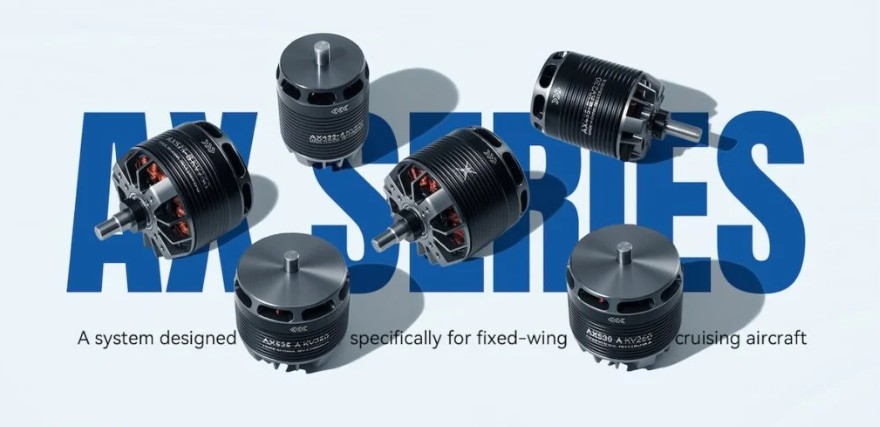
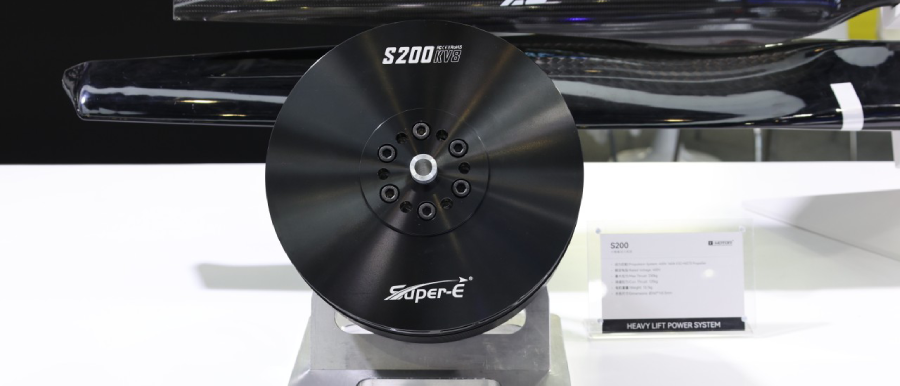
That’s where T-MOTOR’s A Series, including the X-A16 propulsion system, enters the conversation — not as another motor line, but as a response to a growing reality: payload requirements are rising faster than propulsion efficiency.
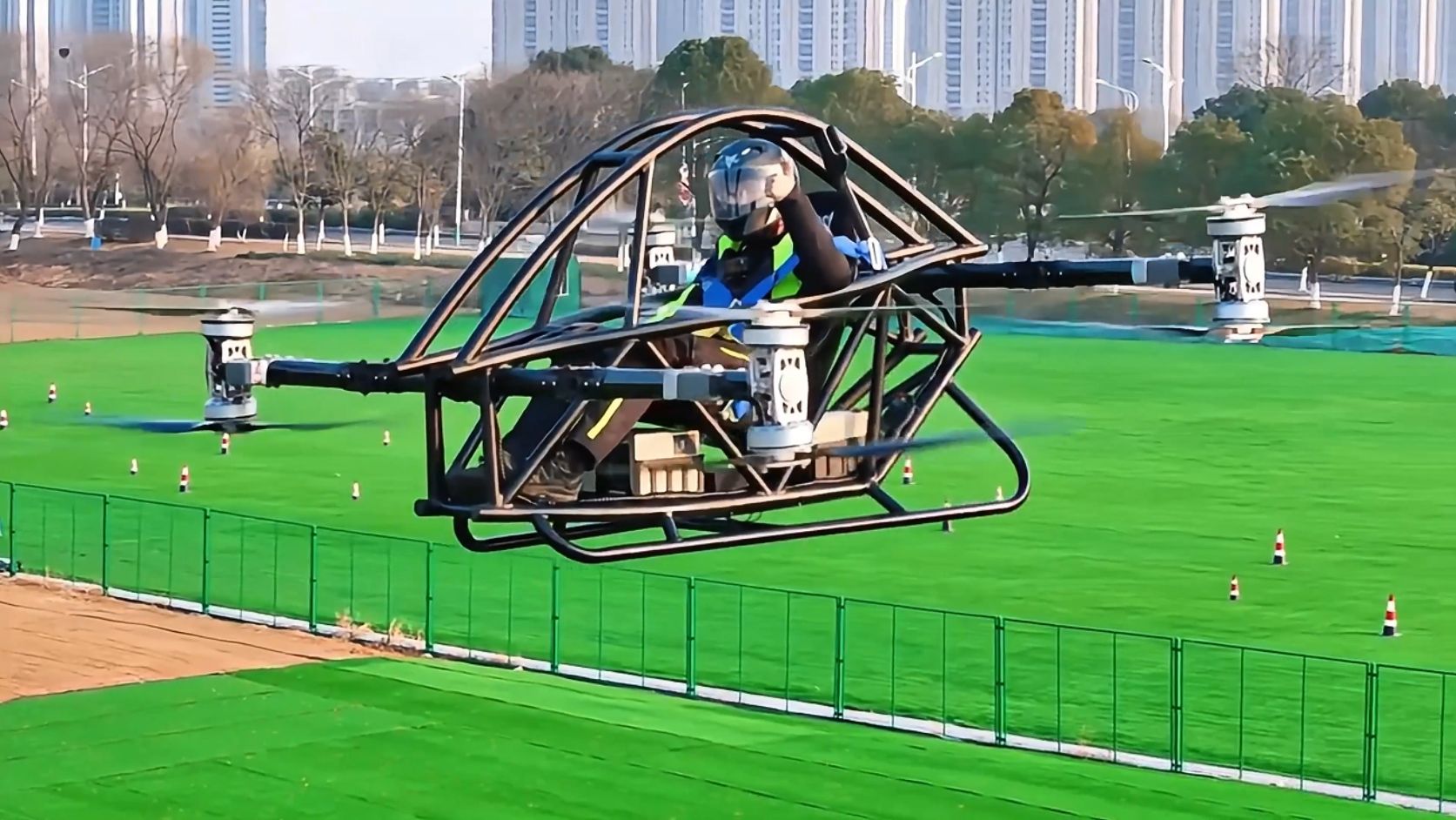
The A Series motors were developed specifically to meet high-payload demands. Not theoretical demands. Real ones. They have already demonstrated strong performance in test flights across multiple heavy-lift drone platforms — where endurance, thermal stability, and efficiency matter far more than peak specs.
Ask yourself: how many propulsion systems look impressive on a datasheet but struggle once weight, altitude, and mission duration collide?
Heavy-lift operations expose weaknesses quickly. Motors overheat. Efficiency collapses. Power reserves disappear faster than expected. And suddenly, the economics no longer work.
The X-A16 is designed with a different assumption: low-altitude flight must be economical to scale. That means stable output under load. That means efficiency at operating RPMs — not just at maximum thrust. And that means reliability across long duty cycles, not just short demonstrations.
This is what “assisted low-altitude economy flight” actually implies.
Low-altitude airspace is crowded, regulated, and unforgiving. Missions are repetitive. Margins are thin. Downtime is expensive. In this environment, propulsion systems aren’t just components — they’re cost centers or cost savers.
T-MOTOR’s A Series acknowledges this reality. The motors are engineered to support sustained heavy-payload operations while maintaining efficiency that makes missions viable beyond pilots and prototypes.
So here’s the bigger question:
Who will build drones that can actually support the low-altitude economy — and who will build drones that look promising but never scale?
Because scaling isn’t about maximum thrust. It’s about consistency. It’s about being able to fly the same mission tomorrow, next week, and next year without performance degradation or rising maintenance costs.
Test flights of heavy-lift models have already shown that the A Series motors can deliver where it counts — in controlled power output, dependable performance, and adaptability across different platforms.
And that matters, because the low-altitude economy isn’t waiting.
Logistics operators want predictable lift.
Emergency services want dependable response.
Infrastructure operators want efficiency, not experimentation.
All of them depend on propulsion systems that don’t fail quietly after the first phase of testing.
T-MOTOR’s message is clear: the future of low-altitude flight won’t be built alone. The company signals its intention to participate in projects shaping this new economy — not by promising disruption, but by delivering the fundamentals that make disruption possible.
Because without the right motors, there is no low-altitude economy.
Only grounded ambitions.
And the next wave of aerial operations will reward those who chose propulsion wisely.