From Startup to Strike Capability - How STARK DEFENSE Unicorn Are Redefining Europe’s Defense Economy
1. From Apps to Arsenal
For years, Europe’s startup ecosystem chased familiar ambitions: fintech disruption, AI automation, mobility platforms, and consumer apps designed to simplify daily life. Today, a different type of company is rising to the top of investment charts - defense technology startups building systems designed not for convenience, but for conflict.
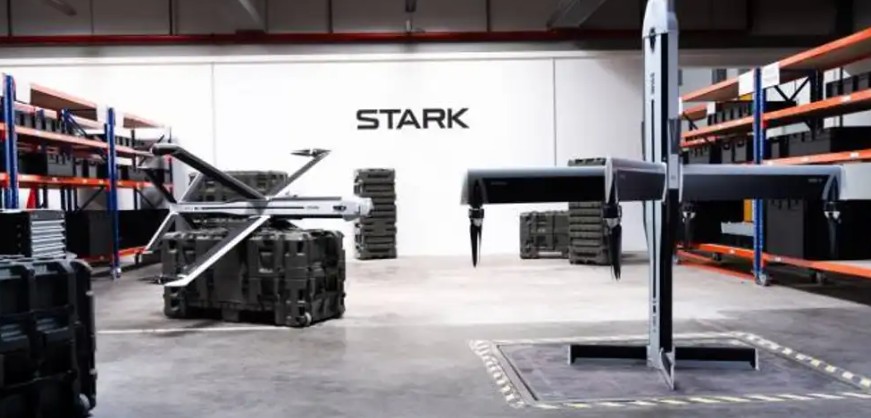
The rapid ascent of Germany’s Stark Defence, reportedly reaching unicorn status through its focus on loitering munitions and autonomous strike systems, marks a turning point. The story is bigger than one company. It signals a transformation across Europe where venture capital, geopolitics, and battlefield realities increasingly collide.
2. The Cultural Shift in European Tech
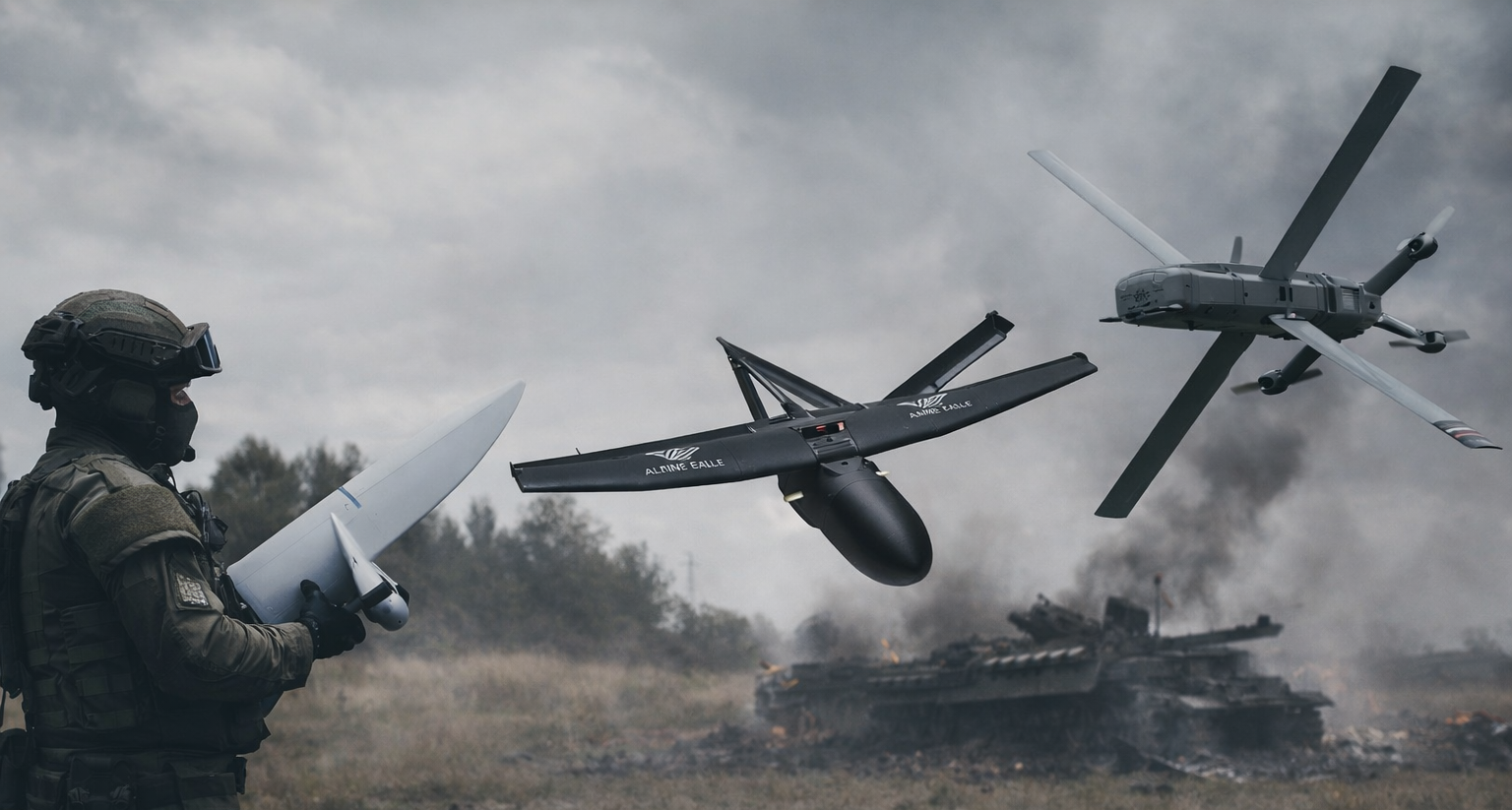
The rise of drone warfare has changed how military power is measured. Recent conflicts have shown that relatively low-cost unmanned systems can destroy assets worth hundreds of millions. The lesson for investors and policymakers is blunt: agility and scalability may matter more than legacy platforms.
This shift also reflects changing attitudes within Europe’s startup culture. Defense technology was once seen as a reputational risk. Some entrepreneurs reportedly had to establish separate ventures because investors refused to fund weapons-related development. That reluctance is fading rapidly. Since Russia’s invasion of Ukraine, defense has increasingly been reframed not as controversial, but as a strategic necessity tied to sovereignty and resilience.
3. Capital Follows Conflict
One of the most provocative aspects of this transformation is who is funding it. High-profile investors connected to US tech capitalism have entered Europe’s defense-tech ecosystem alongside European backers. Their involvement signals that this is no niche experiment but a structural market shift.
Investors now see defense drones as a growth sector fueled by three dynamics:
- expanding European defense budgets,
- faster procurement cycles,
- and battlefield lessons that reward rapid innovation.
In this context, companies like Stark become case studies in how conflict reshapes innovation priorities. War, once seen as external to startup ecosystems, now directly influences investment flows.
4. Government Demand Drives Valuation
Behind the headlines and valuations lies a simple reality: governments remain the core customers. Expected state procurement plays a critical role in driving investor confidence. As European countries modernize military capabilities, startups that can deliver quickly attract both public contracts and private capital.
This creates a new feedback loop. Public defense spending attracts venture funding, which accelerates technological development, which in turn shapes military doctrine. The traditional model - governments defining technical specifications years in advance - is being challenged. Increasingly, startups innovate first, and defense institutions adapt their strategies to what companies can rapidly deploy.
5. The Ethical and Strategic Tension
The rise of drone unicorns is not without controversy. The growth of one-way or “disposable” drones raises difficult ethical questions about autonomy and the normalization of lethal technologies.
Critics warn about the rapid militarization of civilian tech ecosystems and the language of disruption being applied to warfare. Startup culture rewards speed and risk-taking. Defense demands reliability, accountability, and long-term oversight. Can these worlds coexist without compromising one another?
There is also a concern that innovation incentives tied to conflict could shift priorities in unsettling ways, making warfare itself a driver of economic growth.
6. A Broader Industrial Transformation
Beyond individual companies, a larger industrial shift is underway. Europe is trying to reduce dependence on non-European suppliers while accelerating strategic autonomy. Tech founders are entering sectors once dominated by traditional defense contractors, and procurement timelines increasingly resemble software development cycles.
Some analysts describe this as the “Silicon Valley-ification of defense.” Engineers who might once have built social media platforms now design systems for contested environments. AI, software integration, and rapid iteration are becoming central pillars of military capability.
7. The Provocative Takeaway
The real story is not simply that a German drone company reached unicorn status. It is that the boundaries between startup culture, venture capital, and military power are dissolving.
Europe’s tech scene once focused on apps and e-commerce. Now, some of its most valuable startups are designing weapons systems. The question left hanging is uncomfortable but unavoidable:
Are we witnessing necessary strategic modernization - or the emergence of an innovation ecosystem where conflict becomes the most powerful growth market?
One thing is clear: the defense unicorn is no longer an anomaly. It may be the blueprint for Europe’s next industrial era.

.jpg)