Spain is betting on BVLOS, SAIL III and iConspicuity to make UAS a normal airspace user
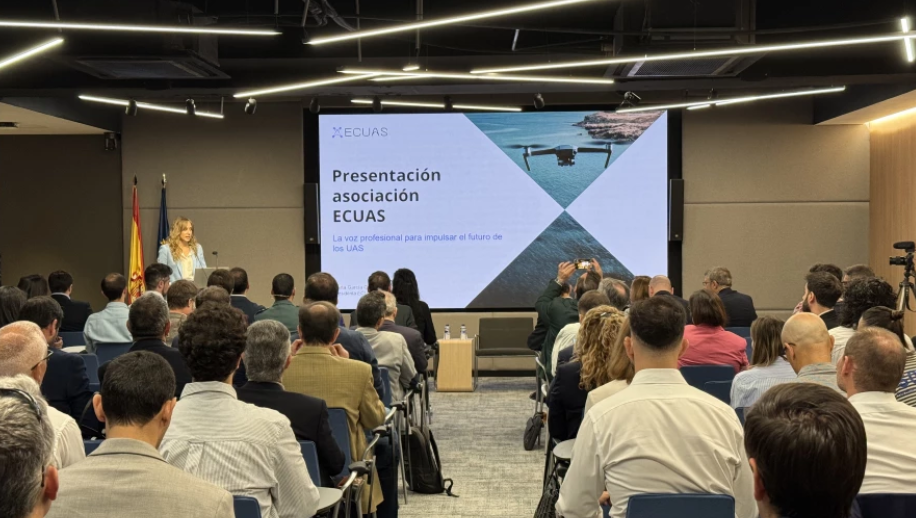
For years, drones have lived in a regulatory sandbox—limited to visual line‑of‑sight flights, segregated airspace, and carefully fenced‑off test zones. That era is ending. According to Spain’s aviation safety authority AESA, the future of unmanned aviation depends on one thing: full integration into a collaborative airspace, where crewed and uncrewed aircraft coexist safely and routinely.
That future is now moving closer, driven by a mix of regulatory evolution, technological maturity, and real‑world experimentation.
Beyond line of sight: turning rules into reality
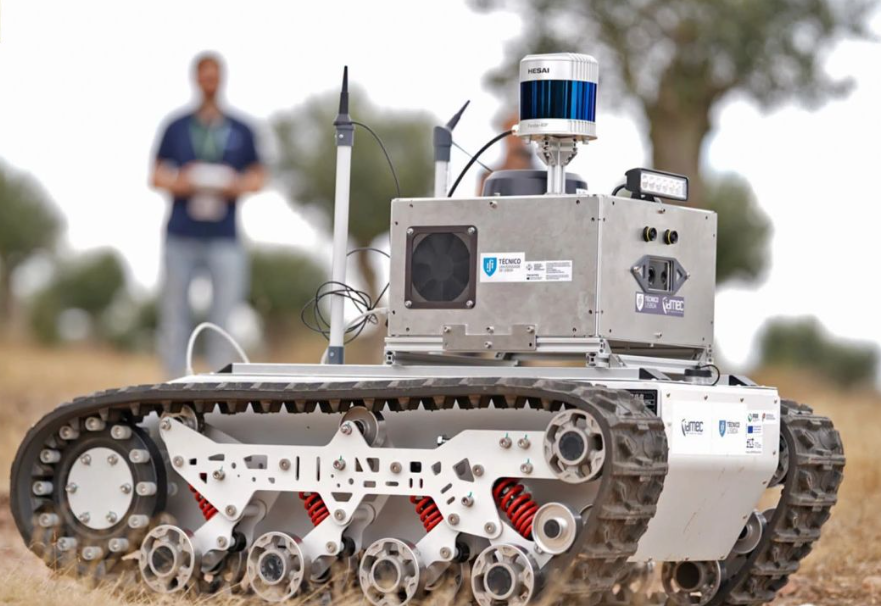
One of the most decisive shifts comes from BVLOS operations outside segregated airspace. These missions—long promised, rarely delivered—are becoming a near‑term reality thanks to extensive pilot projects authorized during 2025. From medical transport between hospitals to high‑altitude pseudo‑satellites (HAPS) and remote piloting, these tests are doing what regulations alone cannot: exposing risk models, procedures, and technologies to operational stress.
The value of these projects lies not in theoretical compliance, but in validation. They allow regulators to see how mitigations behave in real environments, how procedures scale, and where assumptions fail. In practice, they shorten the distance between regulation and deployment—something the drone sector has struggled with for more than a decade.
Just as importantly, these pilots build confidence. They demonstrate that complex UAS operations can be both viable and safe, accelerating adoption and enabling new business models. In that sense, regulation becomes not a brake, but a catalyst.
SAIL III: when drones enter populated areas
A major regulatory milestone is the publication of Means of Compliance for SAIL III operations. This framework opens the door to medium‑sized drones operating over populated areas—a leap forward that comes with significantly higher safety and reliability requirements.
For manufacturers, the message is blunt: flying is no longer enough. Platforms must meet stricter standards for system redundancy, fault management, reliability, and component certification. The risk to third parties in urban environments changes the equation entirely.
Operators face similar pressure. Operational discipline, training, and risk management must reach levels comparable to crewed aviation. SAIL III does not lower the bar—it moves it.
But with higher requirements come higher rewards. Urban BVLOS operations unlock use cases that were previously out of reach: logistics, surveillance, infrastructure inspection, emergency response. It is where drone economics finally begin to scale.
The missing link: iConspicuity and a shared sky
Looking ahead to 2026–2027, AESA is clear about priorities. The goal is not just more drones—but a shared airspace model where all users, crewed and uncrewed, are visible to each other.
Here, iConspicuity technologies play a central role. By making aircraft electronically visible in real time, they enhance situational awareness and reduce collision risk. In a mixed environment, see‑and‑avoid must become sense‑and‑be‑seen.
At the same time, authorities are pushing to expand BVLOS beyond segregated zones, provided safety levels remain equivalent to those of traditional aviation. This requires parallel progress in regulation, operational validation, and technology deployment.
Europe, harmonisation, and scale
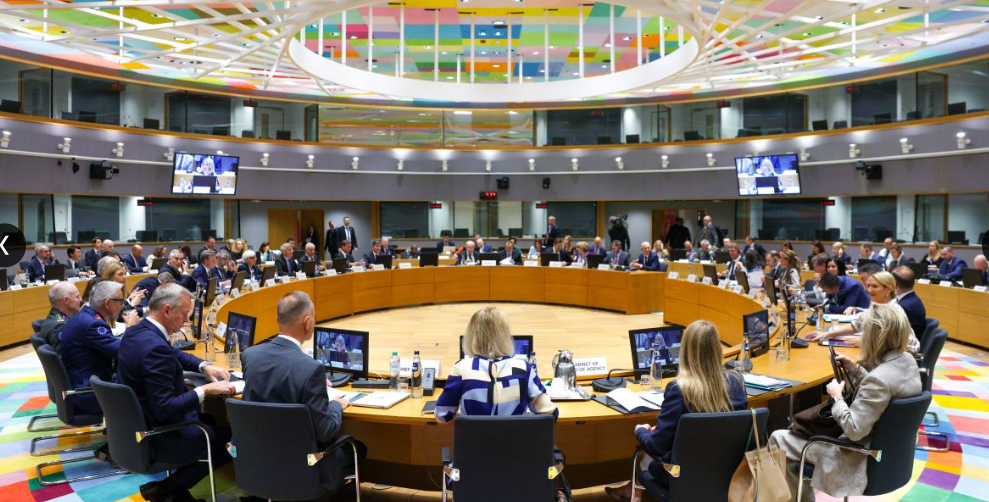
None of this works in isolation. AESA emphasizes collaboration with European bodies and industry to align standards and enable cross‑border scalability. Efforts such as SORA 3.0 and the evolution of U‑space frameworks aim to reduce fragmentation and allow operators to scale at a continental level—without reinventing compliance in every country.
Spain will also continue deploying pilot zones between 2026 and 2027, where advanced operations can be tested under real conditions. These environments function as living laboratories for procedures, coordination models, and technology stacks.
The real shift
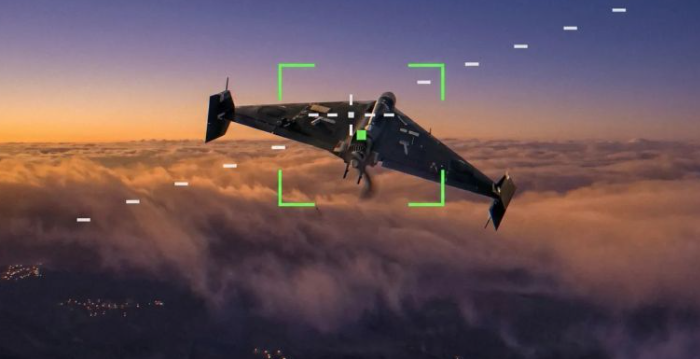
What emerges is a clear signal: drones are no longer being shaped as exceptional airspace users. They are being prepared to become ordinary participants in a shared sky.
Integration—not segregation—is the endgame. And for the UAS sector, that may be the most disruptive change of all.