Skydio Drone-as-First-Responder Program is Live in USA. Is it worth?
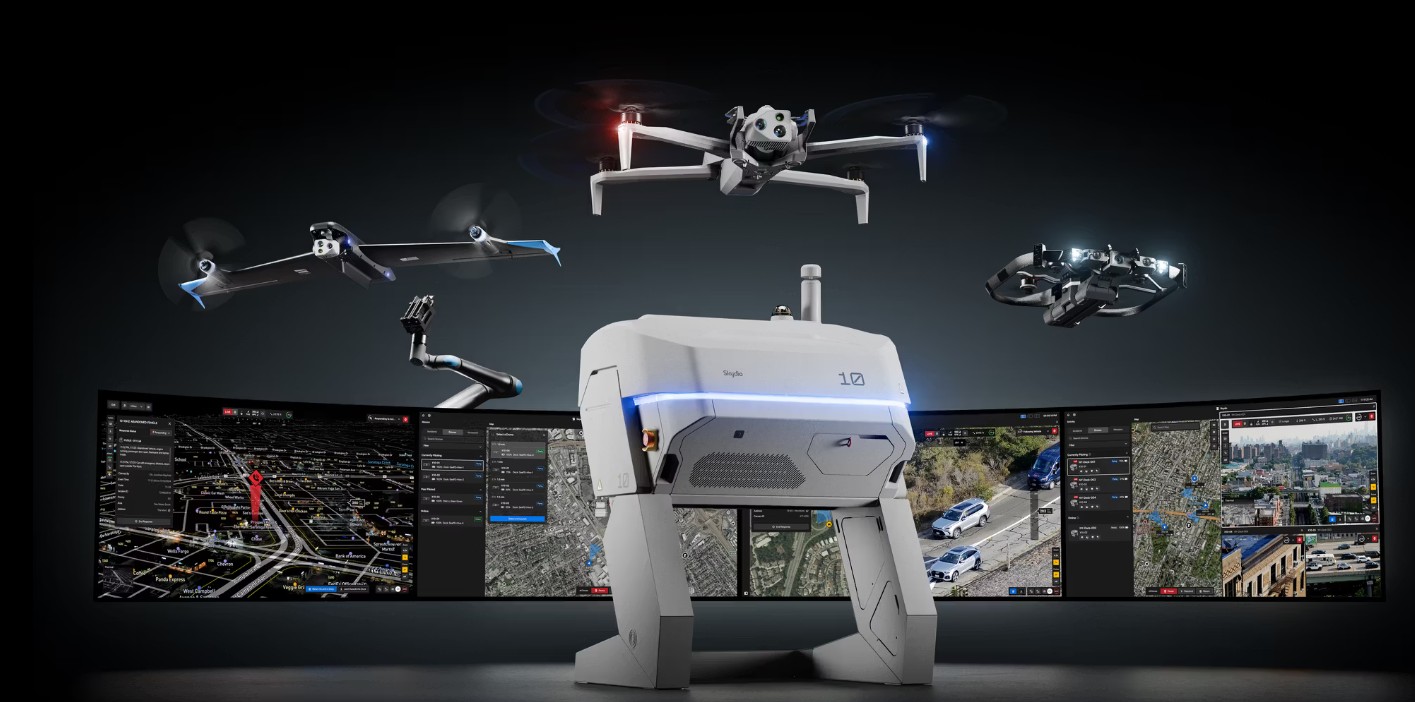
Imagine this: a 911 call comes in. Before officers even start their engines, a drone is already airborne, streaming live video to dispatch and patrol units. No manual data entry. No extra screens. No delays. The aerial response begins almost instantly.
This isn’t a futuristic concept anymore - it’s the promise behind the fast-growing Drone as First Responder (DFR) model, where integrated systems collapse the gap between emergency calls and situational awareness. The provocative question isn’t whether drones belong in public safety. It’s whether human-first response itself is becoming obsolete.
At the core of the model is integration. Rather than forcing agencies to adopt entirely new workflows, DFR systems pull live dispatch events directly into a shared operational map, allowing operators to launch the nearest drone in seconds. In many deployments, drones can be airborne almost immediately and arrive at incidents before officers reach the scene.
That level of speed changes the calculus of policing and emergency management. Traditionally, information arrives in fragments: dispatcher notes, radio chatter, incomplete witness accounts. By the time officers arrive, the situation may already have changed. Drones invert that timeline. First responders can now receive live aerial intelligence before they arrive, potentially reducing blind entries, increasing safety, and improving coordination.
Supporters describe this as a revolution in situational awareness. Faster response times, better decision-making, and the ability to clear certain calls without deploying officers are among the promised benefits. In theory, drones act as force multipliers, helping agencies handle more incidents while reducing risk to both officers and civilians.
But the deeper story is not about drones. It is about automation creeping into decision-making.
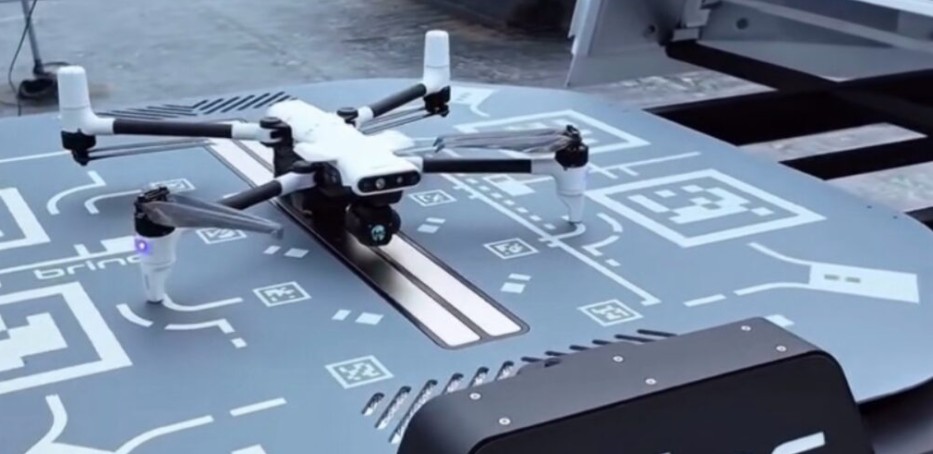
The DFR model often relies on strategically placed drone docks across cities, with aircraft charged and ready around the clock. When integrated with dispatch systems, operators can launch drones the moment a call appears. In effect, software workflows and automated positioning begin shaping operational response at the very first moment of crisis.
For advocates, this removes friction and saves lives. For critics, it raises uncomfortable questions: who controls the aerial perspective? How transparent are deployment decisions? And what happens when surveillance arrives before human judgment?
Technology providers emphasize that these systems are designed to fit existing workflows rather than replace them. Yet the optics are powerful. When drones become the “first eyes on scene,” the psychological center of command shifts from ground officers to remote operators and data-driven interfaces.
This evolution mirrors broader shifts in modern security strategy. Across military and civilian contexts, low-cost autonomous systems increasingly challenge traditional models built around expensive, human-intensive platforms. Speed, scale, and persistent awareness are becoming more valuable than physical presence alone.
The implications extend beyond policing. Fire services, disaster response teams, and search-and-rescue operations are experimenting with similar approaches. Persistent aerial awareness could soon become as standard as patrol cars or ambulances. The line between emergency response and continuous monitoring may grow thinner - and that tension will define public debate.
The challenge, inevitably, is trust.
Communities already wary of surveillance technology may question drones arriving overhead before officers even speak to witnesses. While agencies emphasize transparency and accountability, public acceptance will depend on clear rules, oversight, and visible safeguards against misuse.
Yet it is hard to ignore the momentum. In a world where seconds can determine outcomes, a system that delivers an immediate aerial perspective is deeply compelling. The promise of preventing escalation and improving safety carries political and operational weight.
The provocative reality is this: DFR programs are not merely adding drones to policing - they are redefining what it means to respond. The first responder may no longer be a person stepping out of a vehicle, but a machine arriving silently overhead, feeding data into a growing ecosystem of real-time intelligence.
Whether that future represents progress or overreach will depend on how cities balance innovation with civil liberties and community trust.
One thing is clear: the era of delayed situational awareness is ending. And the sky, increasingly, is becoming the first point of contact.