A $775,000 Experiment Fell Out of the Sky - Illusion of “Safe” Police Drones
When a police drone falls out of the sky and crashes in front of someone’s home, the first question should not be “Was anyone hurt?”
It should be - why was this allowed to happen at all?
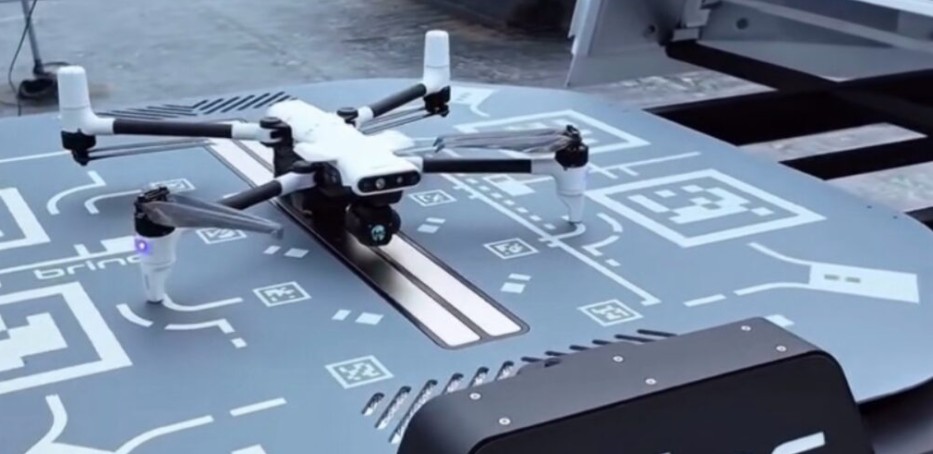
In July 2025, a BRINC drone operated by the Taylor Police Department suddenly lost power during a flight and crashed onto a residential street. This happened while police were responding to an emergency call. The drone was part of a $775,000, five-year Drone First Responder (DFR) program. The program was promoted as a faster, safer, and more efficient way to police the city.
Instead, the drone became a warning sign. It did not land safely. It did not return to base. It was found after a resident called 911 to report a crashed police drone lying in the road.
Police records obtained through a Freedom of Information Act request show that the drone launched with no visible problems. The battery was at 99 percent. GPS was locked. LTE connection was active. The weather was clear, with light winds.
About one to two minutes into the flight, everything failed. Video feed was lost. LTE connection dropped. The drone did not return to its launch point. Then it lost power completely and fell.
Later, the manufacturer said the cause was a battery communication fault. This fault caused the battery to reset in mid-air, cutting power instantly.
After the crash, officials moved to calm the public.
Lt. Jeff Adamisin spoke about transparency and safety. The entire drone fleet was grounded. Emergency parachute systems were added. Flights later resumed. Trust was said to be restored - at least on paper.
But this was not just a rare technical glitch. The crash exposed a bigger problem in how public agencies adopt new technology.
The Drone First Responder idea sounds impressive. In Taylor, drones can launch in about 30 seconds and reach 96 percent of the city. The city became the first in Michigan to operate a full DFR program, working with the FAA and Detroit Metro Airport. These facts look great in press releases.
None of that changes the core issue. A single battery failure turned a police drone into a falling object above homes and streets.
Before this crash, the drones did not have parachutes.
That alone should worry taxpayers.
If a $775,000 program flying over people needed a crash to justify basic safety systems, then the risk planning was already broken. Parachutes are not optional extras. In urban drone operations, they should be standard.
Supporters will say no one was hurt and nothing was damaged. That is true. It is also beside the point. Public safety cannot rely on luck. Just because no one was harmed does not mean the system was safe.

.png)