Sentrycs - The Sky Isn’t Neutral Anymore and Why the War on Rogue Drones Is Just Beginning

Look up. That small dot hovering over a private estate, a stadium, or critical infrastructure is no longer just a curiosity—it’s a challenge. A legal one. A strategic one. And increasingly, a reputational one. The rise of rogue drones has quietly redrawn the boundaries of security, pushing companies into a complex battlefield where the wrong response is often worse than no response at all.
For years, the instinctive reaction to unauthorized drones was simple: stop them. But the truth? Most of the “obvious” solutions—especially jamming—are either illegal, operationally risky, or both. Private security firms quickly discover that controlling the sky is not the same as controlling the ground.
At the heart of this dilemma lies a critical trade-off: detection versus interference. Passive monitoring technologies allow operators to track drones, assess risks, and maintain legal compliance. They are safe, predictable, and regulator-approved. But they don’t stop the drone. They observe it.
And in a world where drones can carry cameras, sensors—or worse—that’s often not enough.
So the temptation grows. What if you could just disrupt the signal? Jam it, and the drone disappears from the equation. It sounds decisive. Efficient. Even powerful. But reality intervenes quickly. Radio-frequency jamming doesn’t just affect the drone—it creates collateral disruption. Cellular networks falter. GPS signals vanish. Emergency communication channels can be compromised.
In other words: you may stop the drone, but you’ll also bring down the neighborhood.
This is not simply a technical problem—it’s a legal minefield. In most jurisdictions, interference with communication signals is strictly regulated or outright prohibited. What feels like proactive defense can instantly turn into liability exposure. Shut down a drone above the wrong location—a hospital, an airport, an urban intersection—and the consequences extend far beyond security operations.
The industry is beginning to realize that heavy-handed solutions belong to a different era. Precision, not force, is the new currency of airspace control.
Enter protocol manipulation—the quiet disruptor reshaping counter-drone strategy. Instead of blasting the airwaves, this approach speaks directly to the drone in its own language. It identifies communication patterns, mimics control signals, and safely redirects the device. The result? A controlled landing rather than chaotic disruption.
From a compliance perspective, it’s a breakthrough. From an operational standpoint, it’s a shift in mindset. This isn’t about overpowering the drone—it’s about outsmarting it.
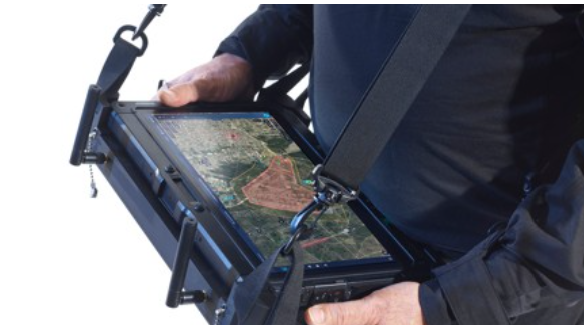
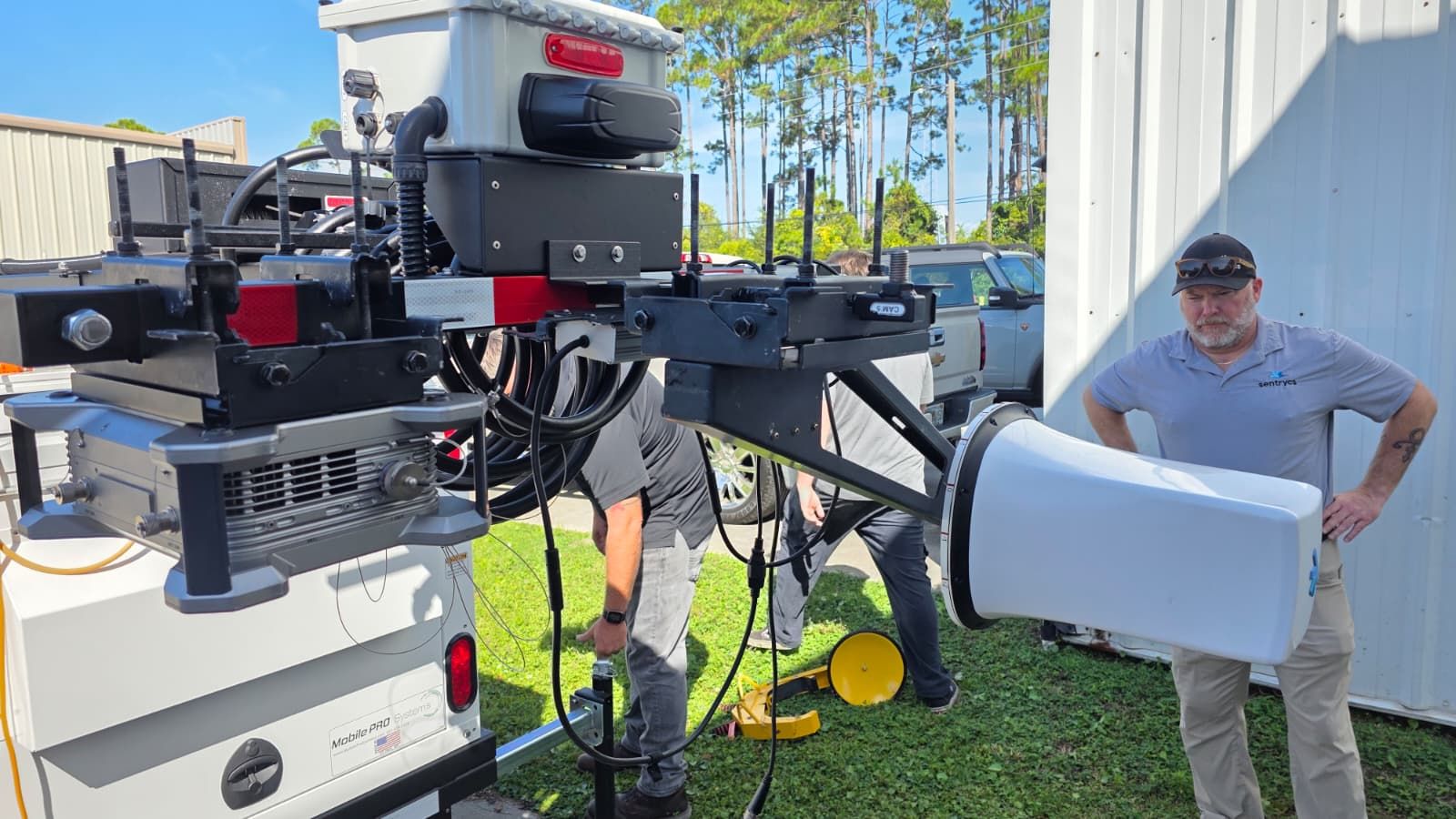
Yet even the most advanced tools are only as effective as the system they’re embedded in. The real evolution is happening at the architectural level. Single-solution defenses are giving way to multi-layered counter‑UAS systems—where radar detection, optical verification, and RF intelligence work in unison. The goal is not just response, but certainty.
Because the real risk isn’t the drone you detect—it’s the one you misidentify.
False positives—birds, debris, environmental noise—can trigger overreactions that undermine credibility and operational control. A layered system filters uncertainty, allowing security teams to move from instinct to intelligence-driven action.
And this is where the conversation becomes uncomfortable. Many organizations still treat airspace as an afterthought—a “nice to have” addition to perimeter security. But drones are no longer fringe threats. They are accessible, scalable, and increasingly autonomous.
The question is no longer whether a drone will appear—but how prepared you are when it does.
Future regulations will only tighten. Drone capabilities will only expand. And the space between legality and effectiveness will remain narrow. Security providers face a strategic choice: invest in compliant, sophisticated systems—or risk operating in a gray zone where every action could trigger legal scrutiny.
Because in this new reality, controlling the sky is not about dominance—it’s about discipline.
And discipline is what separates professional security from dangerous improvisation.