
Seneca Raises $60M to Launch Autonomous Drone Strike Teams for Wildfire Suppression
As climate change accelerates, wildfire seasons across the United States are intensifying at an unprecedented pace. As of November 2025, nearly 5 million acres have burned nationwide—destroying homes, displacing communities, damaging ecosystems, and pushing insurance systems to the brink. The western United States faces the most severe risk, with rising temperatures, drought patterns, and rapid population growth placing millions of residents in high-danger zones.
One California start-up believes drones could be the turning point. Seneca, based in Sausalito, is developing autonomous wildfire suppression drones designed to stop fires at their source—long before they grow into catastrophic megafires. The company recently secured a $60 million funding round to accelerate deployment, expand manufacturing, and scale its team.
Seneca founder and CEO Stuart Landesberg understands the threat personally. As a California resident, he has watched wildfires reshape communities and erode confidence in the region’s livability. “If trends continue in temperature, humidity, forest fuel levels, and wind speed, it’s extremely likely the American West becomes uninsurable,” he explains. Without intervention, the future could make homeownership financially inaccessible for many.
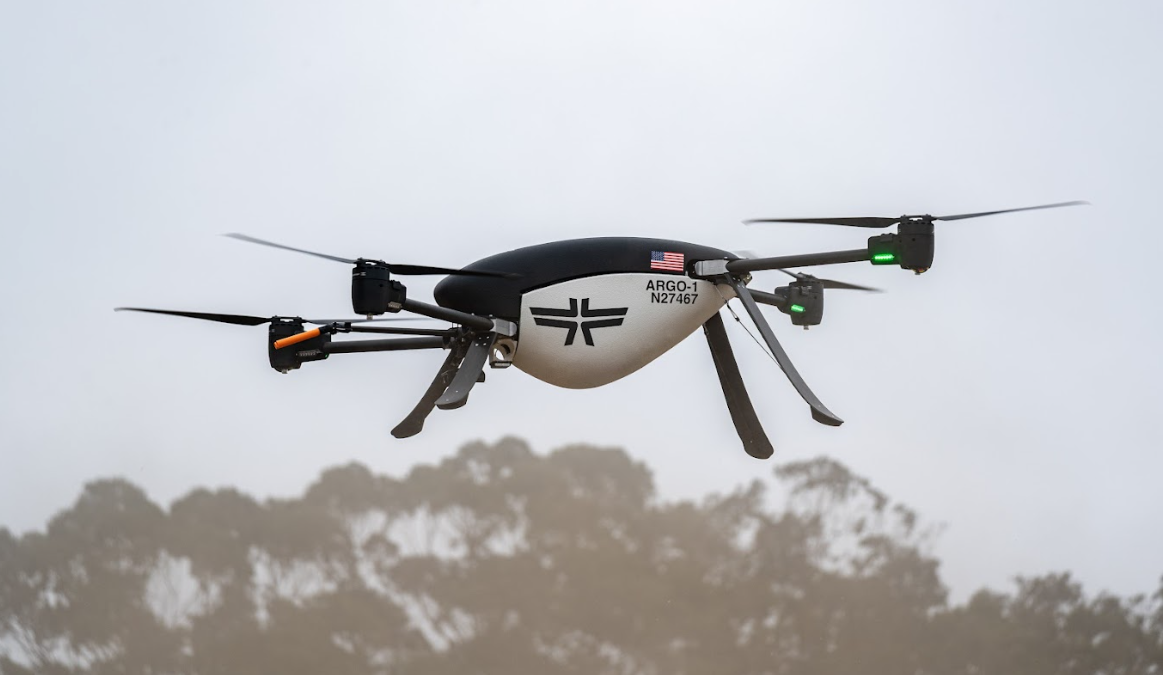
Seneca’s solution is built for rapid response—a critical weakness in traditional firefighting strategies. Their autonomous system consists of a launch station and a fleet of five drones, each carrying 100 pounds of Class A fire suppressant foam. When a fire is detected, the system automatically receives dispatch information. Within minutes—typically between 3 and 10—drones launch, navigate using GPS and thermal imaging, and target the fire directly.
Five drones carrying expanded Class A foam deliver suppression capacity equivalent to a 5,000-gallon wildland fire engine. But where engines require road access, drones fly directly into rugged, steep, or unreachable terrain—areas where early fires often grow unchecked.
Landesberg notes that accessibility is one of firefighters’ greatest challenges. “Crews may arrive and find no road to the fire. They cut through brush with chainsaws, carrying water on their backs. Our system aims to take the first shot while keeping firefighters safe.” Rather than replacing firefighters, Seneca’s concept strengthens them—buying time, reducing risk, and potentially stopping ignition events from becoming disasters.
Seneca’s technology did not develop in isolation. The startup collaborated closely with experienced fire officials, including the former fire chief of Aspen, the former CalFire chief of flight operations, and the former U.S. Fire Administrator. Their involvement ensured decisions were grounded not only in technology, but in decades of fire science and frontline experience.
Surprisingly, adoption resistance—typical when new tech enters traditional sectors—has been minimal. Fire agencies are actively seeking technological support as wildfires grow more frequent and intense. Landesberg notes that the most innovative fire chiefs today are those embracing new tools early.
With funding secured, Seneca plans to expand aggressively ahead of the 2026 fire season. The investment will support deployment of new strike-station locations across the western U.S., hiring additional staff, and refining next-generation drone capabilities. The long-term vision is an interconnected network of autonomous wildfire suppression bases positioned across fire-prone landscapes, activating instantly when sparks appear.
The implications are profound: shorter response times, reduced firefighter exposure, fewer megafires, and ultimately, a more resilient West. If Seneca succeeds, drones may become one of the most important climate defense tools of the decade—protecting lives, homes, forests, and entire communities.

.jpg)


