Quantum Systems and Helsing Europe’s Defence Paradox - Why Fragmentation, Not Funding, Is Holding Back Scale and Innovation
Public debate in Europe increasingly turns to the idea of a “European Army” as a response to geopolitical instability and rapid changes in modern warfare. Yet this discussion often skips a more fundamental problem: Europe does not have a unified defence market capable of supporting industrial scale, rapid innovation, or efficient procurement. The text highlights a core contradiction at the heart of European defence policy—ambition without structural integration.
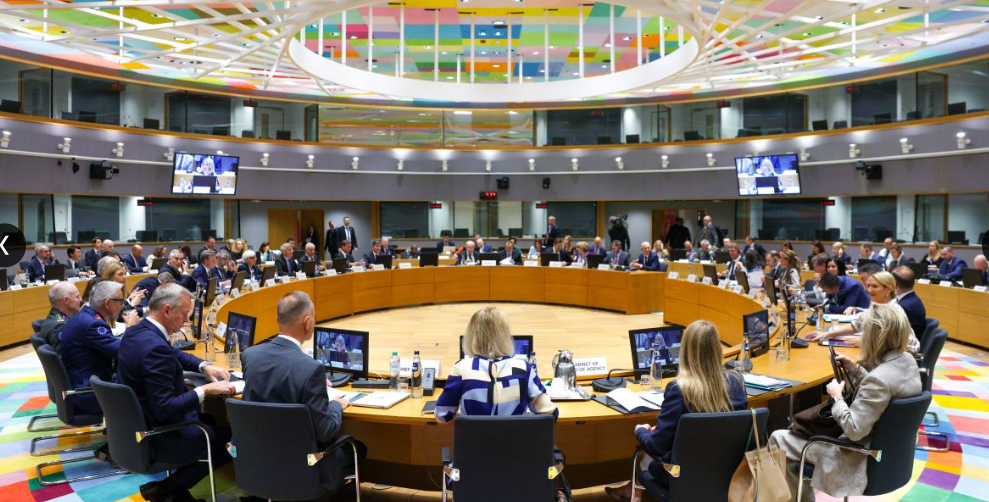
Unlike the European Single Market for civilian goods and services, defence remains resolutely national. While Europe operates as an economic union in most sectors, its defence ecosystem resembles a loose confederation of sovereign domains. Companies aiming to scale across the continent face an almost medieval patchwork of rules, clearances, and procurement regimes. Rather than selling into one market, they must effectively operate in 27 separate ones.
This fragmentation has real and costly consequences. Defence firms need local engineering teams in every target country, not merely sales offices. Security requirements demand national clearances, secure facilities, and country-specific compliance processes. Procurement systems differ in structure, timelines, documentation, and technical specifications, often with minimal harmonisation even among close allies. What looks from the outside like a single NATO-aligned market dissolves into complexity at the operational level.
The result is massive overhead in presales engineering, re‑certification, and product adaptation. Time, capital, and highly specialised talent are absorbed by administrative and procedural duplication. These are resources that could otherwise be invested in improving products, scaling manufacturing, and accelerating software-driven innovation—precisely the areas where modern defence capabilities now evolve fastest.
The contrast with the United States is stark. American defence firms can build at scale because they sell primarily to one dominant customer under a relatively unified procurement system. European companies, by contrast, face dozens of potential buyers, each too small on its own to justify large-scale production commitments. This structural disadvantage explains why even the most successful European defence-tech firms remain comparatively small despite growing demand.
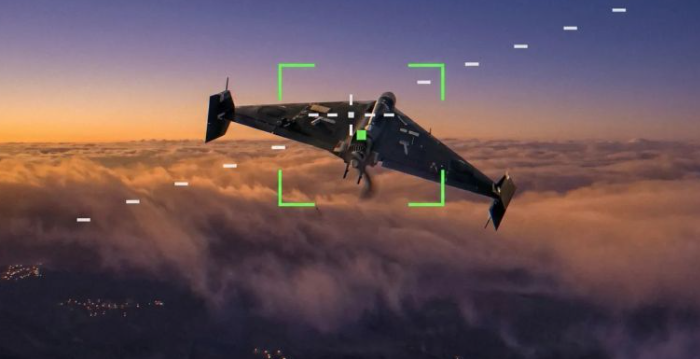
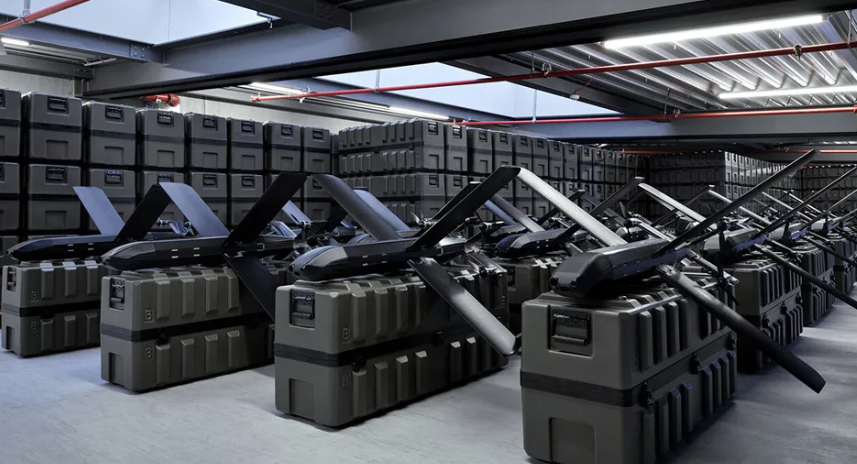
The challenge is particularly acute for unmanned and software-defined systems such as drones. These technologies evolve rapidly, driven by battlefield data and continuous software updates. Traditional procurement models—designed for long-lived platforms like aircraft or tanks—are poorly suited to such dynamics. Defence planners may be reluctant to stockpile systems that risk becoming obsolete within years or even months.
The text points to emerging ideas that could help bridge this gap, such as procurement contracts that prioritise production capacity and surge readiness over fixed delivery volumes. Paying firms to maintain the ability to ramp up manufacturing could support innovation while avoiding excessive stockpiles. However, such approaches would require changes to procurement laws and mindsets that remain deeply ingrained.
Cultural and doctrinal debates also play a role. Some military leaders question whether drones and software-heavy systems will fundamentally reshape warfare or merely substitute for missing capabilities, as suggested by the stalemate observed in Ukraine. This uncertainty dampens demand and reinforces conservative procurement behaviour, further slowing market growth.
Despite these obstacles, the outlook is not entirely bleak. National governments, particularly Germany, are beginning to place substantial domestic orders. EU-level initiatives that favour European suppliers signal a growing desire for strategic autonomy. Rising defence spending and reduced reliance on American technology create momentum for change.
Yet the central message remains clear: Europe does not lack talent, capital, or technological competence. What it lacks is a unified defence market designed to let companies grow. Until fragmentation is addressed, calls for a European Army risk remaining aspirational slogans rather than achievable outcomes. Scale, resilience, and innovation will follow integration—not the other way around.

%20(1)%20(1).png)