Putin Is Not Waiting for Peace. He Is Waiting for Ukraine and Europe to Get Tired
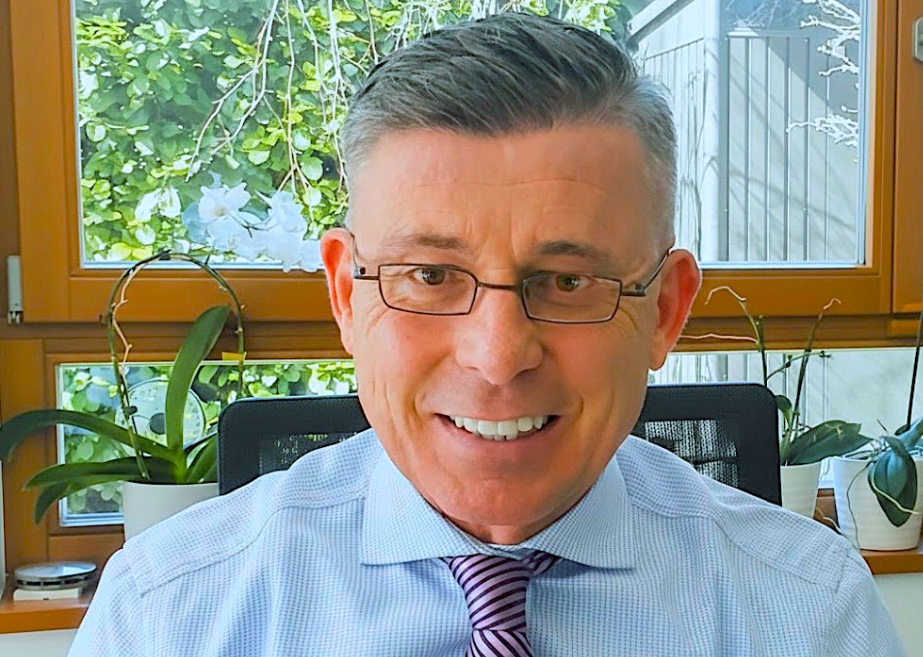
Perhaps the most dangerous assumption about the war in Ukraine is that Vladimir Putin is searching for the right moment to make peace.
According to Austrian political scientist and Russia expert Gerhard Mangott, he may be waiting for something very different: exhaustion.
In an interview published by Militär Aktuell on October 22, Mangott presents a bleak interpretation of Moscow's strategy. Russia, he argues, is playing for time, attacking Ukrainian energy infrastructure and logistics while betting that the costs of war will gradually weaken Ukrainian society's willingness to continue fighting.
But the clock Putin is watching does not tick only in Kyiv.
It is ticking in Europe too.
Mangott argues that Moscow expects the European Union eventually to struggle with the financial burden of simultaneously supporting Ukraine militarily and economically while financing Europe's own rearmament.
That is the crucial point.
Russia does not necessarily have to defeat Europe. It may simply have to outlast Europe's political patience.
And according to Mangott, there is little indication that Moscow currently seeks a negotiated settlement involving meaningful Russian concessions. He goes much further: an agreement acceptable to Moscow, in his assessment, would resemble Ukrainian capitulation.
That changes the way the familiar call for “negotiations” should be understood.
Negotiation normally implies two sides moving toward one another.
But what happens when one side believes time is working in its favour?
Mangott's interpretation of Russia's objectives also challenges the idea that this war can be understood simply as a territorial dispute over kilometres of Donbas.
Territory, he argues, is secondary to the larger political objective: forcing Ukraine back into Russia's sphere of influence.
Moscow's demands, as he describes them, stretch well beyond territory: Ukrainian neutrality, no NATO membership and no foreign troops stationed on Ukrainian soil. Put together, Mangott argues, they amount to restricted Ukrainian sovereignty.
That phrase should concentrate minds in Europe.
Because if the conflict concerns sovereignty rather than merely territory, moving lines on a map cannot by itself solve the underlying problem.
Meanwhile, Russia's position is far from cost-free.
Mangott argues that sanctions are producing real consequences, especially in technology. Restricted access to Western high technology is causing Russia to fall behind, while China can compensate only partially.
He also points to pressure on Russian oil and gas revenues, including reduced export volumes connected to the oil-price cap and sanctions targeting the so-called shadow fleet.
But sanctions have not accomplished their most ambitious political objectives.
They have not forced Russia to end the invasion. They have not produced sufficient willingness in Moscow to compromise. Nor, according to Mangott, have they created the hoped-for political split between Russian society and its leadership.
Then comes Europe itself.
Mangott expects Russia's irregular or hybrid activities to continue and potentially intensify while remaining difficult to attribute conclusively. At the same time, he considers direct Russian military action triggering a larger confrontation unlikely while Russian resources remain heavily committed in Ukraine.
His criticism of Europe's response is striking.
Europe, he argues, needs measures that impose tangible costs, from additional sanctions to diplomatic expulsions and restrictions on Russian state-linked institutions. In his view, the European response so far has largely failed to create sufficient deterrence.
And that leads to the uncomfortable strategic lesson behind the entire interview.
The war is not only being fought in trenches.
It is being fought against time.
Against Ukrainian endurance.
Against European budgets.
Against political attention spans.
Against Western elections.
Against the belief that democracies eventually become bored, divided or exhausted.
If Mangott's diagnosis is correct, Putin does not need everyone in Europe to support Russia.
He only needs enough Europeans to stop caring about Ukraine.
That may be the cheapest weapon Moscow possesses.
And perhaps the most dangerous.