Prisons Have Walls. Drones Don't - How Flying Smugglers Are Rewriting Prison Security with Sentrycs

The image of prison contraband being passed through fences, hidden in packages, or smuggled by visitors is rapidly becoming outdated. Today, organized crime is increasingly turning to a new delivery method that ignores walls, gates, and checkpoints entirely: drones.
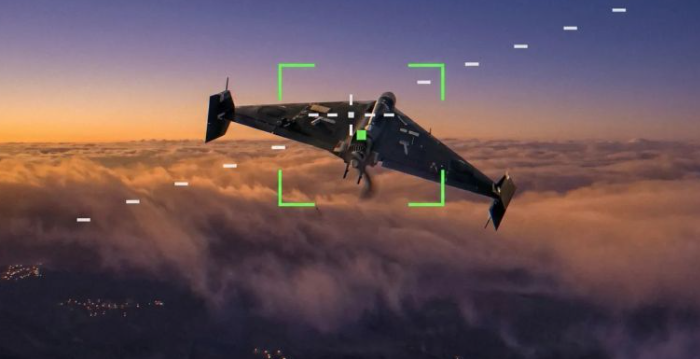
A recent incident at Naples-Poggioreale prison in Italy highlights the growing challenge. Prison officers successfully intercepted and neutralized two drones attempting to deliver approximately 600 grams of hashish and three smartphones into the correctional facility. The drones, operated remotely from outside the prison perimeter, were effectively acting as airborne couriers, designed to bypass traditional security measures.
While the operation ended successfully, it raises a larger question for correctional institutions worldwide: How long can conventional perimeter security remain effective when threats can simply fly over it?
The use of drones for prison smuggling is no longer an isolated occurrence. Across Europe, North America, and other regions, correctional facilities are reporting a steady increase in drone-related incidents. Smartphones, narcotics, SIM cards, weapons, and other prohibited items are routinely attached to commercial drones modified for cargo transport.
For criminal networks, the advantages are obvious. Drones are inexpensive, widely available, easy to operate, and capable of delivering payloads with remarkable precision. They eliminate the need for direct physical contact between smugglers and inmates, reducing the risk of detection and arrest. A drone can launch from kilometers away, complete its mission within minutes, and disappear before security personnel even realize it was there.
This shift creates a significant challenge for prison authorities. Traditional security systems were designed around physical boundaries. Cameras, fences, patrols, and access controls are highly effective against people attempting to enter restricted areas. They are far less effective against small aircraft approaching from above.
The Naples incident also illustrates an important reality: interception alone is not enough. Security teams need to know about an incoming drone before it reaches critical areas. Once a drone is directly above a prison yard or housing block, response options become limited and time-sensitive.
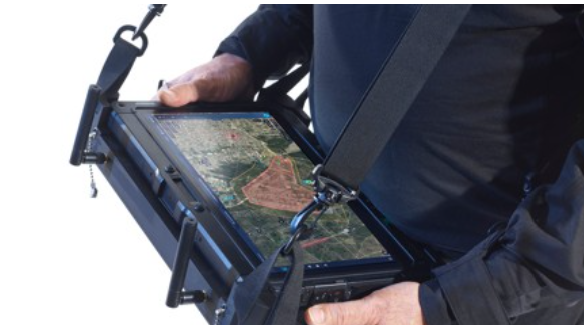
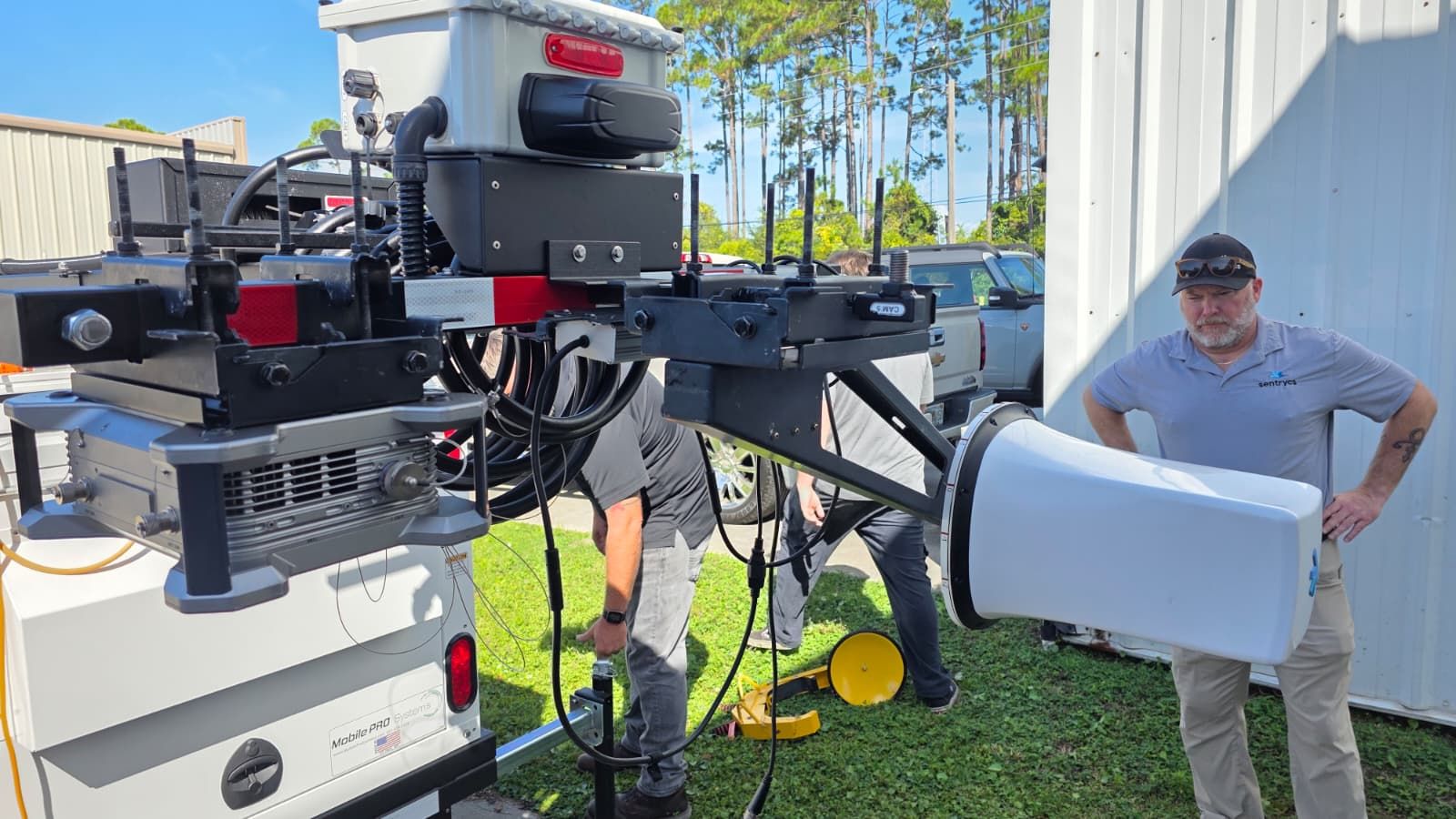
As a result, correctional facilities are increasingly exploring dedicated counter-drone technologies. Modern counter-UAS (Unmanned Aircraft System) solutions focus on early detection, identification, tracking, and response. By monitoring drone communication signals and flight behavior, security teams can gain real-time awareness of unauthorized aerial activity and react before contraband reaches inmates.
Solutions such as Sentrycs and other advanced counter-drone platforms are designed to address exactly this problem. Rather than relying solely on visual observation, these systems provide continuous monitoring of the airspace surrounding sensitive facilities. Security personnel can identify drone activity, determine potential launch locations, and coordinate an appropriate response before a delivery attempt succeeds.
The challenge extends beyond prisons. Airports, military installations, power plants, government facilities, and critical infrastructure operators are facing similar concerns. As drone technology continues to advance, so do the tactics of those seeking to exploit it.
The successful operation at Naples-Poggioreale demonstrates the professionalism and vigilance of prison staff. However, it also serves as a warning. Criminal organizations are embracing technology at a rapid pace, and security strategies must evolve just as quickly.
Prisons may still have walls, fences, and guard towers. But in the age of drones, the real perimeter begins in the sky.