Ireland’s EU Presidency Signals a New Era. Europe Is Finally Talking Like a Security Power
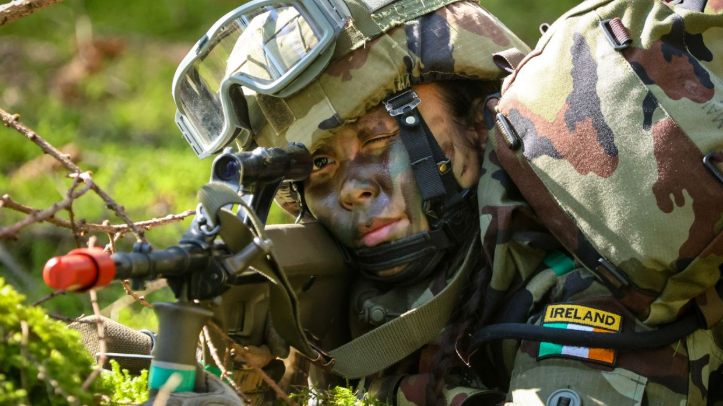
For decades, Ireland occupied a unique place in European politics.
A nation known for diplomacy rather than deterrence. For peacekeeping rather than power projection. For neutrality rather than military ambition.
That is precisely why the priorities of Ireland's 2026 Presidency of the Council of the European Union deserve attention.
Because they reveal something bigger than a rotating six-month political mandate.
They reveal how dramatically Europe has changed.
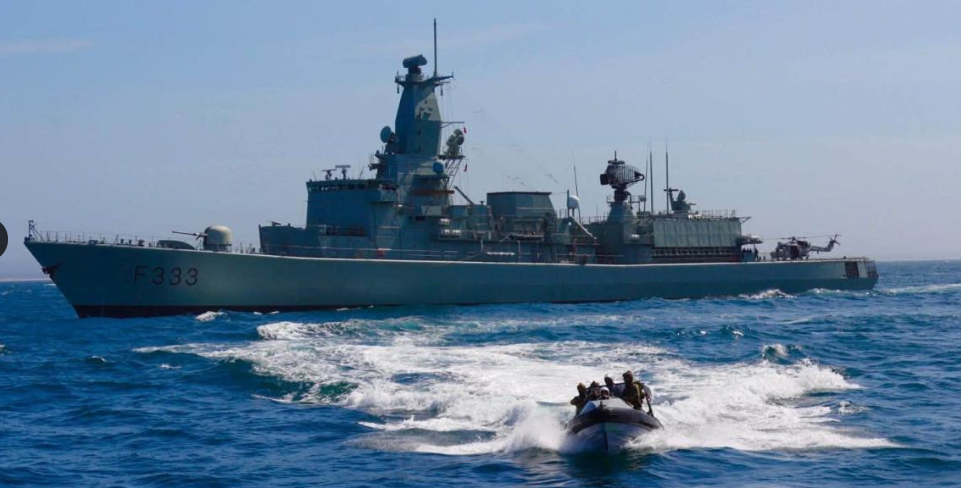
The official Irish agenda places defense and security at its core. Military mobility, Defense Readiness 2030, critical infrastructure protection, cybersecurity, defense procurement, maritime security, counter-hybrid operations, and support for Ukraine stand among the Presidency's headline priorities.
Ten years ago, such language would have sounded unusual coming from Dublin.
Today, it sounds increasingly European.
The transformation is not primarily about Ireland.
It is about the geopolitical reality confronting the continent.
Russia's full-scale war against Ukraine shattered assumptions that large-scale interstate warfare belonged to Europe's past. Houthi attacks disrupted maritime trade routes. Critical infrastructure sabotage exposed strategic vulnerabilities. Drone warfare, cyberattacks, disinformation campaigns, and hybrid operations blurred the traditional distinction between peace and conflict.
Europe no longer has the luxury of treating security as someone else's responsibility.
The Irish Presidency reflects that realization.
What stands out is not merely the list of priorities but the language itself.
The programme repeatedly emphasizes resilience, capability development, strategic readiness, defense cooperation, and military mobility. These are no longer niche concepts discussed within defense ministries. They are becoming mainstream pillars of EU policymaking.
The significance of military mobility alone should not be underestimated.
For years, NATO commanders have warned that moving military equipment across Europe can sometimes be more difficult than transporting it across oceans. Bureaucratic barriers, infrastructure limitations, incompatible regulations, and logistical bottlenecks undermine rapid reinforcement capabilities.
Military mobility is often described as the "military Schengen."
Without it, European defense plans remain theoretical.
With it, Europe becomes significantly harder to intimidate.
Equally significant is Ireland's commitment to advancing the Defence Readiness 2030 agenda.
For decades, Europe optimized itself for efficiency.
The new priority is resilience.
Stockpiles.
Redundancy.
Industrial capacity.
Secure supply chains.
Energy independence.
Critical infrastructure protection.
Defense readiness is not simply about armies. It is about ensuring societies can withstand disruption and recover quickly when challenged.
In that respect, the war in Ukraine has become more than a regional conflict.
It has become a strategic lesson for Europe.
Another striking feature of the Irish agenda is its continued support for Ukraine.
Dublin makes clear that helping Ukraine defend itself remains a defining Presidency priority. This reflects a broader understanding emerging across Europe: Ukrainian security and European security have become increasingly interconnected.
Ukraine is no longer viewed solely as a recipient of support.
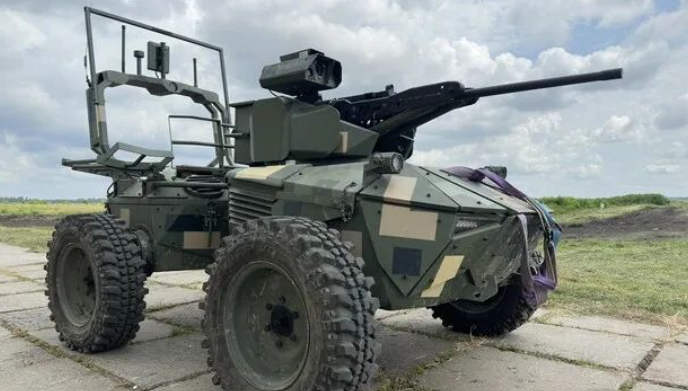
It is also becoming one of Europe's most important sources of military innovation, operational experience, and strategic learning.
From drone warfare to electronic warfare adaptation and resilient defense industrial production, many European capitals are studying Ukrainian lessons with growing urgency.
The Irish Presidency appears determined to keep that momentum alive.
Perhaps most interesting is what the programme says about the future identity of the European Union.
For years, Brussels often described itself as a regulatory superpower.
The world's rule-maker.
The author of standards.
The architect of compliance frameworks.
Those capabilities remain valuable.
But the emerging security environment is demanding something more.
Europe increasingly wants to become a strategic power as well.
That does not mean abandoning diplomacy.
It means recognizing that diplomacy is strongest when backed by resilience, industrial capacity, technological capability, and credible security arrangements.
Ireland's Presidency agenda illustrates this shift perfectly.
Environmental security sits alongside military security.
Economic security alongside cyber security.
Food security alongside defense readiness.
The message is clear: security can no longer be compartmentalized.
It must be understood as an interconnected system.
And there lies the broader significance of the Irish Presidency.
It reflects the emergence of a Europe that is beginning to think and act more strategically.
Not because it wants confrontation.
But because the international environment increasingly leaves little alternative.
The continent that once pursued security largely through interdependence is now investing heavily in preparedness, resilience, and defense capability.
That marks a historic transformation.
If previous European presidencies focused on managing integration, Ireland's may come to be remembered for something different:
Helping Europe adapt to an age where security has become the foundation upon which everything else depends.

%20(1).jpg)