How the U.S. Army Is Turning EagleNXT eBee Vision Drone Procurement into an Amazon-Style Battlefield Market
The U.S. Army is rewriting the rulebook - and it’s doing it with an interface that looks suspiciously familiar.
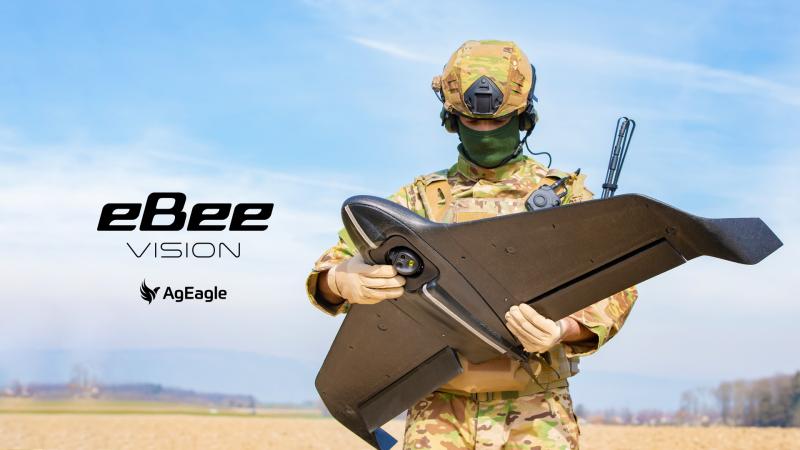
With the launch of its new UAS Marketplace, the Army has introduced what many in the defense sector have long demanded: a digital, Amazon-style platform for drone procurement. And at the center of this shift sits EagleNXT’s eBee VISION system—one of the first solutions to go live in what could become the most disruptive acquisition model in modern military history.
This is not just a product listing. It’s a signal.
For decades, defense procurement has been synonymous with complexity: slow approval cycles, rigid requirements, and multi-year acquisition programs. The new UAS Marketplace aims to dismantle that paradigm. Built in partnership with Amazon Web Services and the Army Enterprise Cloud Management Agency, the platform allows military units, government bodies, and even allied forces to browse, compare, and directly order pre-approved drone systems.
In other words—less bureaucracy, more capability.
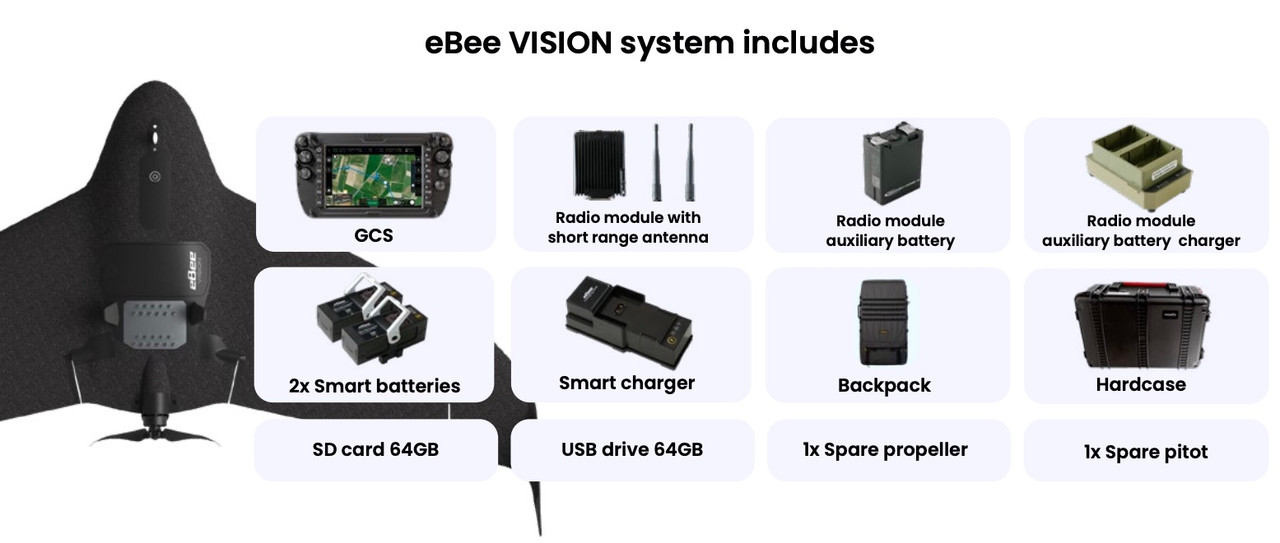
EagleNXT’s inclusion is strategically timed. Its eBee VISION drone is not just another unmanned system; it fits perfectly into the Army’s evolving doctrine: lightweight, agile, and data-driven. Backpack-portable and deployable in under three minutes, the system aligns with modern battlefield demands where speed is survival and situational awareness is everything.
But the real story is bigger than the drone itself.
This marketplace fundamentally shifts power dynamics within defense procurement. Instead of centralized decision-making dictating what soldiers receive, feedback loops are becoming operational. Users in the field can now review systems, compare performance, and influence future acquisitions—a level of transparency and responsiveness that would have been unthinkable just a few years ago.
It’s procurement democratized—within the constraints of military control.
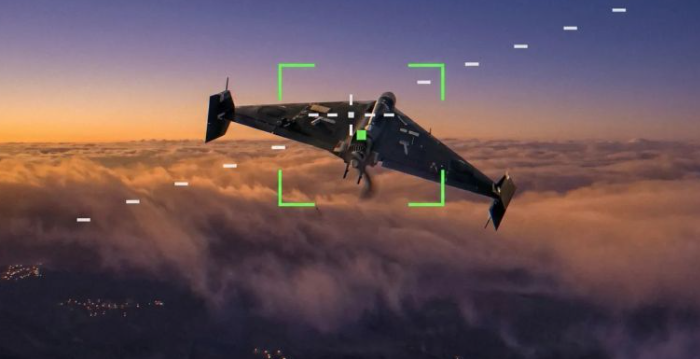
From a technological standpoint, the eBee VISION delivers exactly what this new ecosystem requires. Its 90-minute endurance, real-time HD video with thermal imaging, and long-range connectivity of up to 20 kilometers position it as a highly versatile ISR (Intelligence, Surveillance, Reconnaissance) asset. Add secure encryption, Blue UAS compliance, and resilience in GNSS-denied environments, and it becomes clear why it made the initial cut.
This is plug-and-play warfare capability.
Yet the implications stretch far beyond performance specs. By creating an “online storefront” for defense systems, the Army is effectively introducing competition at scale. Vendors are no longer competing only through long, opaque tender processes—they are competing in a visible, continuously updated marketplace. Performance, usability, and user feedback can now directly impact adoption.
For companies like EagleNXT, this is both an opportunity and a pressure test.
The opening of a dedicated manufacturing line in Texas underscores the stakes. Speed is no longer just about deployment in the field—it’s about production, delivery, and scalability. In a system designed for rapid acquisition, any lag in supply chains becomes immediately visible and consequential.
At the same time, the marketplace lowers barriers to entry for new players. Startups and mid-sized defense tech firms can now position themselves alongside established contractors, provided they meet compliance and security standards. This could drive a wave of innovation—particularly in areas like AI integration, autonomous navigation, and sensor fusion.
But it also raises critical questions.
Will speed come at the expense of oversight? Can quality assurance keep pace with accelerated procurement cycles? And how will traditional defense contractors adapt to a system that prioritizes agility over incumbency?
The Army seems willing to take that risk. The urgency of modern conflict—especially in drone-centric warfare environments—demands faster cycles, shorter feedback loops, and continuous capability upgrades.
The eBee VISION’s presence on the marketplace is not just a milestone for EagleNXT. It is an early indicator of how military procurement is evolving—from slow, centralized planning to dynamic, demand-driven ecosystems.
War, in this model, is no longer just fought with advanced systems.
It is supplied through platforms.