Germany’s Ukraine Policy Grows Teeth

For much of the war, Germany’s support for Ukraine was measured in packages, pledges, and internal debates. After this week’s Berlin meeting between Friedrich Merz and Volodymyr Zelenskyy, it is increasingly measured in conditions, coordination, and hard enforcement.
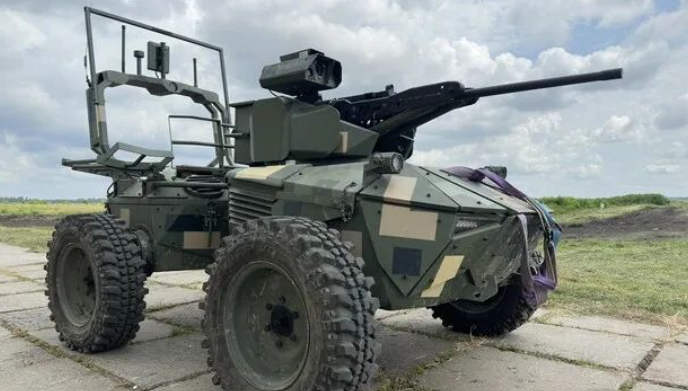
The headline was familiar: new German military aid. Air‑defense systems, drones, and ammunition are set to flow to Ukraine as part of a fresh support package, reinforcing Germany’s position as Kyiv’s most important European partner. For Ukraine, the emphasis on air defense is critical as Russia continues long‑range strikes against infrastructure and cities.
Yet the subtext was more interesting than the kit list.
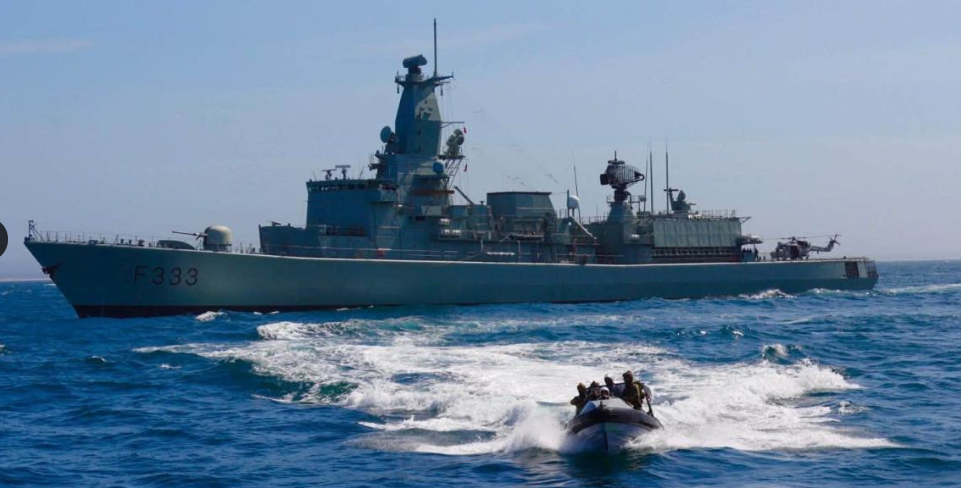
Merz made clear that Germany intends to tighten sanctions on Russia’s shadow fleet—the network of ships, intermediaries, and financial arrangements Moscow uses to keep oil revenues flowing despite Western restrictions. Drying up this revenue stream, Merz argued, is essential to weakening Russia’s long‑term war capacity.
This is not just economic policy. It is strategic warfare by regulatory means.
Equally significant were the cooperation agreements signed alongside the press conference. Beyond generic defense language, one deal provides for electronic data exchange for battlefield operations, hinting at a new level of interoperability and trust. The line between “supporter” and “partner” is visibly blurring.
But Germany’s recalibration also comes with sharper expectations.
In unusually direct remarks, Merz said Berlin is working with Kyiv to reduce the number of Ukrainian men of conscription age relocating to Germany. With more than a million Ukrainians currently living in the country, the statement reflects growing political sensitivity about migration, manpower shortages in Ukraine, and domestic pressures inside Germany itself.
For Kyiv, the message is uncomfortable but clear: sustained support requires sustained Ukrainian capacity—not just on the front lines, but in governance and mobilization.
Zelenskyy, meanwhile, addressed an issue that has loomed large in EU internal politics: the Druzhba pipeline. Repairs, he said, would be completed by the end of April, allowing oil flows to resume. This assurance matters far beyond energy markets—it removes a key argument previously used to delay EU financial mechanisms tied to Ukraine’s survival.
Seen together, these strands form a coherent strategy.
Germany is no longer content to write checks while others argue over outcomes. Instead, Berlin is shaping a model of conditional commitment: military aid paired with sanctions enforcement, operational integration paired with migration management, solidarity paired with expectations.
Whether this approach accelerates Ukraine’s path to security—or fuels new frictions inside Europe—will depend on execution. But one thing is already evident: Germany’s Ukraine policy is entering a more muscular, less ambiguous phase.
.jpg)