Germany’s €1 Billion Bet on the Digital Soldier
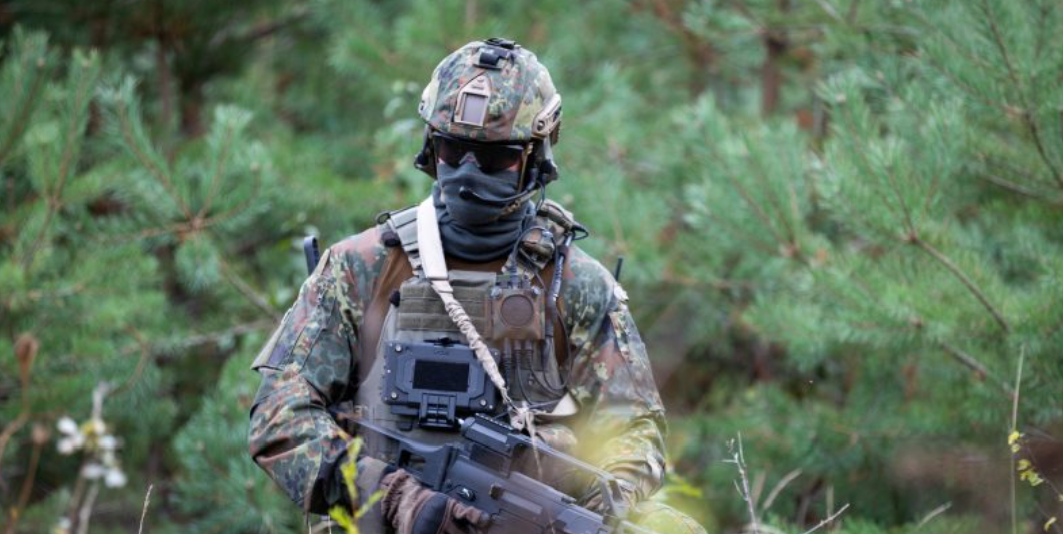
The German Bundeswehr is no longer just equipping soldiers. It is systemizing them.
With a new €1.04 billion gross order placed by the Federal Office of Bundeswehr Equipment, Information Technology and In-Service Support (BAAINBw), Rheinmetall Electronics is once again at the heart of Germany’s ambitious effort to digitize its land forces. The additional call-off under the existing framework contract for the “Infantryman of the Future – Extended System” (IdZ-ES) marks not merely another procurement milestone—but a clear signal of how modern infantry warfare is being redefined.
This latest order, placed in April 2026 and financially effective in the second quarter of the year, covers the delivery of 237 additional platoon systems and the modernization of existing ones. Deliveries are scheduled between November 2027 and December 2029. More orders are already looming: the Bundestag has cleared funding exceeding €1.3 billion, opening the door for further call-offs under the €3.1 billion framework agreement running through 2030.
Once the current batch is complete, the Bundeswehr will field 353 platoon systems with over 12,000 individual equipment sets. For around 8,600 soldiers, this will be their first encounter with the IdZ-ES ecosystem—a system that quietly but fundamentally transforms what it means to be an infantry soldier.
The Platoon as a Digital System
A single IdZ-ES platoon system equips roughly 35 soldiers and includes far more than uniforms and kit. It integrates IT systems, optics and optronics, communications equipment, protective gear and load-carrying solutions into a coherent digital architecture. Rheinmetall acts as general contractor, managing system responsibility and orchestrating more than 30 subcontractors.
In other words: this is industrial-scale systems engineering applied to the lowest tactical level of warfare.
New Capabilities, Old Reality
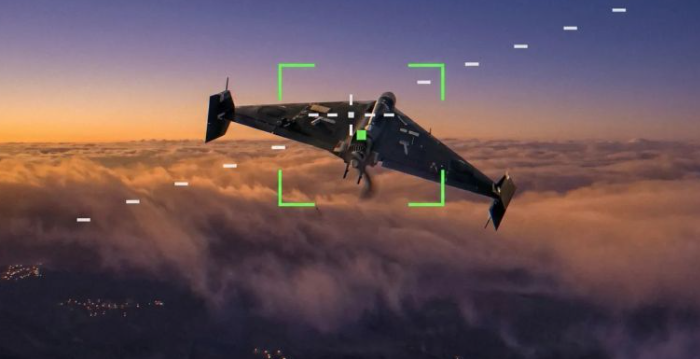
The updated configuration, labeled “VJTF+”, reflects lessons learned from modern battlefields. Portable drone warning systems such as the Wingman 105 now alert soldiers acoustically and visually via the battle management system. A new battery generation increases energy capacity by around 40 percent, reducing the number of batteries soldiers must carry from six to four—small numbers with real operational impact.
Additional upgrades include helmet-mounted laser warning systems and the ability to operate optronic devices remotely within the system. Older components are being phased out, while interoperability with vehicle platforms is being prepared, enabling connection to the Bundeswehr’s flagship digitization initiative: Digitalisation of Land-Based Operations (D-LBO).
The Bigger Picture: Digitizing the Battlefield
IdZ-ES is not an isolated project. It is the connective tissue between individual soldiers, vehicles, and command levels in a broader digital battlespace. Under D-LBO, more than 10,000 combat and support vehicles are scheduled to be integrated into a unified command-and-information network by mid-2030.
Here, IdZ-ES plays a critical role as the lowest tactical node—linking the infantryman to vehicles like the Puma infantry fighting vehicle and onward to higher command. Roughly 20 equipment components spread across leadership, combat effectiveness, protection, and survivability form the backbone of this digital soldier concept.
A Strategic Signal
Beyond hardware, the scale of the contract sends a political message. Signed originally in February 2025 as the largest soldier-system procurement in Bundeswehr history, the framework contract reflects a strategic shift: Germany is investing not just in platforms, but in digitally empowered personnel.
In modern warfare, information flow is firepower. With IdZ-ES, Germany is betting that the future infantryman is not defined by what they carry—but by what they are connected to.