From Rifle to Remote. European Defence Agency Trains a New Kind of Soldier in Latvia’s Drone Battlefield
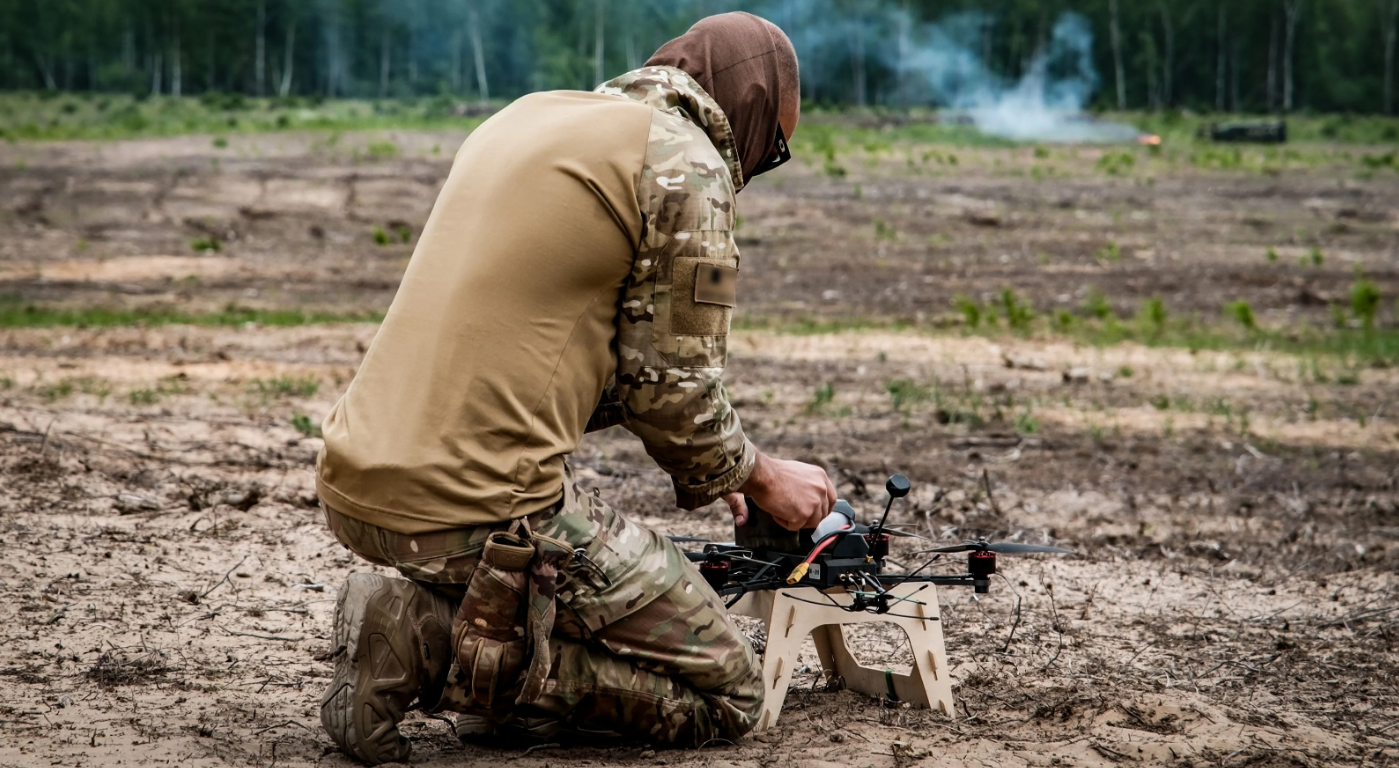
The soldier of the future may still carry a rifle—but increasingly, they will also carry a controller.
In Latvia’s sprawling Selonia military training area, something quietly extraordinary just happened. For the first time, drone pilots from 14 European Union member states trained together in a unified course on advanced unmanned systems—practicing strike and interception missions as if the battlefield had already arrived.
This was not just another multinational exercise. It was a signal.
Europe is no longer asking whether drones matter in modern warfare. It is treating them as fundamental—on par with basic firearms training. As João Caetano from the European Defence Agency (EDA) stated, drone operations are now seen as “a core military skill” that should be embedded into basic training.
That statement alone marks a doctrinal shift.
Because when a capability becomes “basic,” it stops being optional. It becomes expected. Standardised. Industrialised.
What unfolded between 31 May and 5 June in Selonia was not theory—it was operational reality. Pilots trained under field conditions designed to mirror modern war: trenches, forests, moving targets, mechanised units, and the invisible threat of other drones.
They flew first-person-view (FPV) drones—fast, agile systems that place the operator directly into the cockpit perspective. These are not surveillance tools. These are weapons of precision and disruption, designed to hunt, intercept, and strike.
And the scenarios were telling.
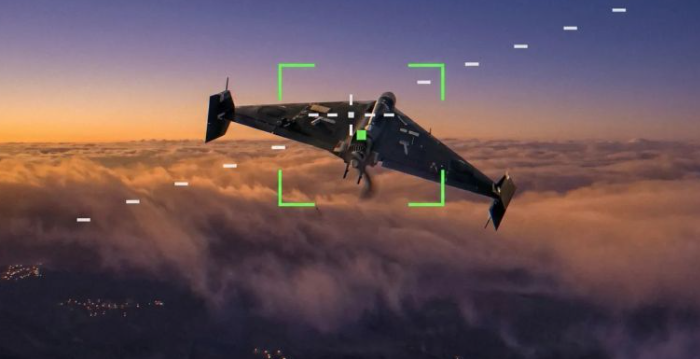
Participants practiced engaging static and dynamic targets, intercepting fixed-wing drones designed to mimic one-way attack systems, and conducting long-range missions over dozens of kilometres.
They trained at night. They trained with thermal imaging. They trained to operate in conditions where visibility and certainty collapse.
In short, they trained for the way wars are actually being fought today.
The choice of Latvia was no coincidence. Selonia—the largest military training ground in the Baltics—offers something scarce in Europe: space. Space to simulate real combat without the constraints of dense population and congested airspace.
This matters.
Because drone warfare does not happen in controlled environments. It happens across wide, contested terrain where signals are disrupted, threats are unpredictable, and decisions are measured in seconds.
Latvia, increasingly a hub for unmanned systems development, is becoming a laboratory for this new reality. Its Autonomous Systems Competence Centre not only hosted the training but designed scenarios specifically to force cooperation—uniting operators from different countries into joint missions.
And that cooperation is the second, deeper story.
This was not just about teaching individuals how to fly drones. It was about teaching Europe how to fight together—with them.
Different countries bring different experiences, different tactics, and different technologies. As one trainee noted, the value lies in sharing those perspectives and building interoperability under real conditions.
Because in the next conflict, drones will not operate in isolation. They will be integrated across nations, platforms, and domains.
Air, land, sea—and increasingly, autonomous networks connecting them all.
The EDA is already looking ahead. Parallel to the training, over 40 military experts and industry representatives gathered to discuss turning this one-off course into a permanent European programme—a network of training centres and standardized doctrine for unmanned operations.
If that happens, Selonia will not be remembered as a test.
It will be remembered as the starting point.
The comparison is telling. Europe once built multinational helicopter training programmes that became institutional pillars. Now it is preparing to do the same for drones.
And that should raise a simple but provocative question:
What happens when every European soldier becomes a drone operator?
The answer is not just technological. It is strategic.
It means faster decision cycles. It means distributed combat power. It means smaller units with disproportionate impact. It means a battlefield where awareness and precision replace mass and firepower.
And it means that the next generation of warfare will not just be fought by soldiers.
It will be flown by them.