From Pacifism to Partnership - Why Japanese Soldiers Are Training with NATO's Ukraine Mission in Wiesbaden, Germany?

Only a decade ago, the idea would have seemed almost unthinkable.
Japanese military personnel participating in a NATO mission connected to the war in Europe would have been viewed as politically improbable, strategically unnecessary, and diplomatically risky.
Today, it is reality.
Japan has announced that four members of its Self-Defense Forces will be deployed to NATO's Ukraine mission in Wiesbaden, Germany. Officially, their role is limited to observing and analyzing lessons from the war in Ukraine, particularly the rapidly evolving tactics, technologies, and operational methods emerging from the conflict.
The deployment is small.
Its significance is not.
The decision reflects a broader transformation underway in Japanese security policy—one that could reshape the strategic landscape not only in Asia but across the Western alliance system.
For decades after World War II, Japan built its national identity around constitutional pacifism. While maintaining capable Self-Defense Forces, Tokyo largely avoided direct military involvement in international security operations. Defense spending remained constrained, military exports were heavily restricted, and overseas deployments were politically sensitive.
That era is increasingly fading.
Russia's invasion of Ukraine, growing Chinese military activity around Taiwan, North Korean missile development, and increasing geopolitical instability have fundamentally altered Japan's threat perception.
The lesson many Japanese policymakers draw from Ukraine is straightforward: geography alone no longer guarantees security.
A conflict in Europe can reshape military planning in Asia.
Technological innovations developed on one battlefield can appear on another within months.
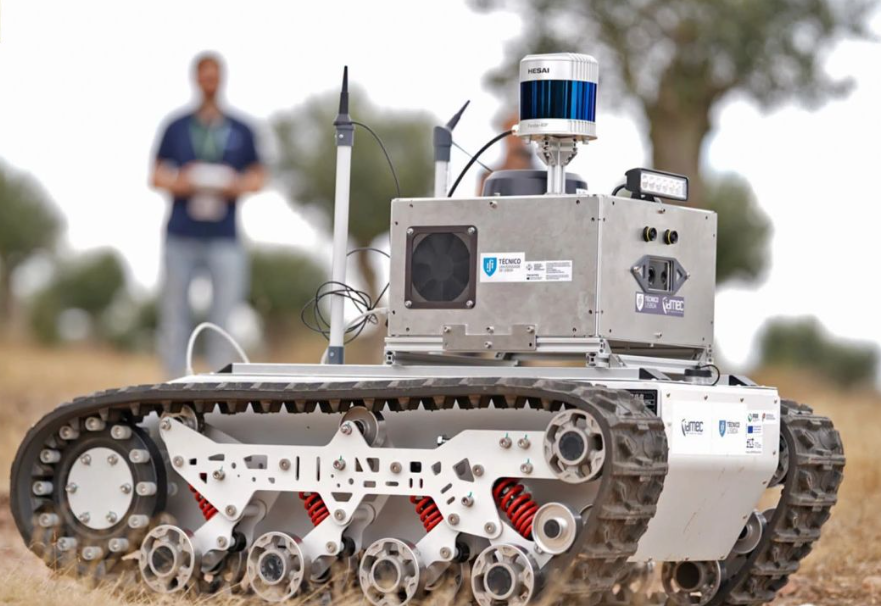
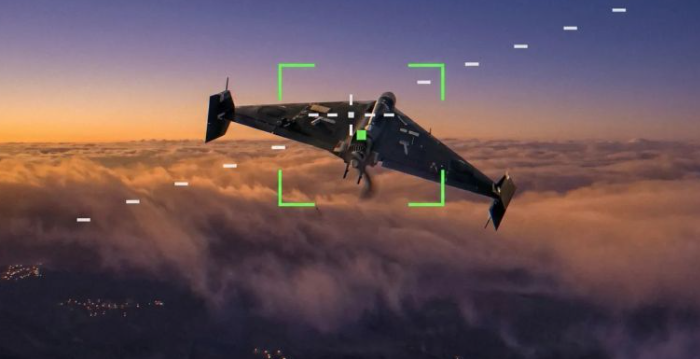
Drone warfare, electronic warfare, cyber operations, satellite intelligence, autonomous systems, and integrated missile strikes are now global phenomena rather than regional concerns.
For Japan, observing these developments firsthand has become a strategic necessity.
The deployment to Wiesbaden reflects this reality.
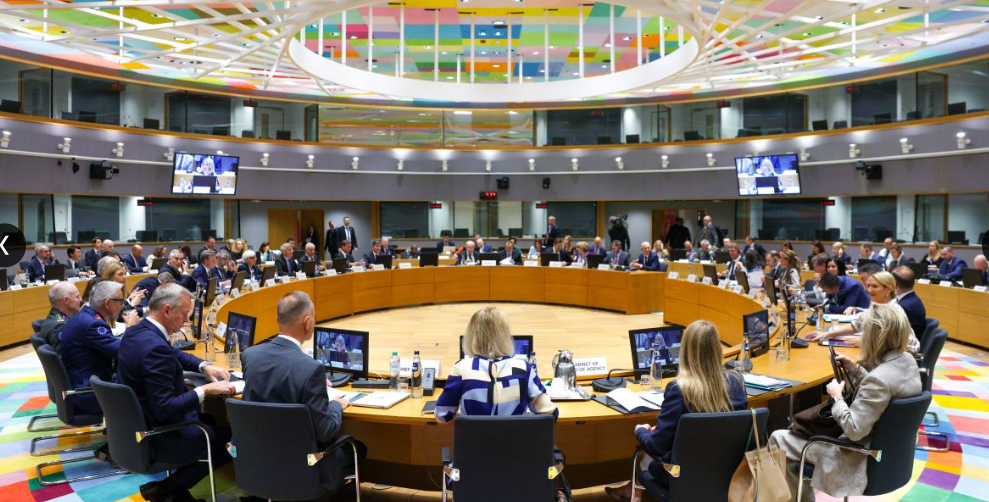
NATO's Ukraine mission serves as a hub for coordinating military assistance, training activities, logistics, and equipment support for Ukrainian forces. By participating, even in a limited capacity, Japanese personnel gain direct exposure to one of the most significant military laboratories of the 21st century.
The war in Ukraine has accelerated military innovation at a pace rarely seen in modern history.
Tactics that did not exist two years ago are now standard operating procedures.
Drone operators influence battlefield outcomes once dominated by artillery.
Artificial intelligence supports intelligence analysis.
Electronic warfare systems continuously adapt to new threats.
Every major military in the world is studying these developments.
Japan does not want to learn about them secondhand.
The move also reflects growing cooperation between NATO and Indo-Pacific partners. While Japan is not a NATO member, security relationships between the alliance and countries such as Japan, Australia, South Korea, and New Zealand have expanded significantly in recent years.
The reasoning is increasingly clear.
Many security challenges are no longer geographically isolated.
Supply chains, cyber threats, satellite networks, energy security, and emerging military technologies connect events across continents.
A crisis in Eastern Europe may influence military calculations in East Asia.
Likewise, developments in the Indo-Pacific increasingly affect European security planning.
Russia has already reacted negatively to Japan's growing military role. Moscow recently warned Tokyo against hosting certain U.S. missile systems, arguing that such deployments would threaten Russia's Far Eastern security environment.
These tensions are likely to increase as Japan continues its military modernization efforts.
Yet the most important aspect of the deployment may be symbolic.
Four soldiers will not change the balance of power.
Four observers will not determine the outcome of the war in Ukraine.
But symbols matter.
This deployment signals that Japan increasingly sees itself not merely as a regional actor, but as a stakeholder in global security.
The world is witnessing a historic shift.
The question is no longer whether Japan will play a larger security role.
The question is how large that role will become.