Europe’s Defence Awakening - Why More Money Won’t Buy Strategic Autonomy

Europe has finally woken up to its security problem. But waking up is not the same as standing on your own feet.
That is the central warning from defence economist Juan Mejino‑López, speaking in a recent European Defence Matters interview. After decades of underinvestment, Europe is spending again—fast. Yet, as Mejino‑López makes clear, cash alone will not fix what is fundamentally a structural and industrial challenge.
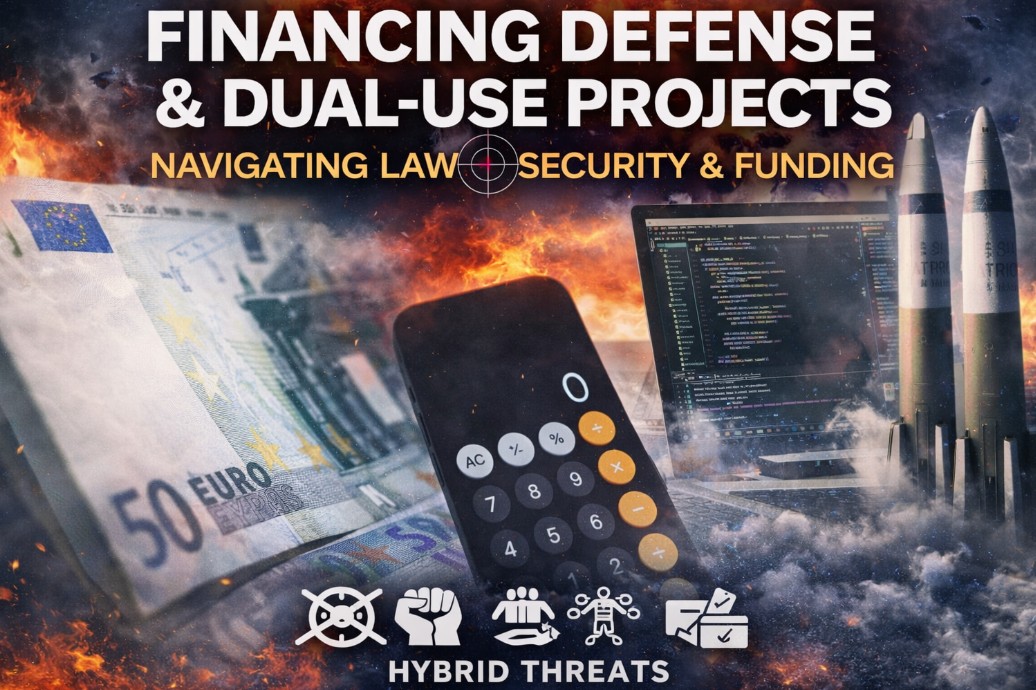
Since Russia’s invasion of Ukraine, European defence budgets have surged. Some countries, notably Poland and the Baltic states, are now approaching 5% of GDP in defence spending. Across the EU, the share of defence budgets allocated to equipment has risen from under 20% a decade ago to around 40% today. On paper, this looks like a renaissance.
In reality, much of this spending is still about catching up.
Years of post‑Cold War drawdowns and post‑2008 austerity hollowed out Europe’s defence base. By 2014, most European countries were spending roughly 1.2% of GDP on defence. According to European Defence Agency data cited in the interview, this created an estimated €200 billion gap between what Europe should have invested and what it actually did.
The result is visible today: slow delivery times, fragmented procurement, and heavy reliance on non‑European suppliers.
Nowhere is that dependence clearer than in Europe’s relationship with the United States.
Mejino‑López points to a sharp increase in European purchases through the U.S. Foreign Military Sales (FMS) programme, particularly for fighter jets, air defence systems, and missiles. In 2024 alone, FMS notifications to Europe reached $76 billion, with Poland accounting for more than $45 billion across 2023 and 2024.
These purchases fill urgent capability gaps—but at a cost.
In the short term, U.S. systems help Europe rearm faster. In the medium and long term, they create lock‑in effects that limit Europe’s ability to develop its own alternatives. Dependence is not just about hardware. Europe increasingly relies on U.S. software, command‑and‑control systems, and digital backbones that are essential to modern military operations.
This creates strategic vulnerability. U.S. production priorities can shift—toward Asia, for example. Access to updates, spare parts, or operational software can be delayed or constrained. And leverage gained through defence dependencies can spill into non‑defence policy areas.
The answer, Mejino‑López argues, is not disengagement from the United States—but choice.
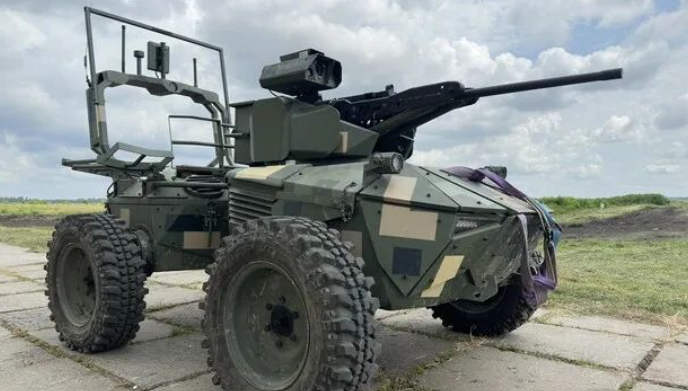
Europe can reduce dependence, but only if it acts strategically. That means prioritising domestic investment in areas where others currently dominate, including air defence, missile technologies, drones, and AI‑enabled systems. It also means coordinated procurement to create scale, reduce duplication, and cut costs.
Fragmentation is Europe’s enemy.
Despite improvements, EU member states still default to national solutions—or U.S. ones—rather than truly European programmes. Without common standards, shared command‑and‑control frameworks, and aligned export policies, Europe risks building more capacity without building autonomy.
There are, however, reasons for cautious optimism.
European defence cooperation is stronger than it was a decade ago. NATO and EU frameworks enable joint planning. European companies are beginning to achieve industrial scale. New EU initiatives aim to support defence innovation and integration. There are also opportunities to work more closely with Ukraine’s highly developed defence industry and to channel investment into start‑ups focused on advanced technologies.
But trust—and data—remain decisive.
Greater transparency, better defence data, and genuine cross‑border planning are essential if Europe wants to move from reactive spending to strategic capability‑building.
As Mejino‑López puts it: “The EU has woken up to the security threat, but ‘reshoring’ EU defence will take more than money.” Without industrial scale, technological investment, and cross‑border integration, Europe risks spending billions only to remain strategically dependent.
The path forward is clear. The question is whether Europe has the discipline to follow it.