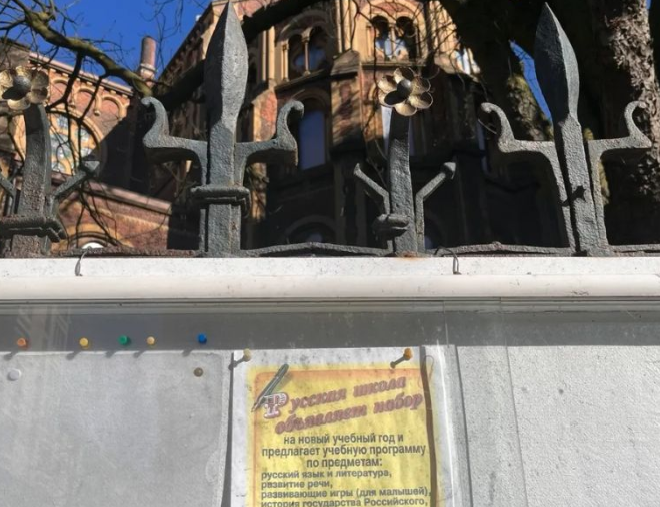
Europe’s Blind Spot. Russians Preparations at German Churches
Europe is preparing for the next war.
The problem is that the next war may have already started.
Not with tanks crossing borders. Not with missiles lighting up the night sky. But through sabotage, influence operations, recruitment networks, cyberattacks, disinformation campaigns, critical infrastructure incidents, and mysterious drones appearing where they should never be.
The uncomfortable truth emerging across Europe is that the dividing line between peace and conflict is becoming increasingly difficult to identify.
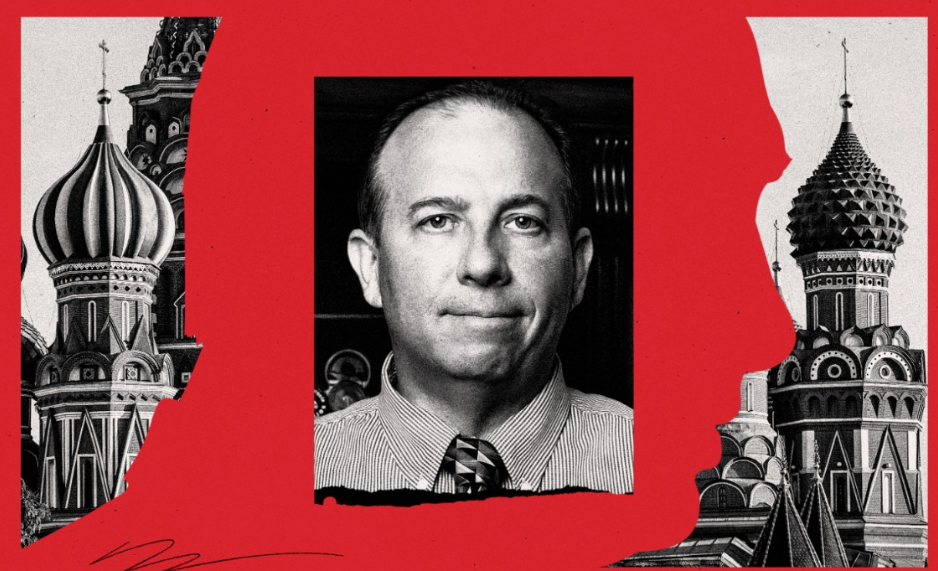
Recent reports alleging a Russian intelligence plot targeting Stefan Thumann, head of German drone manufacturer Donaustahl, have intensified concerns among security observers and policymakers. At the same time, reports of unidentified drones operating near sensitive infrastructure and airports continue to appear across Europe, raising questions about surveillance, preparedness, and deterrence.
Whether every incident is connected or not is almost beside the point.
The pattern is impossible to ignore.
Modern conflict no longer begins with a declaration of war.
It begins with uncertainty.
Security agencies across Europe have repeatedly warned about foreign influence operations, espionage activities, recruitment efforts, cyber intrusions, and attempts to exploit social divisions. These activities often operate below the threshold that would trigger a military response. Individually, they may seem minor.
Together, they create a strategic challenge unlike anything Europe has faced in decades.
The objective is not necessarily military victory.
The objective is confusion.
Confusion weakens institutions.
Confusion divides societies.
Confusion delays political decisions.
And delay can be remarkably valuable for an adversary.
One of the most troubling aspects of this evolving landscape is the exploitation of vulnerable populations. Recruiters searching for participants in influence campaigns, sabotage operations, or criminal activities often look for people facing financial hardship, social isolation, or instability. The targets are not defined by nationality.
They are defined by opportunity.
In this environment, refugees, migrants, students, activists, workers, and ordinary citizens can all become potential targets for manipulation.
That reality challenges one of Europe's traditional assumptions: that threats arrive from outside.
Increasingly, security professionals argue that modern threats are designed to emerge from within.
A drone launched locally.
A cyberattack initiated remotely.
A social media campaign amplified domestically.
An apparently legitimate organization quietly serving foreign interests.
The tools are different.
The strategic objective remains familiar.
Undermine confidence.
Create friction.
Delay responses.
Exhaust opponents.
The challenge for democratic societies is particularly difficult because openness is one of their greatest strengths. Freedom of association, free speech, independent journalism, cultural exchange, and civil society organizations are essential pillars of democracy.
Yet those same open systems can be exploited by hostile actors seeking influence.
This creates an uncomfortable balancing act.
Democracies must defend themselves without becoming less democratic.
They must strengthen security without abandoning openness.
They must remain vigilant without descending into paranoia.
That distinction matters.
Not every cultural institution is a threat.
Not every journalist is an agent.
Not every political disagreement is foreign interference.
Evidence, transparency, and due process remain essential.
But ignoring potential threats because discussing them is politically uncomfortable is equally dangerous.
History repeatedly demonstrates that authoritarian systems often exploit the hesitation of open societies.
The broader question confronting Europe is whether its political institutions are adapting quickly enough to this new reality.
Military spending is increasing.
Defense production is growing.
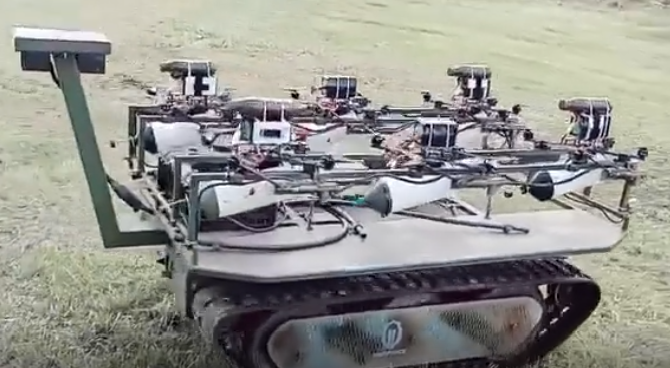
Counter-drone technologies are being deployed.
Yet many security experts argue that Europe still treats hybrid warfare as a secondary challenge rather than a primary one.
The battlefield has expanded.
It now includes information spaces, economic networks, energy systems, transportation infrastructure, digital ecosystems, and public trust itself.
The individuals defending Europe are no longer only soldiers.
They are cybersecurity analysts, investigative journalists, prosecutors, intelligence officers, infrastructure specialists, researchers, and informed citizens.
That may be the most important lesson of all.
Security is no longer exclusively a government responsibility.
Resilience is becoming a societal responsibility.
The invisible war of the twenty-first century is not fought solely on distant front lines.
It unfolds in airports, online platforms, industrial facilities, media ecosystems, and local communities.
Europe's challenge is not simply recognizing that reality.
It is responding before the next warning becomes the next crisis.
Because the most dangerous threats are often the ones societies refuse to see until they become impossible to ignore.