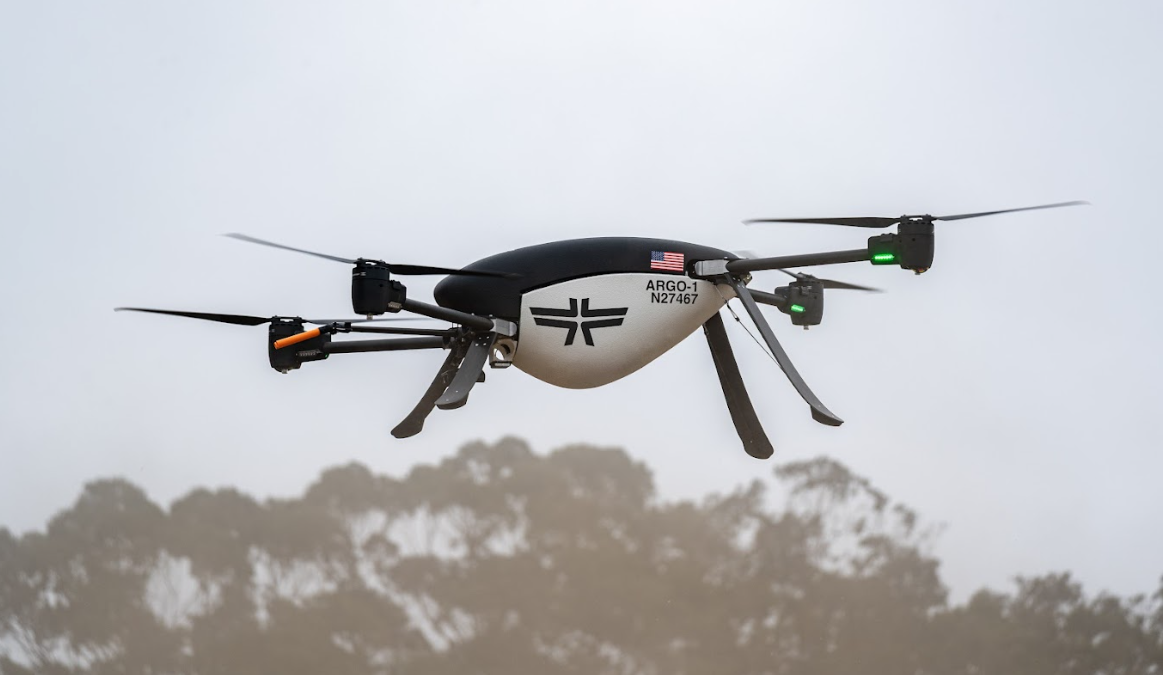
EAGLE EYE-X - The Drone That Wants to Detect Fire Before Humans Even See Smoke
Wildfires don’t start as disasters.
They start as something almost invisible.
A heat anomaly. A thin line of smoke. A signal too small—and too early—for most systems to react. By the time traditional detection methods respond, the window for easy containment is often already closed.
That’s the gap EAGLE EYE-X is designed to close.
Developed under Project Eagle, this UAV platform is not just about flying—it’s about operational readiness under pressure. Because in wildfire detection, technology alone is never enough. The real challenge is execution.
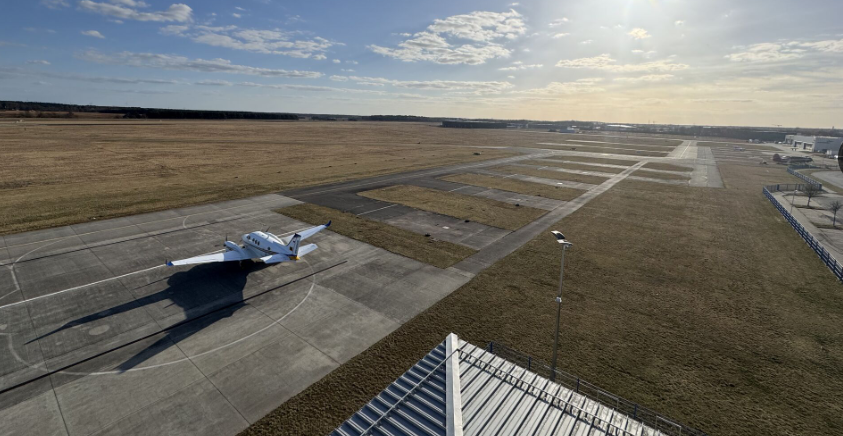
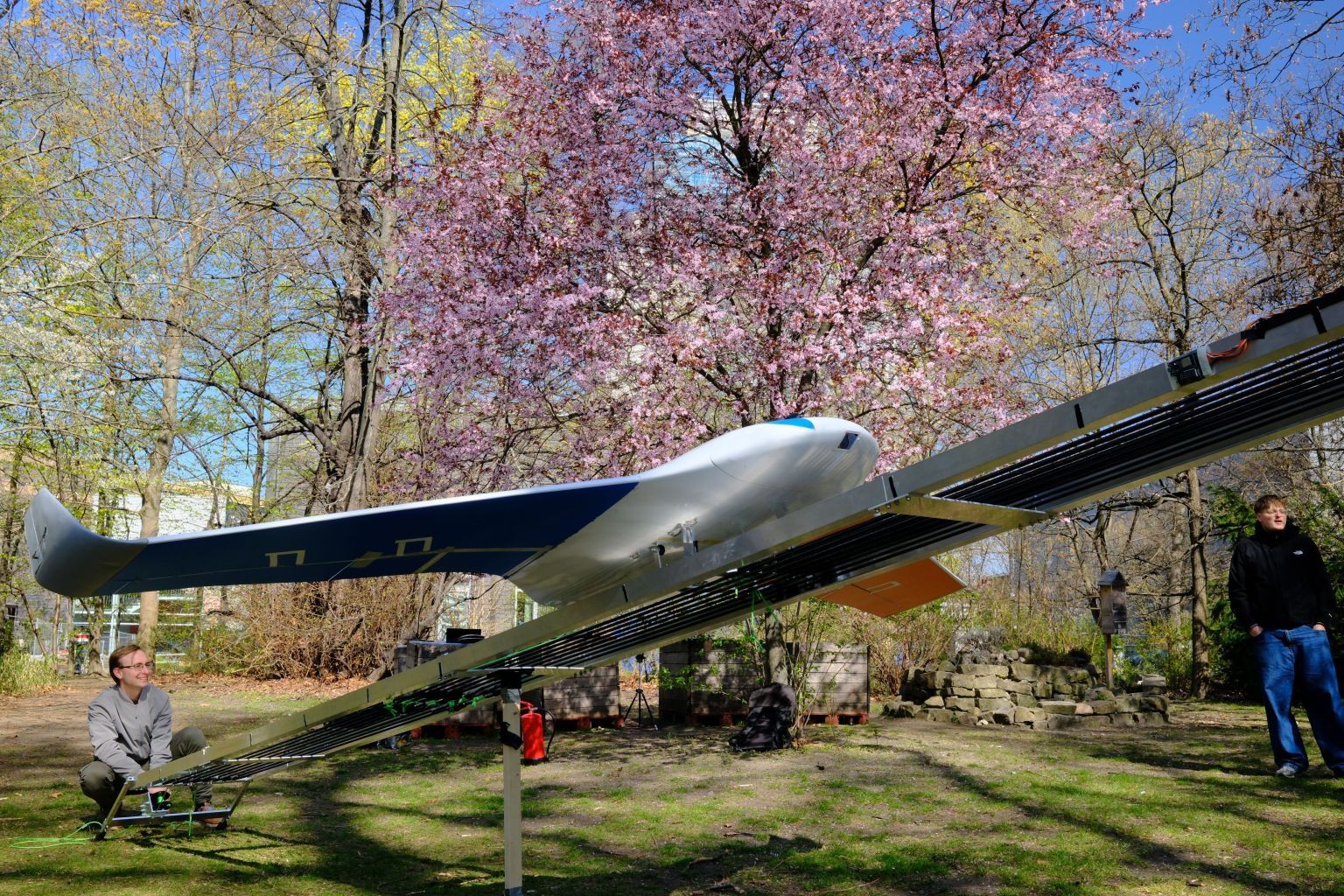
At the beginning of April, the Project Eagle team conducted a full-scale flight testing rehearsal. Not a demo. Not a showcase. A real, timed, procedural run-through of everything that must happen before a UAV ever leaves the ground.
Catapult launch system setup.
Prototype preparation.
Pilot briefing.
End-to-end workflow timing.
Every step measured. Every delay exposed.
Because when a wildfire starts, there is no time to improvise.
The harsh reality of field operations is simple: most failures don’t come from the core technology. They come from small inefficiencies, overlooked steps, and misaligned processes. Seconds lost in setup become minutes lost in response. And minutes, in wildfire scenarios, can mean kilometers of spread.
This is why test flights matter.
Not as a validation of flight capability—but as a validation of the entire system around the flight.
During the trial, not everything went as planned. And that was the point.
A launch sequence that took longer than expected. A coordination step that needed clarification. Minor frictions that, in isolation, seem irrelevant—but in real operations, compound into serious delays.
Instead of hiding these imperfections, the team surfaced them.
Because controlled failure in testing is infinitely cheaper than failure in the field.
EAGLE EYE-X operates in a domain where conditions are unpredictable:
- Rapidly changing weather
- Remote deployment locations
- Limited infrastructure
- High-stress decision environments
In such contexts, repeatability beats perfection.
A system that works 100% in ideal conditions but fails under pressure is useless. What matters is a workflow that teams can execute consistently, even when everything around them is unstable.
That’s what Project Eagle is building.
The UAV itself is only one component. Around it exists a tightly structured operational framework: launch systems, team coordination protocols, briefing procedures, and real-time decision loops. Together, they form a response architecture, not just a product.
And this is where the real innovation lies.
Wildfire detection is often framed as a sensor problem—better cameras, better thermal imaging, better AI. But detection is only valuable if it leads to fast, reliable action.
EAGLE EYE-X focuses on the full chain:
Detection → Deployment → Response.
Each link must be optimized. Each second must be justified.
The recent trial run demonstrated something critical: readiness is not built in the moment of crisis. It is built in repetition, refinement, and disciplined preparation.
With each test, the system becomes faster. The team becomes sharper. The unknowns become fewer.
And the response window becomes smaller.
Looking ahead, the upcoming flight testing campaign will push the system further—more complex scenarios, more variables, more pressure. Because only under stress does a system reveal its true capabilities.
Wildfires will continue to challenge infrastructure, ecosystems, and response systems worldwide.
But the future of detection will not be defined by technology alone.
It will be defined by how well humans and machines operate together—
under time pressure, in uncertainty, and without margin for error.
EAGLE EYE-X is not just trying to see fires earlier.
It’s trying to make sure that when it does—
everything else is already ready.