DroneNews24 @ ILA Berlin 2026. Drones Stop Watching and Start Deciding

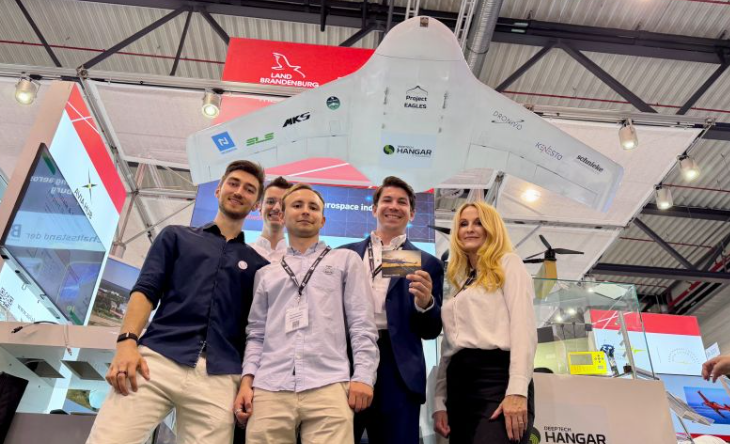
DroneNews24 was at ILA Berlin 2026, bringing you firsthand insights from one of the most important aerospace and defense events of the year.
ILA Berlin 2026 didn’t just showcase drones—it exposed a shift in power. What was once a domain of surveillance has become a theater of decision-making, autonomy, and algorithm-driven warfare. Walking through the exhibition halls, one thing was unmistakably clear: the drone is no longer a tool. It is becoming a system of systems.
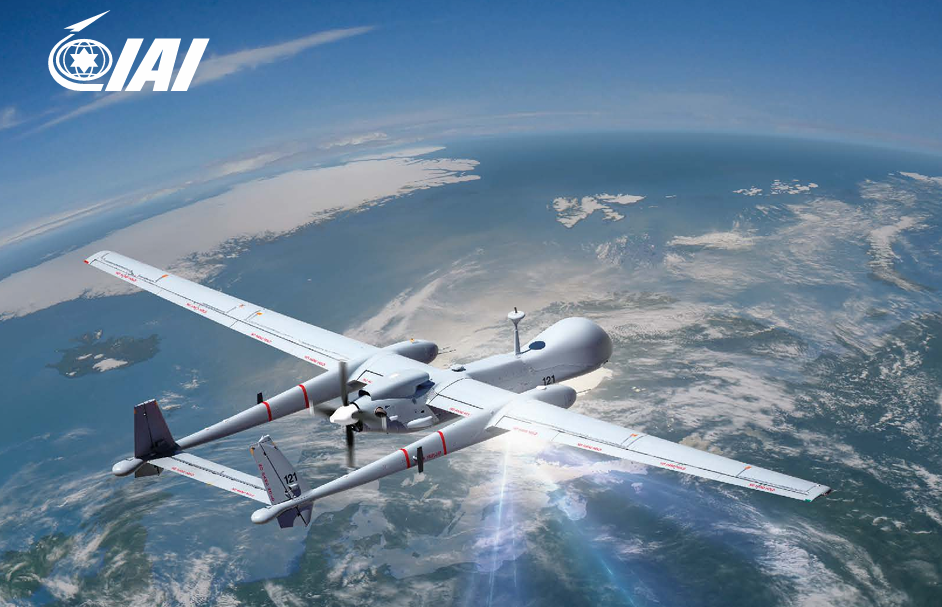
The centerpiece of this transformation stood tall—almost paradoxically—in the form of Israel Aerospace Industries’ Heron TP. A veteran of the skies, yet anything but outdated, the Heron TP represents the upper tier of strategic unmanned aviation. With its massive wingspan and persistent presence, it reminds observers of a simple truth: endurance still wins wars. But what elevates the Heron TP beyond its predecessors is not just size or range—it is integration. Multi-sensor payloads combining EO/IR, radar, and SIGINT turn it into a flying intelligence hub, while SATCOM connectivity ensures that it never operates in isolation.
This is where the shift begins. The Heron TP is not just gathering intelligence—it is shaping the battlefield narrative in real time.
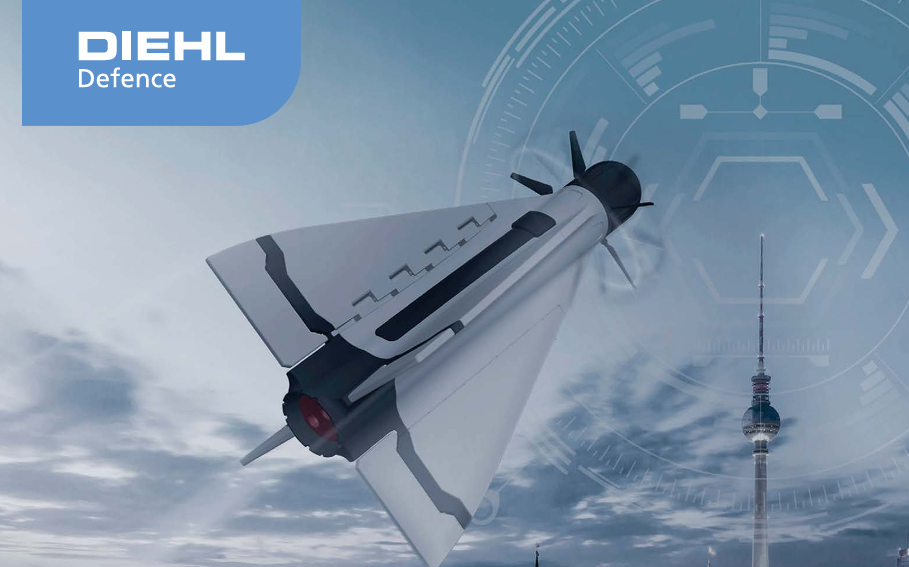
Yet, ILA 2026 wasn’t only about high-altitude dominance. Just a few stands away, Diehl Defence presented something far more immediate—and perhaps more unsettling: the CICADA C-UAS eMissile. Compact, precise, and purpose-built to neutralize drone threats, CICADA embodies the countermeasure era. The battlefield is now saturated with unmanned systems, and the response is equally autonomous. One drone hunts another. The skies are fragmenting into layers of offense and defense, where reaction times measured in milliseconds matter more than human reflexes.
This duality—strategic oversight versus tactical interception—captures the modern drone ecosystem. But the real frontier lies in coordination.
Enter the Swarm Drone Challenge 2026, where the future stopped being theoretical. Six finalist teams from an international pool of sixteen demonstrated what happens when drones stop acting alone. Swarming is not new—but making it operational, reliable, and militarily useful is the breakthrough. Teams like DLR’s Multi-Agent Flight Systems and innovators such as ATMOSENTIS and Skymind are pushing boundaries where distributed intelligence replaces centralized control.
The implications are profound. A swarm does not depend on one pilot, one signal, or even one survival path. It adapts. It reconfigures. It survives.
Judged by experts from institutions such as the Bundeswehr Cyber Innovation Hub and MBDA, the competition wasn’t just about technical excellence—it was about operational credibility. Can these swarms function in contested environments? Can they scale? Can they be trusted?
Those questions echoed far beyond the exhibition grounds.
Because at ILA Berlin 2026, autonomy was no longer a concept—it was a commitment. The industry is moving toward systems that can take off, operate, adapt, and in some cases act—with minimal human intervention. Automatic taxi, takeoff, and landing systems (ATOL), redundant avionics, and AI-driven coordination are not incremental upgrades; they are foundational shifts.
And with that shift comes a tension the industry has yet to fully resolve.
Who is accountable when systems decide faster than humans can understand? Where does control sit in an ecosystem built on distributed intelligence? And perhaps most critically—are we designing systems that augment human decision-making, or systems that quietly replace it?
ILA Berlin 2026 did not answer these questions. But it made one thing unavoidable: the age of passive drones is over.
What comes next will not be defined by flight hours alone—but by the algorithms behind them.