Colombian Cartels Look to Ukraine's Battlefields for Drone Warfare Expertise
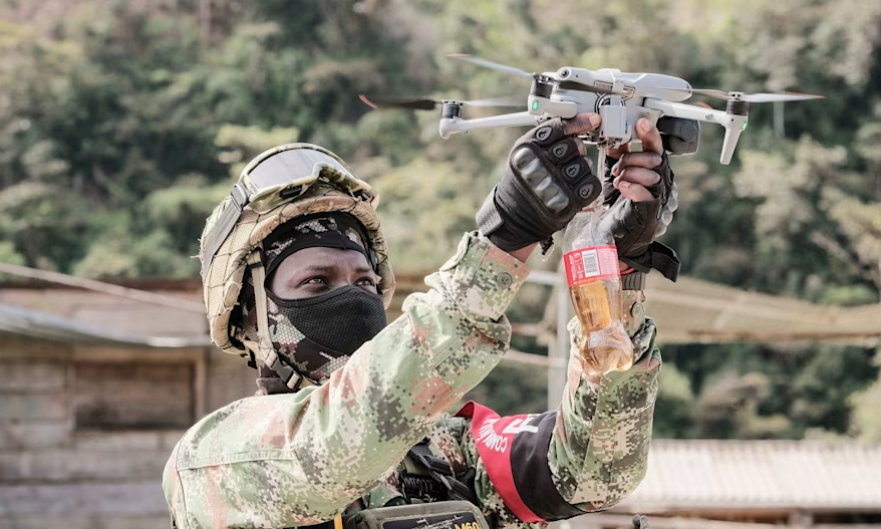
Colombia's military held a decisive advantage over guerrilla groups and criminal organizations: control of the skies.
That advantage is now under unprecedented pressure.
Thousands of kilometers away, on the battlefields of Ukraine, one of the most significant military transformations of the 21st century is unfolding. Drones have evolved from support tools into critical battlefield assets capable of surveillance, targeting, logistics and precision strikes. As military forces adapt to this new reality, the lessons learned in Ukraine are increasingly influencing conflicts far beyond Europe.
Among the regions experiencing that impact most directly is Colombia.
According to reports from military officials, analysts and individuals involved in the conflict, armed groups in Colombia are seeking to acquire knowledge and expertise related to drone operations. The concern is not only access to technology itself, which is becoming cheaper and more accessible worldwide. The greater challenge is the transfer of operational know-how developed on one of the world's most technologically dynamic battlefields.
The result is a profound shift in how conflict is conducted.
For generations, Colombia's security forces relied heavily on aerial superiority to monitor insurgent movements, support ground operations and maintain pressure on criminal networks operating in remote regions. Aircraft, helicopters and surveillance platforms provided capabilities that non-state actors simply could not match.
That equation is changing.
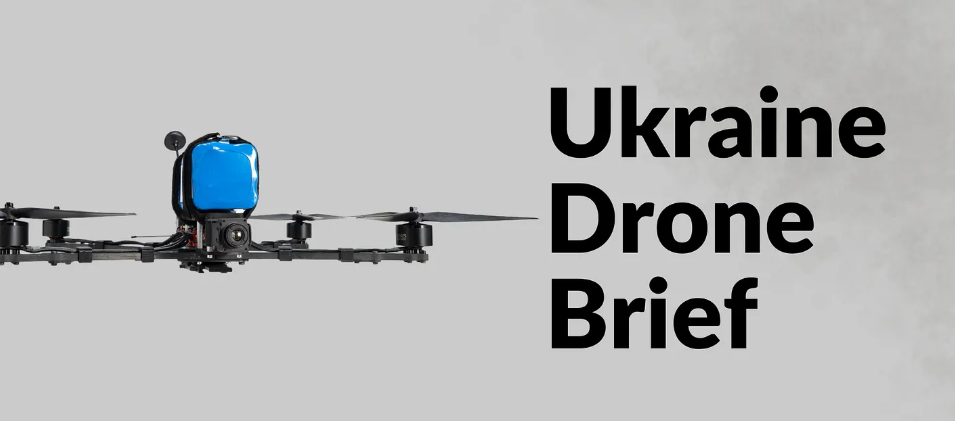
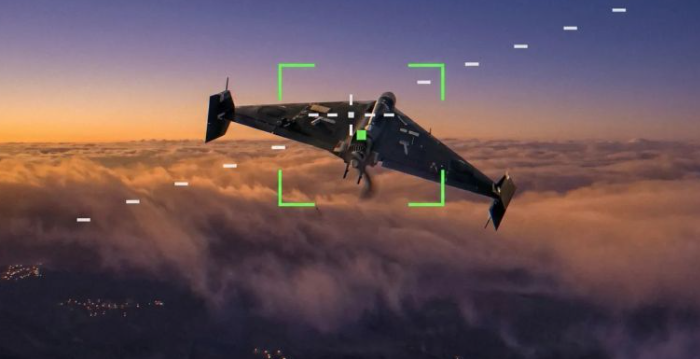
Low-cost commercial drones modified for military use have emerged as effective tools capable of challenging traditional military advantages. Equipped with cameras, communication systems and improvised explosive devices, these platforms allow armed groups to observe positions, direct attacks and strike targets from above.
The significance of this evolution extends beyond the individual attacks themselves.
Military strategists increasingly describe drones as a democratization of air power. Technologies that were once available only to states with advanced defense budgets can now be acquired, modified and deployed at relatively low cost. This lowers the barriers to entry for armed groups and changes the balance between state and non-state actors.
Ukraine has become the world's most important laboratory for this transformation.
The conflict has accelerated innovation at extraordinary speed. New drone designs, electronic warfare systems, communication methods and battlefield tactics are being developed and adapted continuously. What once required years of testing is now evolving in months or even weeks.
Experts warn that innovations rarely remain confined to one conflict zone.
Throughout history, military technologies developed in major wars have eventually spread across regions and theaters of operation. Today, the process is far faster due to globalization, digital communication and the widespread availability of commercial technology.
In Colombia, officials report a sharp increase in drone-related incidents. Security forces have responded by investing heavily in counter-drone capabilities, including electronic warfare systems designed to disrupt communications between drones and their operators.
Yet this has rapidly become an arms race.
As authorities improve jamming technologies, operators seek methods to overcome them. New communications approaches, alternative navigation systems and other adaptations continue to emerge. The cycle of innovation and counter-innovation resembles trends seen in conflicts around the world.
The challenge is not only technological but strategic.
For military planners, the question is no longer whether drones will be present on the battlefield. The question is how to operate effectively in an environment where aerial threats can emerge from countless directions at minimal cost.
The implications extend beyond Colombia.
Governments worldwide are closely studying how inexpensive unmanned systems are reshaping security challenges. Critical infrastructure, military bases, border regions and urban centers are all increasingly affected by technologies that were once considered niche capabilities.
What makes this development particularly significant is its accessibility.
Unlike fighter aircraft, attack helicopters or advanced missile systems, many drone platforms can be assembled using commercially available components. The technological threshold is lower, but the operational impact can be substantial.
For Colombia, this shift represents one of the most important military challenges in decades. For the international community, it serves as another reminder that emerging technologies are transforming conflicts at an extraordinary pace.
The story is no longer simply about drones.
It is about how knowledge travels across borders, how innovation migrates between conflicts, and how modern warfare increasingly rewards adaptability over size.
The battlefields of the future may be separated by oceans and continents.
But the technologies shaping them are becoming remarkably connected.