Built for the Storm. IPET’s N-Series Is Rewriting the Rules of Drone Power Systems

In an industry obsessed with lighter frames and longer flight times, IPET is making a bold—and unapologetically different—statement: survival is the new performance. With the launch of its N-Series integrated propulsion systems, the company is targeting one of the most punishing frontiers in drone technology—the ability to operate flawlessly in environments where failure is simply not an option.
This is not just another incremental upgrade. It is a deliberate strike against complexity, fragility, and inefficiency that have long plagued professional drone operations.
Where Others Stop, N-Series Starts
Rain. Dust. Salt. Turbulence. These are the silent killers of UAV performance—conditions that quietly erode reliability and inflate maintenance costs. The N-Series confronts this reality head-on with IP66 and IP67-rated protection, ensuring resistance against heavy rain, airborne particles, and even full submersion up to one meter.
But protection alone is not innovation. The real disruption lies beneath the surface.
A 120-hour salt spray endurance capability signals a system engineered for coastal surveying, marine inspections, and rescue missions where corrosion can shut down conventional systems in weeks. N-Series doesn’t just endure—it outlasts.
Integration: The Kill Switch for Complexity
The drone industry has long accepted a cumbersome truth: matching motors, ESCs, and propellers is a technical headache. IPET’s answer is radical simplicity.
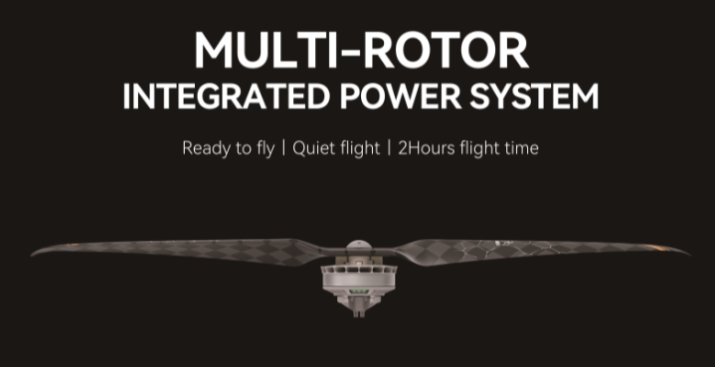
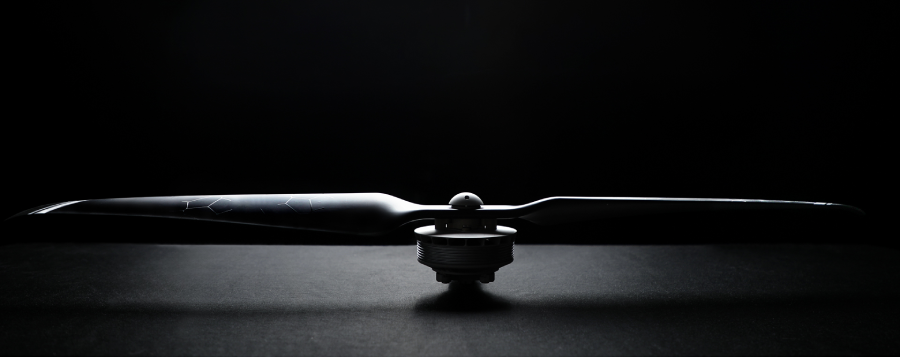
The integrated N-Series variants eliminate the guesswork entirely. Motor, ESC, and propeller come as a pre-optimized unit—designed to work in harmony from day one. This isn’t convenience; it’s operational efficiency multiplied.
For system engineers and fleet operators, this means faster deployment, fewer compatibility failures, and significantly reduced setup time. In high-pressure missions—disaster response, industrial inspections, military logistics—those minutes matter.
And for those who demand absolute control, the N8L variant offers modular flexibility, proving that IPET understands both ends of the market spectrum.
Power That Doesn’t Blink
Performance metrics tell a compelling story. With propulsion systems supporting quadcopters from 10 kg up to 25 kg MTOW, and continuous power outputs reaching over 800W, the N-Series doesn’t just carry payloads—it commands them.
But raw power is only half the equation.
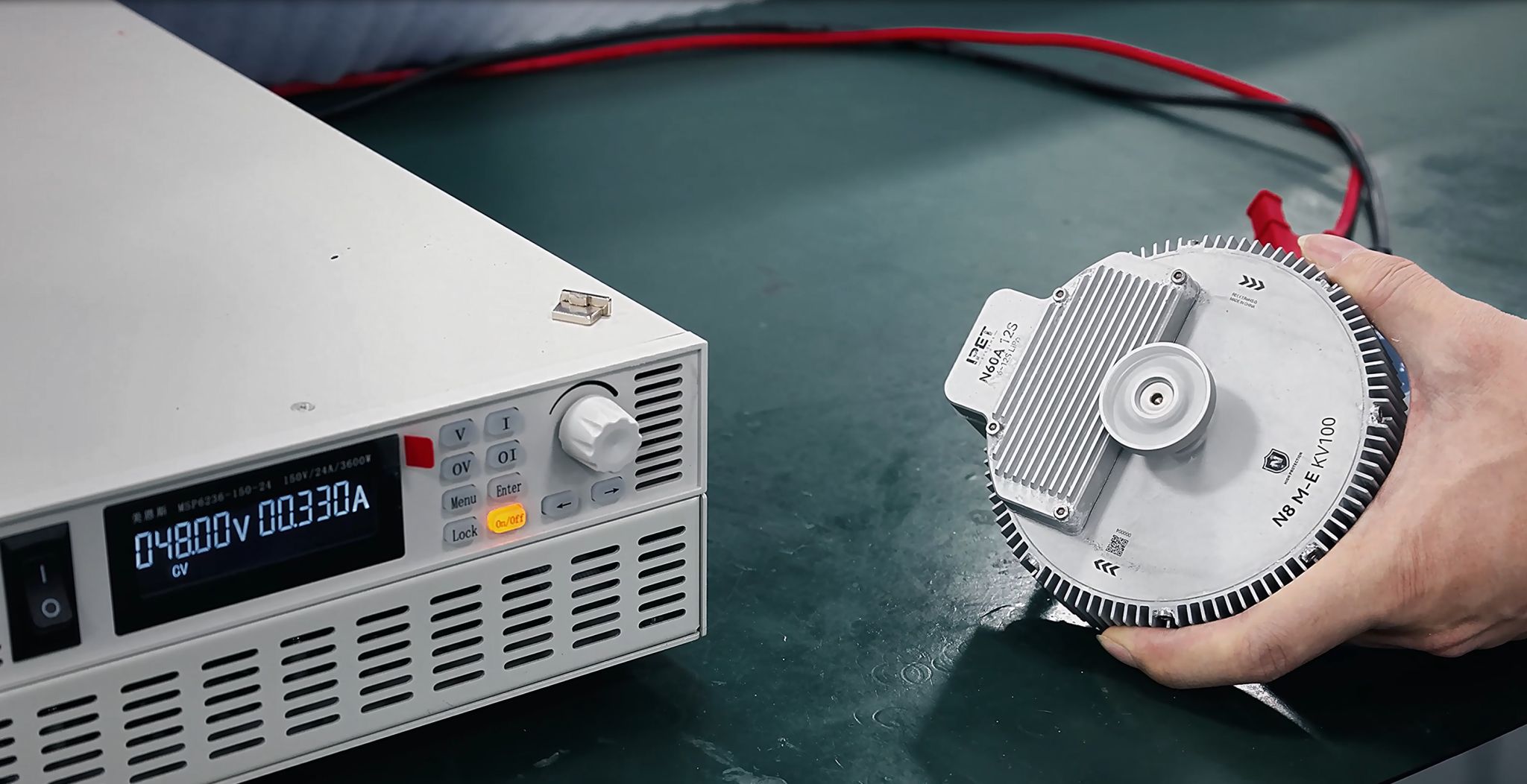
IPET’s thermal strategy—combining radial heat sinks with propeller airflow—creates a self-sustaining cooling ecosystem. This allows sustained high-performance operation without thermal degradation, a critical limitation in many competing systems.
Shorter wiring between ESC and motor further minimizes power loss, squeezing every available watt into actual thrust.
Engineering Confidence Into Every Rotation
The mechanical design leaves little to chance. A triple-bearing anti-wobble configuration enhances stability and extends motor lifespan—addressing a known weakness in high-load UAV applications.
Meanwhile, a reinforced, explosion-proof rotor sleeve introduces an additional layer of safety, mitigating catastrophic failures even under extreme mechanical stress.
Add to that integrated monitoring systems with over-current, over-voltage, and stall protection, and the picture becomes clear: this is not just a power system—it is a safety system.
Precision Meets Responsiveness
High-efficiency square-wave control delivers lightning-fast motor response, enabling precise maneuvering even under load. At the same time, proprietary startup algorithms ensure smooth initialization, reducing wear and extending system longevity.
It’s a balance rarely achieved—aggressive responsiveness paired with long-term reliability.
A New Standard for Mission-Critical UAVs
The N-Series isn’t trying to compete in the consumer drone space. It is unapologetically built for professionals operating at the edge—where conditions are hostile, downtime is unacceptable, and failure carries real-world consequences.
IPET is not just refining propulsion technology. It is redefining what operators should expect from it.
And in doing so, it is setting a new, uncompromising benchmark:
Not just to fly—but to fly no matter what.