Billions on the Table, Bottlenecks Everywhere - Germany’s Struggle to Rebuild Military Power
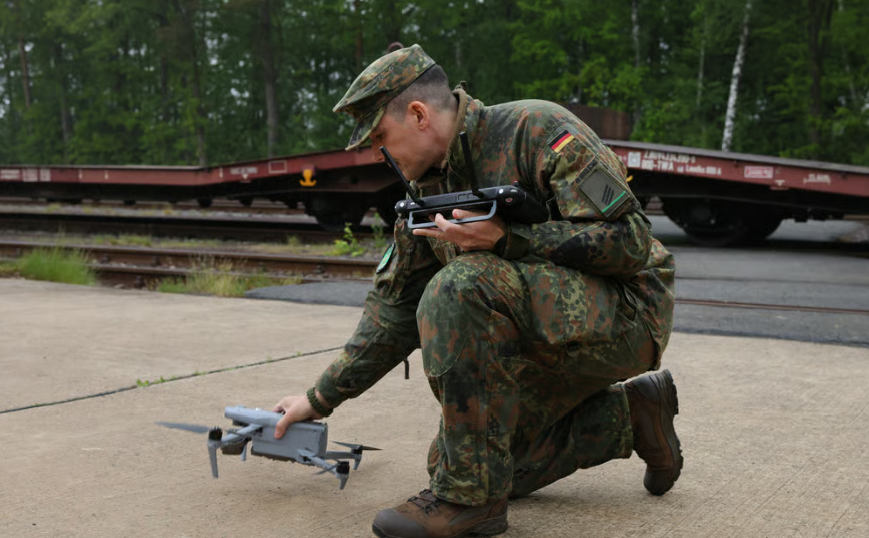
Germany has opened the financial floodgates—but its military machine is still stuck in slow motion.
One year after Chancellor Friedrich Merz boldly declared that Germany would build “the strongest army in Europe,” reality is proving far more complicated. The political will is there. The funding is secured. But transforming billions of euros into operational capability—tanks, missiles, aircraft—is exposing deep structural weaknesses in Germany’s defense ecosystem.
The challenge is not money. It’s the system.
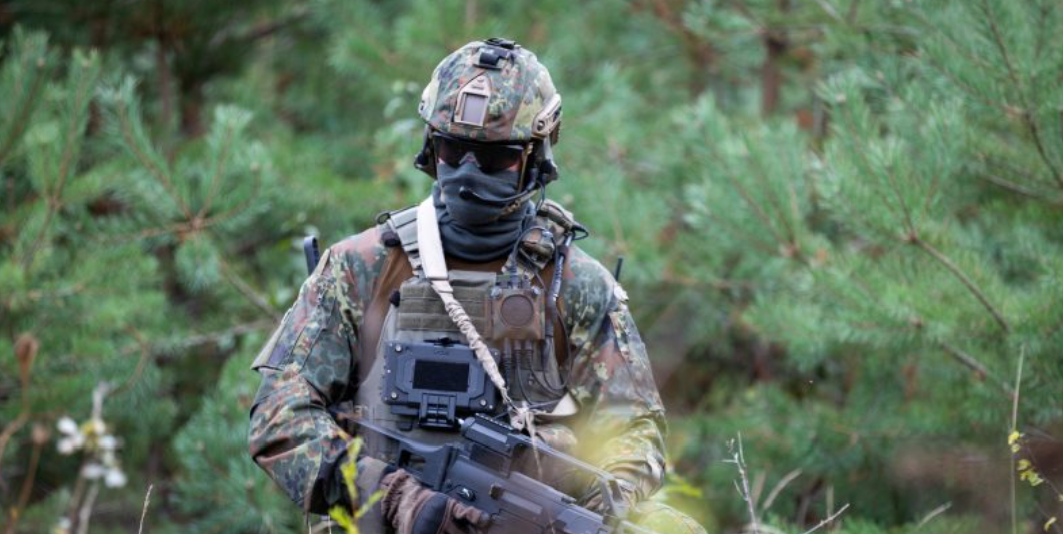
Berlin’s rearmament push is a direct response to Russia’s full-scale invasion of Ukraine, a geopolitical shock that forced Germany to abandon decades of military restraint. After years of underinvestment, outdated equipment, and strategic hesitation, the Bundeswehr is now expected to pivot rapidly into a modern, combat-ready force.
But speed is precisely what Germany’s system was never designed for.
At the core of the problem lies an uncomfortable contradiction: Germany is trying to accelerate rearmament using a framework built for caution, oversight, and risk avoidance. The result is friction—constant, systemic, and increasingly visible.
The first bottleneck is procurement itself.
Germany’s defense acquisition process, managed by the sprawling BAAINBw agency with nearly 13,000 employees, was designed to ensure legal compliance, technical perfection, and long-term reliability. These safeguards—while essential in peacetime—have turned into obstacles under pressure. Even agency leadership admits the need for drastic simplification, with dozens of procedural rules already scrapped to gain speed.
Yet reforming procurement is not like flipping a switch. Defense Minister Boris Pistorius compared the process to “open-heart surgery”—a transformation that must happen fast, but without collapsing the system entirely. Critics argue that the deeper issue is cultural: a reluctance to take responsibility, creating what watchdogs call a “system of organized irresponsibility.”
The second bottleneck is industry capacity.
Germany boasts one of the most powerful defense industries in the world. Companies like Rheinmetall have ramped up production dramatically, even surpassing global competitors in certain segments such as artillery shells. But scaling up to meet future demand is not simply a matter of turning on machines.
Industry leaders are clear: they need long-term contracts, predictable demand, and strategic clarity before investing billions into new production lines. Without that certainty, expansion becomes a financial risk. Meanwhile, the government expects companies to move faster—creating a classic standoff between public ambition and private caution.
The numbers underline the gap. Future demand for defense equipment could far outpace current industrial output, raising a fundamental question: can Germany’s industry keep up with the pace of geopolitical reality?
The third bottleneck is political architecture.
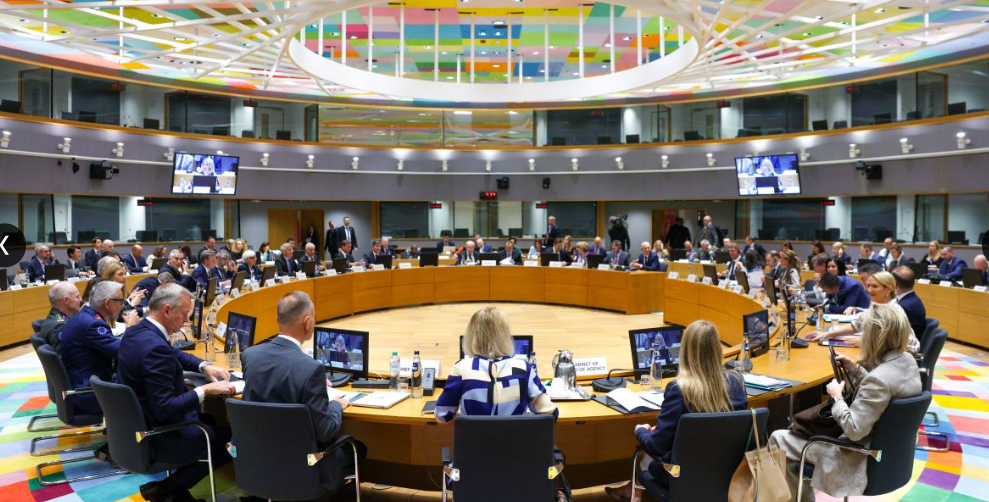
Germany’s postwar system deliberately places strict parliamentary oversight on defense spending. Any procurement project above €25 million must be approved by the Bundestag’s budget committee. This reflects historical caution—and ensures democratic control.
But in a crisis-driven environment, these safeguards can slow decisions to a crawl.
Lawmakers themselves are divided. Some insist that strong oversight must remain non-negotiable, especially with defense budgets reaching unprecedented levels. Others warn that without procedural reform, Germany risks missing its own rearmament targets.
The dilemma is clear: speed versus control. Efficiency versus accountability.
Attempting to resolve this, the government is working on new legislation aimed at streamlining procurement and shifting from fragmented project-by-project approvals to long-term capability planning. But details remain unclear—and time is not on Germany’s side.
Because the strategic context is unforgiving.
Security fears are rising across Europe. Scenarios involving increased Russian aggression and reduced U.S. military presence are no longer hypothetical—they are actively shaping defense planning. In this environment, delays are not just bureaucratic inefficiencies. They are strategic risks.
Germany is, in many ways, trying to rebuild a military ecosystem that was never designed for urgency. Decades of peace dividend thinking, regulatory layering, and industrial caution cannot be undone overnight.
What’s happening now is more than a procurement challenge—it’s a systemic stress test.
Germany has the ambition. It has the resources. What it lacks—at least for now—is the ability to translate both into rapid, coordinated action.
The question is no longer whether Germany wants the strongest army in Europe.
It’s whether its system will allow it.