Anduril Industries: No Runway. No Warning. No Excuse. The Rise of Instant Warfare
For more than a century, military power depended on infrastructure.
Air power needed airfields. Artillery needed prepared positions. Missiles required launch platforms. Logistics dictated strategy, and strategy dictated movement.
That era is rapidly coming to an end.
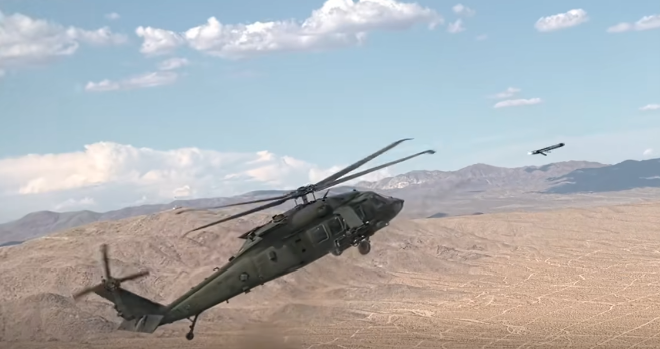
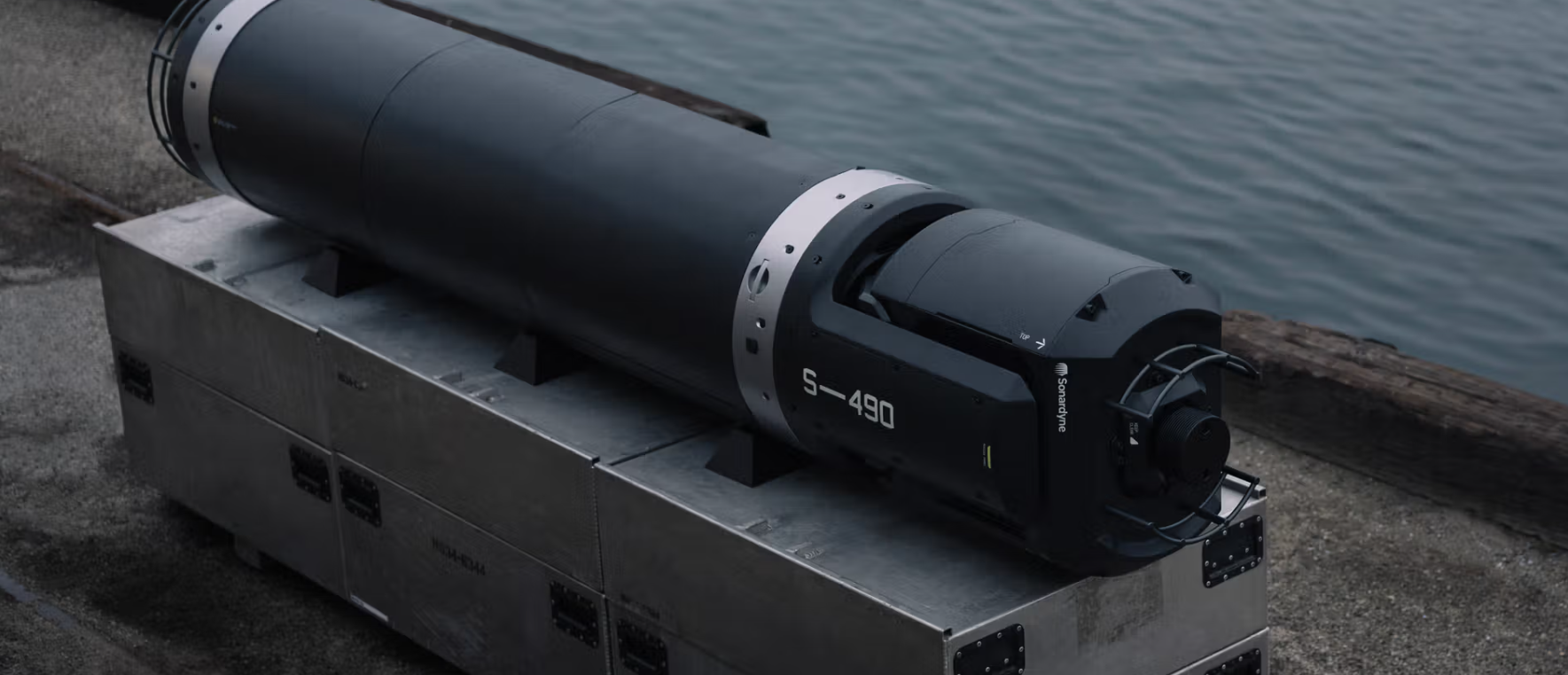
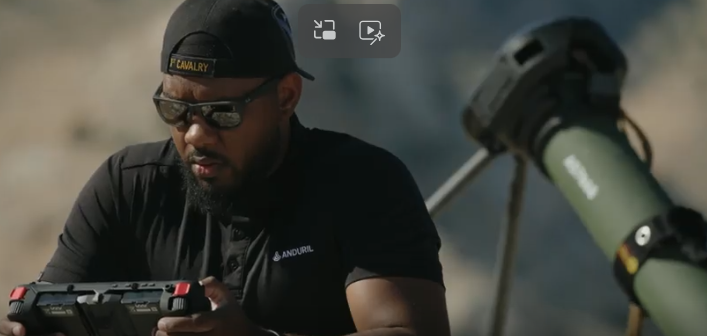
The first images of Anduril's Altius-600 Tactical Launcher reveal something deceptively simple: a launch system that requires no rail, no dedicated vehicle, and no fixed launch site. A system that can move with maneuver forces and launch within seconds.
At first glance, it looks like another drone innovation.
In reality, it represents something far more significant.
It is another step toward a battlefield where military capabilities no longer depend on infrastructure but on mobility.
And that changes everything.
The war in Ukraine has already demonstrated that static positions are increasingly vulnerable. Satellites can identify them. Drones can locate them. Long-range precision fires can destroy them. Anything that remains visible long enough eventually becomes a target.
The lesson is brutal.
If the enemy can find you, the enemy can hit you.
Modern combat is forcing military forces to rethink one of their oldest assumptions: bigger is not always better.
The future belongs to systems that are faster, smaller, distributed, and harder to predict.
This is precisely where launched effects are becoming transformative.
Traditional military planning often separates sensors, weapons, and decision-makers into distinct platforms. A reconnaissance asset finds the target. Command analyzes the information. A separate weapon engages.
The process works.
But it takes time.
And on today's battlefield, time has become the most valuable commodity.
Loitering munitions and launched effects compress the entire kill chain. Detection, identification, targeting, and engagement can occur within minutes. Sometimes within seconds.
The Altius concept pushes this evolution even further.
Instead of relying on large launch platforms or centralized deployment locations, small tactical units gain direct access to advanced aerial capabilities. A maneuver squad moving through complex terrain can launch reconnaissance or strike assets immediately when needed.
No airfield required.
No lengthy setup process.
No waiting for higher headquarters.
The implications are profound.
Military power is becoming decentralized.
For decades, technological superiority was largely concentrated within major platforms: fighter aircraft, tanks, warships, and strategic missile systems. Tomorrow's advantage may increasingly belong to the unit capable of deploying intelligent, networked systems fastest.
This is not simply about drones.
It is about tempo.
Every major conflict is ultimately a competition between decision cycles. The side that identifies threats faster, adapts faster, and acts faster gains a decisive advantage.
Technology is increasingly optimizing for that reality.
Artificial intelligence accelerates targeting.
Autonomous systems expand operational reach.
Distributed networks improve resilience.
Portable launch solutions eliminate delays.
Together, these developments are transforming military operations from platform-centric warfare into software-driven warfare.
The platform matters less.
The network matters more.
Perhaps the most important aspect of systems like the Altius launcher is not what they launch, but what they represent.
A broader shift away from military infrastructure dependence.
Future forces may rely less on permanent installations and more on mobile, adaptable capabilities that can appear, strike, disappear, and relocate before an adversary can respond.
The battlefield becomes fluid.
Front lines become blurred.
Predictability becomes a vulnerability.
For military planners worldwide, this creates difficult questions. How do you defend against threats that can launch from almost anywhere? How do you secure traditional assets when increasingly capable systems can be deployed by small teams operating independently?
The answers remain uncertain.
What is clear is that warfare is entering a new phase.
The age of fixed launch sites is giving way to the age of mobile effects.
And in that future, the most dangerous weapon may not be the one with the greatest firepower.
It may be the one that appears without warning.