War at the Speed of Software - Anduril Is Rewiring Missile Defense in the Pacific
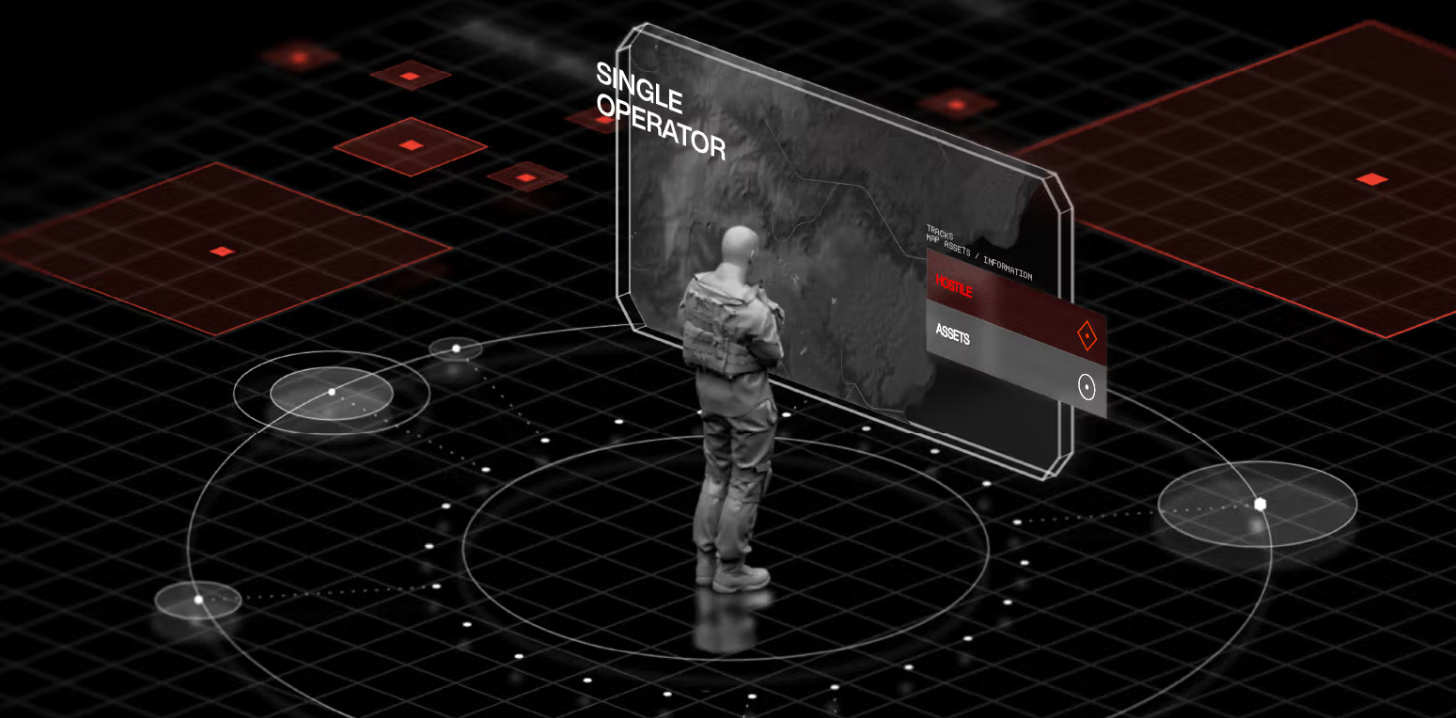
In the vast and increasingly contested expanse of the Western Pacific, missile defense is no longer just about interceptors, radars, or ships. It’s about data—and more importantly, what you can do with it in seconds. That is the strategic tension behind the U.S. Army’s decision to award Anduril Industries a contract to develop a new battle management system powered by its Lattice software platform.
At its core, this move signals a profound shift: modern defense is becoming software-first.
The challenge the military faces is not a shortage of sensors or weapons. Quite the opposite. The Western Pacific already operates a layered defense network composed of systems from multiple services—naval radar, ground-based interceptors, airborne sensors, and more. The problem is that they often operate in silos. Human operators must manually piece together fragmented data from separate systems, a process that consumes time in scenarios where seconds determine success or failure.
That delay is precisely what Anduril is aiming to eliminate.
Through its Lattice platform, the company is proposing something radically different: a single, unified operating layer that connects all sensors and defensive assets into one real-time picture. Instead of switching between screens and systems, commanders receive a consolidated view of incoming threats, continuously updated as new data arrives.
This is not just about visibility—it’s about speed.
In modern missile defense, threats are no longer simple, single-vector events. They are layered, multi-domain attacks involving ballistic missiles, cruise missiles, and potentially autonomous systems. Responding effectively requires more than detection; it requires rapid coordination between systems that were never originally designed to work together. That coordination, Anduril argues, can only be achieved through software.
Lattice tackles this by dynamically assigning tasks to sensors and systems. Instead of operators manually deciding which asset should track or engage a threat, the system automatically optimizes these decisions based on real-time conditions.
This approach fundamentally changes the decision-making process. It reduces the cognitive load on human operators and compresses the time between detection and action—a critical advantage in high-speed conflict scenarios.
But perhaps the most disruptive aspect of this system is its architecture.
Lattice is built as a modular, open system, designed to integrate both existing and future technologies. This means new sensors, platforms, or weapons can be added without redesigning the entire system.
In a rapidly evolving threat environment, that flexibility is as important as capability. Military systems traditionally take years—or even decades—to upgrade. A software-centric model reduces that timeframe dramatically, allowing defense networks to adapt at the pace of technological change.
Simulation and modeling further extend this capability. By running high-fidelity virtual scenarios, the system can test and refine responses to potential threats before they occur.
This transforms missile defense from a reactive process into something more predictive—anticipating threats rather than merely responding to them.
The strategic implications are significant.
Missile defense in the Western Pacific is not just about physical protection—it is about deterrence. A system that can respond faster and more effectively makes adversaries think twice before launching an attack. By strengthening decision speed and coordination, Anduril’s solution aims to reinforce that deterrence, ensuring that the U.S. and its allies maintain operational freedom in the region.
Yet this shift also raises broader questions about the future of warfare. As systems become more autonomous and data-driven, the balance between human control and machine decision-making becomes increasingly complex. While Lattice enhances human decision-making rather than replacing it, the trajectory is clear: speed will increasingly depend on automation.
In the end, the Anduril contract is about more than one platform. It is a signal that the battlefield is evolving—from hardware-dominated systems to integrated digital ecosystems.
Missiles may still define the threat. But in modern warfare, it is software that decides the outcome.