The World Cup’s Invisible Threat. Why Sentrycs Has Become as Important as Stadium Security
Protecting a FIFA World Cup meant securing stadium perimeters, screening spectators, monitoring transportation hubs, and coordinating thousands of security personnel. Today, however, a new threat has emerged from an entirely different direction: the sky.
Unauthorized drones have rapidly become one of the most significant security challenges facing organizers of major sporting events. Once viewed as hobbyist gadgets, drones are now capable of carrying sophisticated cameras, disrupting operations, violating restricted airspace, and, in extreme cases, posing direct safety risks. As global events attract millions of spectators and billions of television viewers, low-altitude airspace has become a critical security domain.
The numbers tell the story.
Security teams worldwide are reporting a steady increase in unauthorized drone activity around stadiums, fan zones, airports, and other high-profile venues. What was once considered a rare occurrence has become an operational reality. The challenge is no longer determining whether unauthorized drones will appear—it is determining how quickly they can be detected, identified, and managed without affecting legitimate activities or disrupting the event itself.
This changing threat landscape is driving a silent revolution in event security.
Unlike traditional aerial threats, small drones can be difficult to detect using conventional radar systems. Their low altitude, compact size, and ability to operate in complex urban environments create significant challenges for security operators. As a result, major events increasingly rely on specialized Counter-Unmanned Aircraft Systems (C-UAS) designed specifically to address these emerging risks.
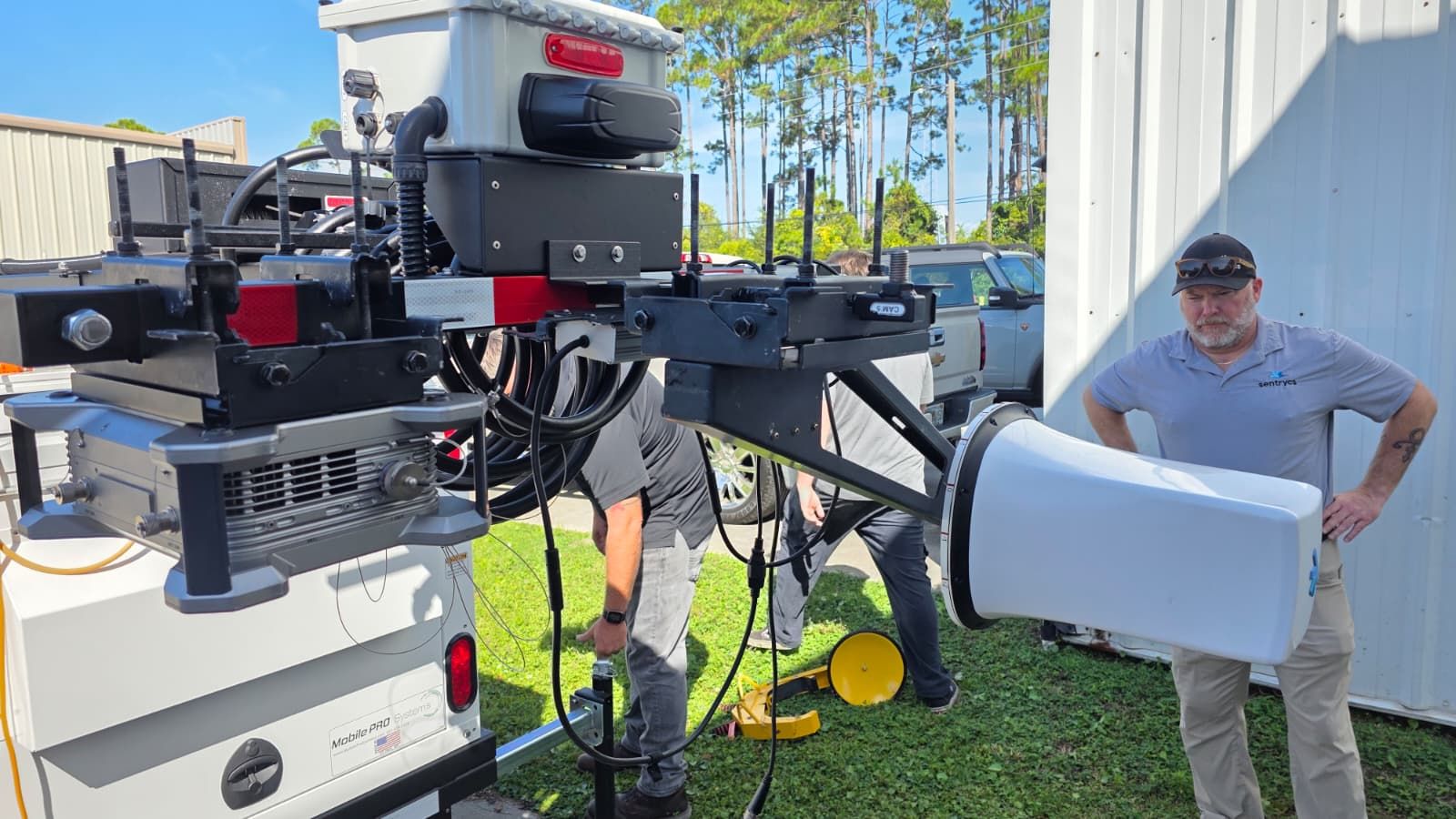
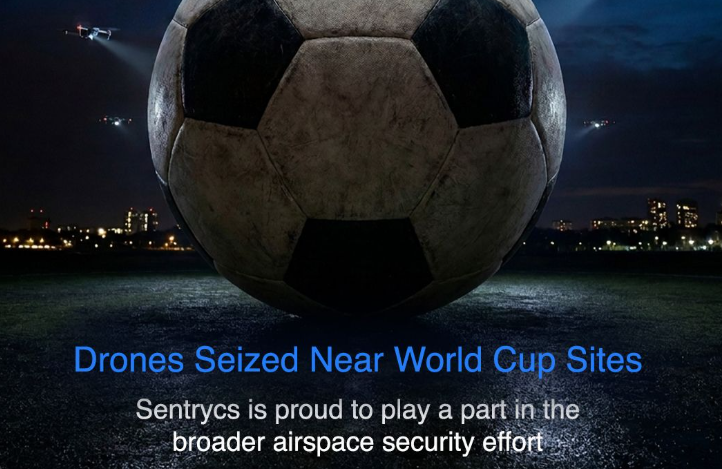
Among the companies contributing to this evolving security ecosystem is Sentrycs, whose technology focuses on protecting low-altitude airspace. The company has highlighted its role in supporting broader security efforts surrounding the FIFA World Cup 2026, emphasizing precision detection, control, and operational continuity.
The significance of this mission extends far beyond protecting athletes and spectators.
Today's major sporting events function as temporary smart cities. A single World Cup venue may involve transportation infrastructure, media operations, emergency services, broadcasting equipment, VIP movements, and thousands of connected devices operating simultaneously. Any disruption to this ecosystem can have cascading effects on safety, logistics, and the spectator experience.
The drone challenge becomes even more complex when considering the growing accessibility of unmanned technologies. Commercial drones are now cheaper, more capable, and easier to operate than ever before. Advanced navigation systems, long-range communications, and autonomous flight capabilities mean that even inexperienced operators can potentially create significant security concerns.
For security planners, this reality demands a shift in mindset.
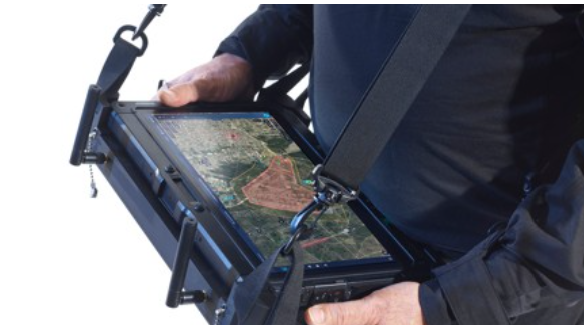
The objective is no longer simply perimeter protection. Modern security strategies increasingly include comprehensive airspace awareness, providing operators with real-time visibility into aerial activity around critical venues. Early detection allows security teams to assess potential risks and respond appropriately before incidents escalate.
Importantly, the future of counter-drone security is not solely about stopping threats. Equally vital is distinguishing between authorized and unauthorized aerial platforms. Major events increasingly rely on drones for broadcasting, media coverage, inspections, and logistics. Effective airspace security therefore requires intelligent identification and management rather than blanket restrictions.
The FIFA World Cup 2026 may ultimately be remembered not only for performances on the pitch but also for the technologies operating behind the scenes. While fans focus on goals, celebrations, and historic moments, a sophisticated network of sensors, software, and security systems will work continuously to protect venues and maintain safe operations.
This transformation reflects a broader trend affecting governments, critical infrastructure operators, airports, and public-event organizers worldwide. The rise of drones has fundamentally changed how security professionals think about risk.
The sky above a stadium is no longer empty space.
It has become a strategic environment that must be monitored, protected, and managed with the same rigor applied to every gate, fence, and checkpoint on the ground.
As global events continue to grow in scale and complexity, one thing is becoming increasingly clear: airspace security is no longer a niche capability. It has become a critical pillar of modern event protection.
And in that new security landscape, technologies designed to detect and manage unauthorized drones may prove just as important as the security personnel standing at the gates.