The First Drone That Lands on Waves: Is German HoverAir Aqua from Zero Zero Robotics About to Replace Action Cameras?
For years, action cameras have been the go-to solution for surfers, kayakers, paddleboarders, and outdoor athletes looking to capture their adventures. The formula was simple: mount a camera, press record, and hope the footage turns out well.
But what if the camera could fly?
And what if it could land directly on the water, float between waves, take off again, and follow you autonomously without requiring a pilot?
That is precisely the vision behind the new HoverAir Aqua from Zero Zero Robotics.
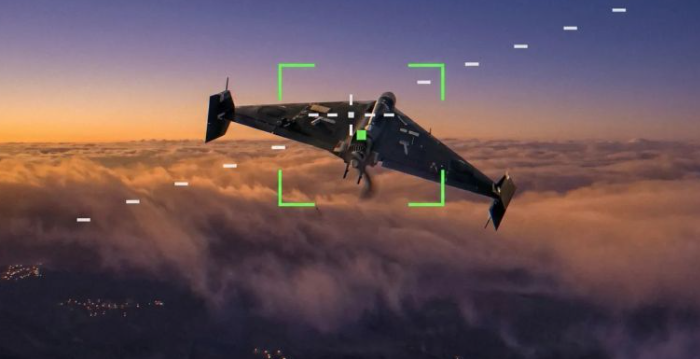
The Chinese drone manufacturer has introduced what may be one of the most specialized consumer drones ever brought to market. Unlike traditional camera drones designed primarily for aerial photography, the HoverAir Aqua has been built specifically for watersports and outdoor adventure.
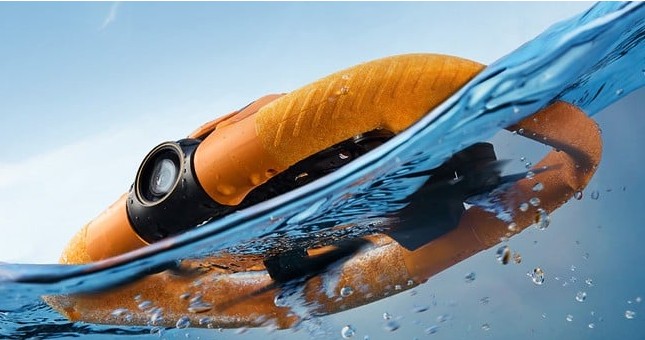
Its most eye-catching feature is simple yet revolutionary: it can land directly on water.
Thanks to an IP67-rated waterproof design, the drone can float on the surface, withstand splashes, and relaunch from the water. For surfers waiting for the next wave, kayakers exploring remote rivers, or paddleboarders crossing open water, this capability eliminates one of the biggest limitations of conventional drones.
Traditionally, operating a drone near water has been stressful. Pilots must constantly worry about emergency landings, battery limitations, and the risk of losing an expensive aircraft to the sea. HoverAir Aqua turns water from a threat into a landing pad.
The technology behind the platform is equally interesting.
The drone weighs just 249 grams, placing it in the European C0 category. This means users can fly it without obtaining a drone pilot license, significantly lowering the barrier to entry for recreational users.
At its core is a 1/1.28-inch CMOS sensor capable of recording 4K video at up to 100 frames per second. This allows smooth slow-motion footage of fast-moving activities such as surfing, kitesurfing, wakeboarding, or jet skiing.
Rather than relying on manual piloting skills, HoverAir Aqua focuses heavily on automation. Built-in AI tracking enables the drone to identify and follow users autonomously. Athletes can focus on their activity while the drone handles framing, positioning, and flight adjustments.
This approach reflects a broader trend in consumer technology. Increasingly, the goal is not to provide more controls but fewer. Instead of learning complex flight techniques, users simply become the subject while artificial intelligence acts as the camera operator.
One particularly clever addition is the integrated millimeter-wave radar system. The radar measures wave conditions and water surface movement, helping the drone determine safe landing opportunities. While this may sound like a minor feature, it addresses one of the biggest engineering challenges of operating autonomous aircraft above moving water.
Performance is also respectable. HoverAir Aqua reaches speeds of up to 55 km/h and can withstand wind speeds of approximately 18.3 meters per second, making it suitable for many coastal and marine environments where traditional lightweight drones often struggle.
However, the drone is not without compromises.
The most obvious is price. Starting at €1,299 for the Standard Combo and reaching €1,499 for the Fly More package, HoverAir Aqua sits firmly in the premium segment. Many consumers will inevitably compare it to a GoPro or Insta360 setup costing significantly less.
The second limitation is image quality expectations. While 4K 100fps is impressive, some competing premium camera systems now offer 8K recording. For professional creators focused purely on image specifications, that may be a consideration.
Yet focusing solely on resolution risks missing the point.
HoverAir Aqua is not trying to be a better action camera. It is trying to eliminate the need for a camera operator altogether.
If successful, it could redefine how outdoor athletes capture their experiences. Instead of mounting cameras to helmets, boards, or boats, users simply perform while an intelligent flying camera documents the adventure from every angle.
For watersports enthusiasts, that may be worth far more than additional pixels.
%20(1)%20(1).jpg)