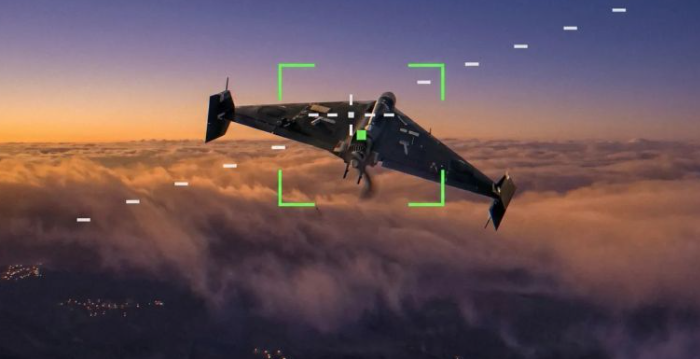
The FAA’s DETER Program Marks the End of Warnings and the Start of Drone Accountability

For years, drone enforcement in the United States followed a simple principle: educate first, punish later—if at all. That era is now officially over.
On April 16, 2026, the Federal Aviation Administration launched the Drone Expedited and Targeted Enforcement Response program, or DETER, a fast‑track enforcement regime that fundamentally reshapes how drone violations are handled. The program took effect the next day, signaling a decisive shift from advisory compliance toward formal, legally binding consequences—even for first‑time offenders.
The move reflects a new reality. Drones are no longer niche hobbyist tools operating largely out of sight. With Remote ID, real‑time law‑enforcement reporting, and integrated counter‑UAS detection systems, regulators now know who is flying, where, and when—and the FAA is no longer willing to look the other way.
For decades, the agency viewed itself primarily as a safety educator, not a punitive authority. That philosophy made sense when airspace violations were rare, detection was inconsistent, and most drone pilots were new. But according to the FAA, those conditions no longer exist. As drone operations scale—and as people and critical infrastructure on the ground face increasing exposure—the agency has concluded that leniency no longer deters unsafe behavior.
DETER is the FAA’s answer.
How DETER Works
Unlike traditional enforcement cases that can drag on for months, DETER compresses the entire process into days.
Under the program, the FAA identifies individual, first‑time operators whose violations are considered less severe—cases that fall short of reckless endangerment, criminal activity, or national‑security risks. If eligible, the operator receives a formal Notice of Violation by email and overnight mail, detailing the incident, the regulation violated, and the proposed resolution.
The trade‑off is stark. The operator has 10 days to accept a settlement that requires them to:
- Admit liability
- Waive all rights to appeal
- Comply with corrective actions, such as paying a reduced fine, completing training, or surrendering a Remote Pilot Certificate
In exchange, the FAA offers a faster and lighter penalty than traditional enforcement would impose. But the catch is permanent: once accepted, the violation becomes part of the operator’s official FAA record.
The program is intentionally narrow. Violations involving restricted airspace, temporary flight restrictions, weaponized drones, harassment, drug‑related activity, or reckless conduct are explicitly excluded. Those cases continue through standard enforcement channels, where penalties are higher and certificate revocation remains on the table.
Why DETER Matters
At its core, DETER is more than an administrative efficiency tool. It represents a cultural reset in how the FAA views drone operations—and how it expects operators to behave.
The program was introduced under the Restoring American Airspace Sovereignty Executive Order, which directed federal agencies to tighten enforcement against unauthorized drone activity. Improved detection technology has only amplified that mandate, flooding the FAA with actionable evidence and leaving little room for informal resolution.
Timing also matters. With high‑visibility events like the FIFA World Cup set to take place across multiple U.S. cities this summer, authorities cannot afford delayed enforcement in airspace monitored in real time. DETER allows the FAA to act at the same pace as modern detection systems—and just as visibly.
For drone operators, the message is clear: a first violation is no longer a warning. DETER is a one‑time option, not a courtesy, and declining it means facing the full enforcement process—longer, costlier, and potentially career‑ending.
In effect, the FAA is treating drones less like an emerging technology and more like a settled aviation category with established expectations and consequences.
A Sign of Maturity
DETER signals that the U.S. drone ecosystem has entered a new phase. As the airspace grows more crowded and surveillance more precise, enforcement is catching up. Innovation alone is no longer enough to justify flexibility.
Accountability is now part of the price of access to the sky.
%20(1).jpg)
.jpg)