T-DRONES and the Physics of Reliability: Why Carbon Fiber Decides Which Drones Survive Real Missions
Here’s an uncomfortable question for the drone industry:
Why do so many drones fail when conditions get serious?
It’s easy to blame software. Or pilots. Or weather. But more often than companies like to admit, the problem is physical. The airframe. The material. The decision to save money where performance actually begins.
Because no amount of code can fix a weak body.
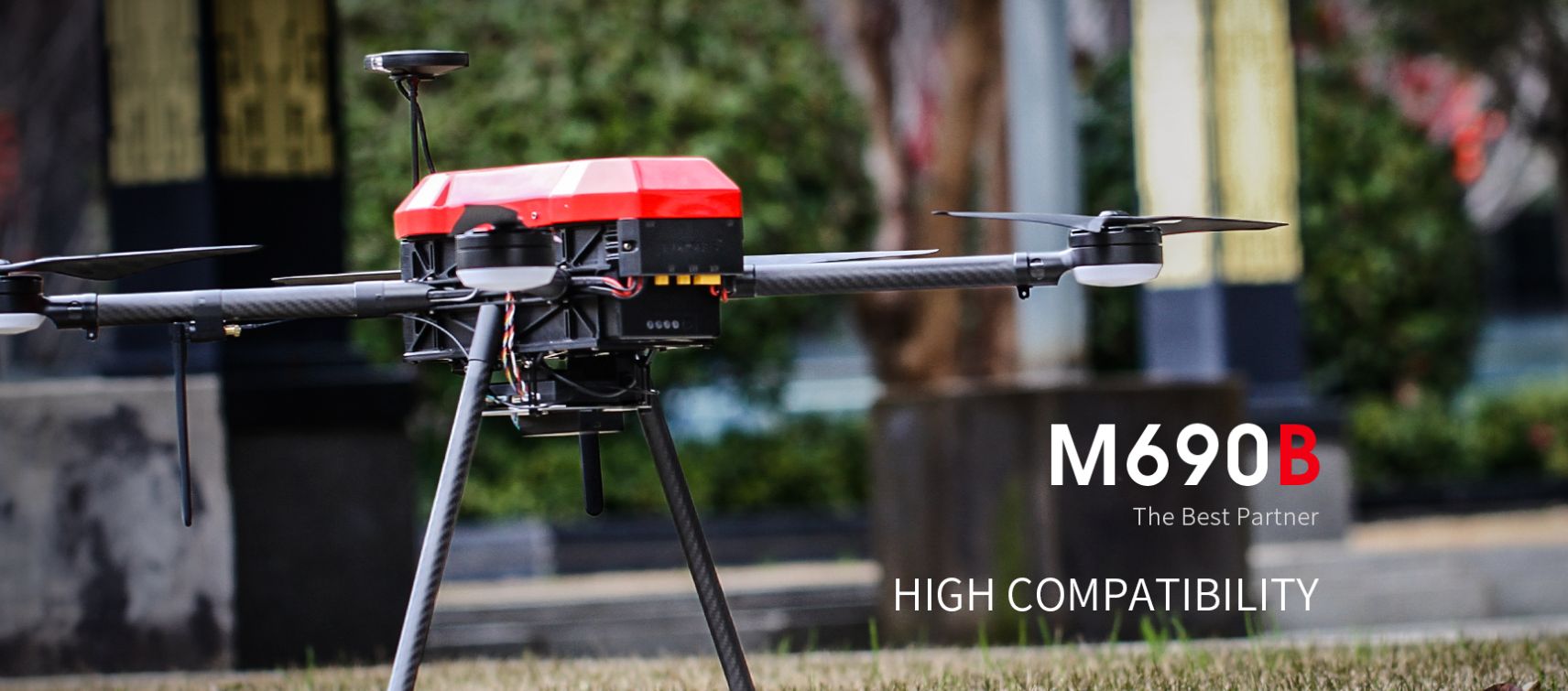
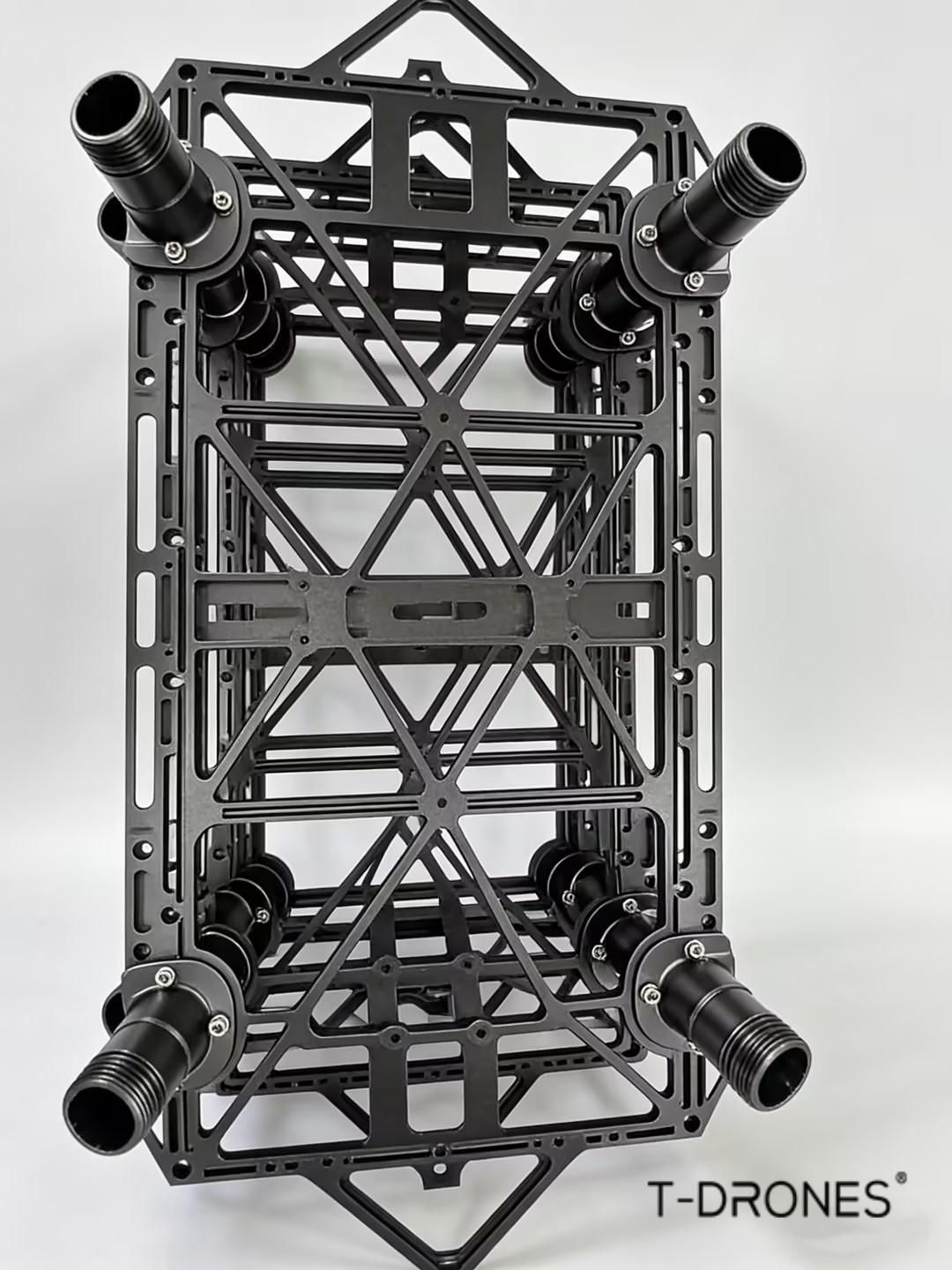
T-DRONES took a different path. Its multi-rotor platforms are built around a carbon fiber drone body — not as a marketing feature, but as a foundational design choice. And that choice reveals a clear philosophy: performance starts with physics.
Why carbon fiber?
Because weight is the enemy of endurance. Because structural weakness turns minor impacts into mission-ending failures. Because professional operations don’t happen in ideal conditions — they happen in heat, wind, dust, vibration, and stress.
Carbon fiber allows T-DRONES to reduce airframe weight by up to 30%. That isn’t a marginal improvement. That’s the difference between completing a mission and landing early. Between carrying the payload you need and leaving capability behind.
Ask yourself: how many drones claim long endurance but quietly rely on fragile frames to get there?
Lightweight doesn’t mean delicate — not when it’s done correctly.
Carbon fiber offers extremely high strength relative to its weight, allowing T-DRONES’ multi-rotor drones to withstand demanding operational environments. This is not about surviving lab tests. It’s about resisting real-world abuse: hard landings, transport stress, vibration fatigue, and repeated use in harsh conditions.
And then there’s the manufacturing process.
T-DRONES uses an integrated molding process for its carbon fiber drone body. That matters more than most people realize. Integrated molding reduces weak points, eliminates unnecessary joints, and creates a unified structure that resists impact, wear, and long-term degradation.
In other words, fewer failure points. Fewer surprises. Less downtime.
So why doesn’t everyone do this?
Because carbon fiber is harder. More expensive. Less forgiving in production. It requires precision, experience, and a willingness to prioritize long-term reliability over short-term savings.
Many manufacturers still design drones for showroom appeal, not sustained operations. They optimize for price tags and spec sheets, not for thousands of flight hours in unforgiving environments.
T-DRONES clearly made a different calculation.
Its carbon fiber drone body represents what could be called a professional-level physical manifestation — not an aesthetic upgrade, but a structural commitment. Every gram saved translates into extended flight endurance. Every increase in strength translates into operational confidence.
And confidence is what professionals actually buy.
Because when a drone is deployed for inspection, security, surveying, or industrial missions, failure isn’t just inconvenient — it’s expensive. It disrupts workflows, delays decisions, and erodes trust in the technology itself.
So here’s the real question:
Are drones tools you can rely on when conditions stop being friendly?
Or are they fragile machines built to look impressive but fold under pressure?
The answer often lies in the materials you never see in marketing photos.
T-DRONES’ carbon fiber design isn’t about chasing trends. It’s about acknowledging a basic truth: the airframe defines everything that follows. Sensors, batteries, motors — they all depend on a structure that can carry them efficiently, reliably, and repeatedly.
In the end, serious drone operations demand serious engineering.
And carbon fiber isn’t a luxury.
It’s a decision.
.png)