Ready-to-Market: Top 4 VTOL Drones Poised to Dominate 2026
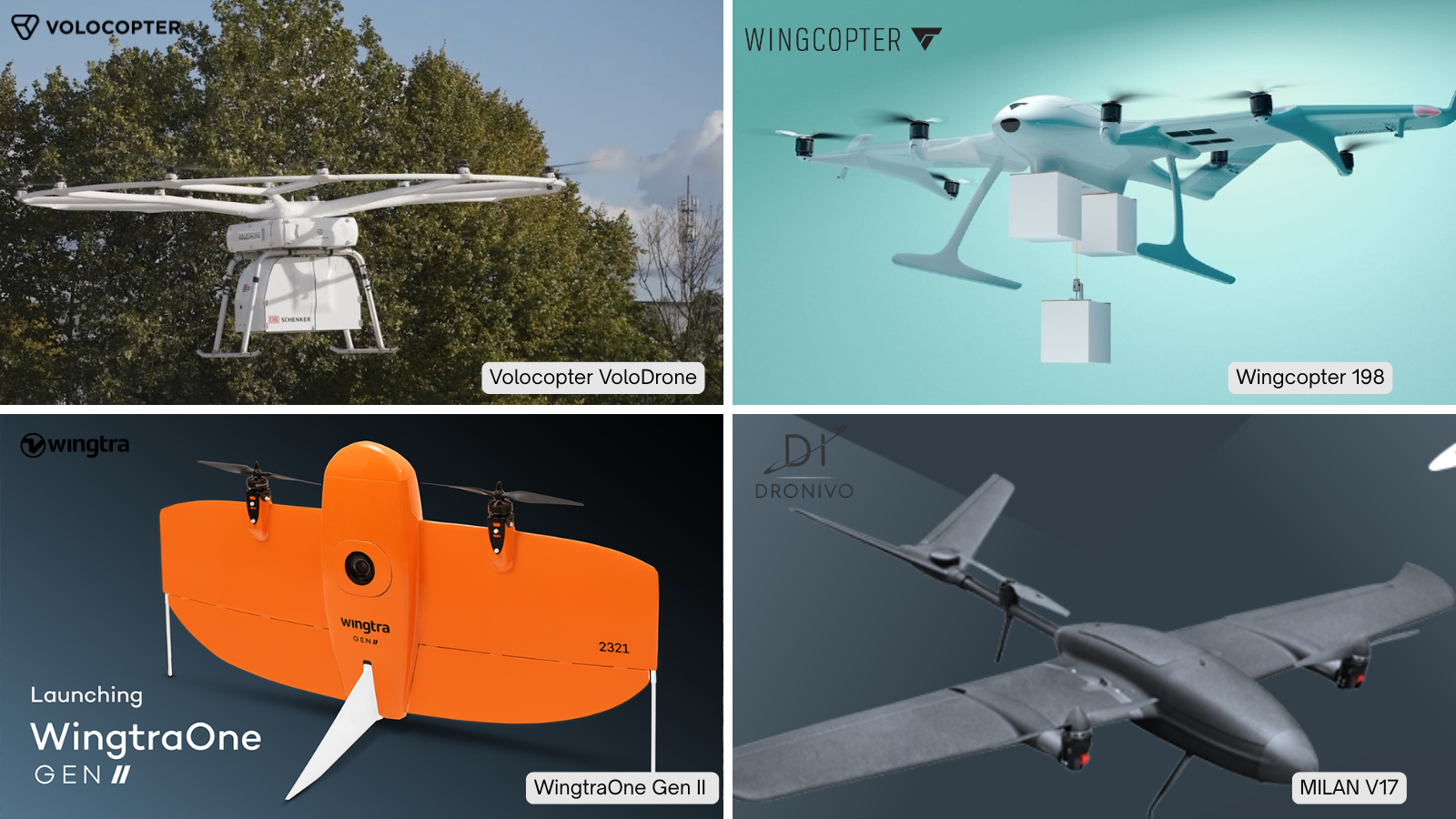
In 2026, vertical takeoff and landing (VTOL) drones are about to explode into industrial, commercial, and tactical reality — and the implications are enormous. The question is no longer whether drones can lift payloads, map cities, or deliver supplies. The question is: how prepared are we for drones that blur the line between aircraft, infrastructure, and autonomous workhorse?
Here’s a closer look at five VTOL drones poised to shake up the skies next year.
1. Volocopter VoloDrone — Heavy-Lift Urban Workhorse
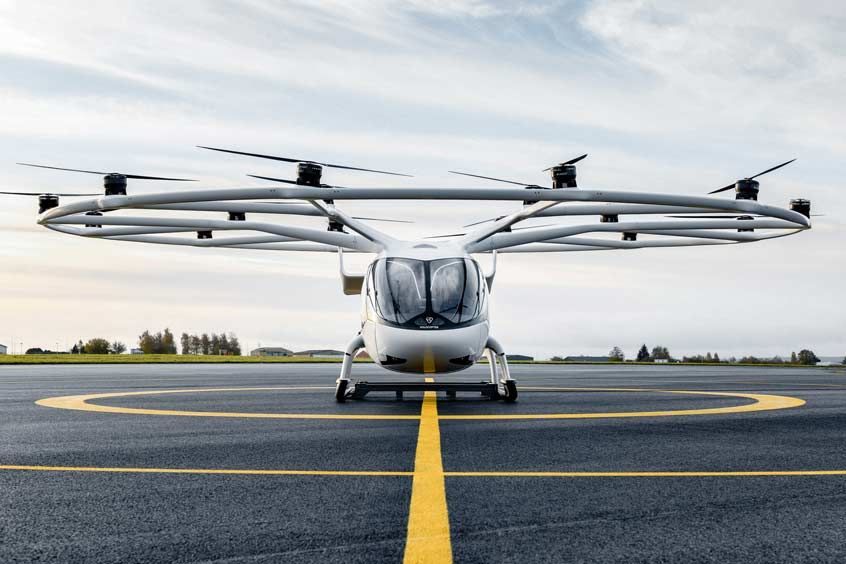
Volocopter is synonymous with air taxis, but the VoloDrone flips that narrative. Designed for heavy payloads in urban logistics and construction, it’s not a gimmick. Multiple motors, redundant propellers, and a large lift capacity make it industrial-ready. Imagine a small helicopter replaced by a drone: lifting tools, materials, or sensors across the city with precision and speed.
Why it matters: Beyond passenger transport, VoloDrone signals the rise of drones as functional, everyday machines capable of tasks that were previously impossible without ground vehicles or helicopters. In 2026, urban airspace won’t just be for flying taxis — it’ll be a working network of airborne cranes.
.png)
2. Wingcopter 198 — Precision Multi-Drop for Logistics
The Wingcopter 198 is quietly revolutionizing delivery. Its patented tilt-rotor technology can drop multiple packages in a single sortie. Rural villages, disaster zones, and remote medical facilities suddenly have reliable, rapid supply lines that don’t depend on roads, drivers, or helicopters.
Why it matters: Triple-drop efficiency isn’t just a metric; it’s a paradigm shift. Cost and time collapse when drones do the work humans once struggled with. By 2026, the Wingcopter 198 could become the backbone of last-mile logistics — and the blueprint for autonomous delivery systems worldwide.
.png)
3. WingtraOne Gen II — Mapping Without Runways
Enter WingtraOne Gen II, a VTOL drone marrying fixed-wing endurance with vertical flexibility. Surveyors, governments, and construction firms can now map large areas quickly and precisely without airports, catapults, or lengthy setup times. With payloads like LiDAR and multispectral sensors, this isn’t just a mapping drone — it’s a mobile intelligence platform.
Why it matters: The era of runway-dependent drones is ending. WingtraOne Gen II proves that VTOL can combine endurance and precision, turning aerial mapping into a plug-and-play operation.
.png)
4. German Dronivo MILAN-17 — Compact ISR Gamechanger
Not all innovation arrives in a blockbuster package. Germany’s MILAN-17 shows that small, tactical drones can punch well above their weight. Modular payloads, two hours of endurance, and backpack portability make it a quiet disruptor for police, border, and rapid-response teams.
Why it matters: Tactical ISR is going portable. By 2026, MILAN-17 demonstrates how rapid-deployment, modular VTOL drones could become everyday tools for security forces worldwide — small, fast, and persistent.
.png)
The Bigger Question: VTOL drones are no longer just flying gadgets. They are becoming infrastructure in the sky, performing logistics, surveillance, and industrial tasks autonomously and persistently. 2026 may not just be the year of VTOL drones; it may be the year we realize the skies above our cities, borders, and industries are now active operational theaters. Are we ready to integrate them — or will we be caught looking up in awe while someone else takes control?
.jpg)