Quantum Computing - Europe Builds the Future. America Buys It.

Quantum computing is supposed to be Europe’s next moonshot. The math is brilliant, the research is world-class, the talent undeniable. And yet, when the moment comes to scale—to grow, to win, to dominate—Europe hesitates. America writes the check.
Terra Quantum’s decision to go public in the United States via a $3.25 billion SPAC deal is not just a corporate milestone. It is a mirror held up to Europe’s innovation ecosystem—and the reflection is uncomfortable.
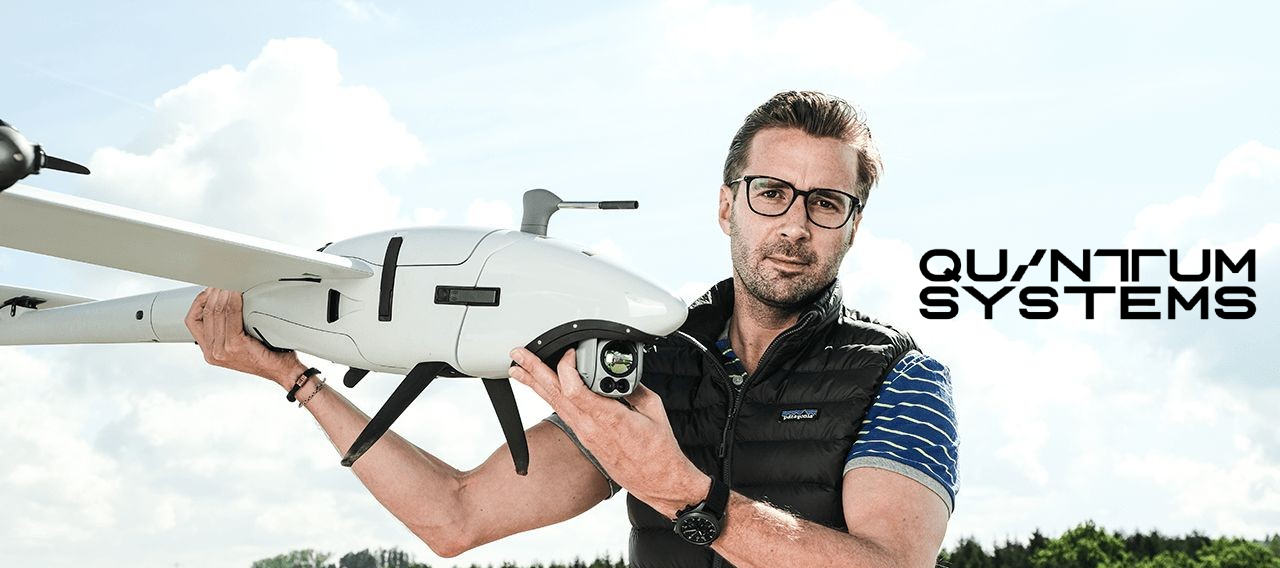
Founded by German physicist and former investment banker Markus Pflitsch, Terra Quantum is not a hardware dream chasing a distant breakthrough. It sells quantum software today. Real customers. Real applications. Banks use it. Industrial giants test it. Governments deploy it. This is exactly the kind of “deep tech” success story European policymakers love to showcase in speeches.
And yet, Terra Quantum didn’t choose Frankfurt. Or Paris. Or Amsterdam. It chose Nasdaq.
Why? Because ambition needs oxygen—and Europe still supplies it in carefully rationed doses.
This is the paradox at the heart of Europe’s tech economy: it excels at producing ideas but systematically struggles to turn them into global champions. Universities, research institutes, and early-stage startups thrive. But when companies need large growth capital, fast procurement decisions, and strategic government customers, the system slows down. Committees replace conviction. Regulation replaces risk appetite.
In the United States, scale is not a dirty word. Defense, cybersecurity, AI, and quantum technology are treated as strategic imperatives. If a startup solves a real problem, the first customer is often the state—and the check is large enough to matter. Terra Quantum’s first major government-grade contracts didn’t come from Berlin or Brussels, but from Washington.
Europe, by contrast, talks about “double boosts,” “special funds,” and “innovation strategies,” while founders wait months for meetings that end with offers to help secure office space. The gap between political ambition and administrative execution remains vast.
The result? Capital flows where momentum lives. Today, that is still the United States.
This is not just about money. It’s about narrative. In Silicon Valley, ambition is expected. In Europe, it is often quietly mistrusted. Winning big can be framed as arrogance. Moving fast can be seen as recklessness. Asking for large contracts can be interpreted as inappropriate.
And so Europe risks repeating a familiar story: inventing foundational technologies, then watching others industrialize them.
The irony is painful. Reports praise Europe as a potential “deep-tech factory of the world.” Consultancies publish trillion-dollar opportunity slides. Panels discuss “strategic autonomy.” But founders live in operational reality, not PowerPoint.
Terra Quantum’s Nasdaq listing is a success—undeniably so. But it is also a warning flare. If one of Europe’s most advanced quantum companies must cross the Atlantic to scale, how many others will follow? And how many futures will quietly relocate with them?
This is not a call for subsidies. It’s a call for speed, trust, and courage. For public buyers willing to take responsibility. For capital markets that think in decades, not quarters. For regulators who understand that overregulation is not risk avoidance—it is risk export.
Europe does not lack brains. It lacks boldness at the moment it matters most.
And until that changes, the next breakthrough will keep speaking English—with a Nasdaq ticker symbol.