How the 2026 FIFA World Cup Is Becoming a Live Testbed for Counter‑Drone Security with ONDAS

When the world turns its attention to the 2026 FIFA World Cup this summer, the real security challenge may not come from inside the stadiums—but from the air above them.
Ondas Inc., through its subsidiary Sentrycs, has been selected to deploy counter‑drone protection across most World Cup host venues in the United States, Canada, and Mexico. The deployment will span stadiums, fan zones, and related event sites across 16 host cities, making it one of the most geographically distributed counter‑UAS operations ever undertaken for a civilian event.
The contracts—awarded by federal, state, and local public safety organizations and collectively valued in the millions of dollars—reflect a growing recognition that low‑altitude airspace has become a frontline security concern for major public events.
Securing the “Invisible Perimeter”
Mega‑events have long relied on layered physical security: access control, surveillance cameras, perimeter fencing, and airspace restrictions. Drones have quietly undermined that model.
Inexpensive, widely available, and increasingly capable, commercial drones can bypass physical barriers, disrupt broadcasts, endanger crowds, or trigger mass panic. For an event expected to attract millions of spectators across an entire continent, even a handful of unauthorized drone incidents could cause cascading operational disruptions.
Sentrycs’ solution addresses that risk without resorting to brute force.
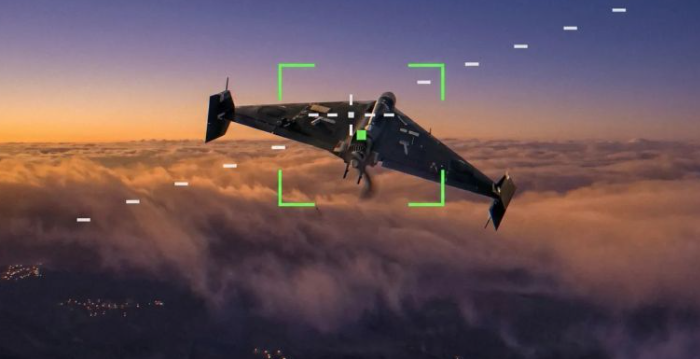
Its Cyber‑over‑RF (CoRF) technology passively detects, tracks, and identifies unauthorized drones. When mitigation is required, authorized operators can safely take control of the drone and guide it to a designated landing zone, rather than jamming signals or destroying the aircraft.
That distinction is critical.
Why Non‑Disruptive Matters
Traditional counter‑drone methods—jamming, spoofing, or kinetic interception—carry significant drawbacks in dense, civilian environments. Radio‑frequency jamming can interfere with emergency communications, cellular networks, or broadcast systems. Kinetic solutions risk debris falling into crowded areas.
Sentrycs’ system avoids both.
By operating without jamming or kinetic measures, CoRF is designed to maintain communications continuity and comply with regulatory constraints while operating in urban environments packed with spectators, media infrastructure, and public safety personnel.
That approach has made cyber‑based counter‑drone control increasingly attractive for civil authorities—where proportionality and public safety matter as much as neutralization.
A Continental‑Scale Security Challenge
The 2026 FIFA World Cup is unlike previous tournaments in scope. Matches will be spread across North America, often occurring simultaneously. Securing lower airspace in such a distributed environment requires standardized, interoperable tools that can integrate into local and federal security frameworks.
“Securing the lower airspace across multiple venues simultaneously presents a unique operational challenge,” said Eric Brock, Chairman and CEO of Ondas, underscoring the need for coordinated, regulation‑compliant counter‑drone capabilities.
The deployment also reflects a broader trend: counter‑UAS is no longer a niche military capability. It is becoming part of event security infrastructure, alongside cameras, access systems, and emergency response networks.
More Than Just Stadium Security
For Ondas, the World Cup deployment is not only a revenue milestone—it is a proof point.
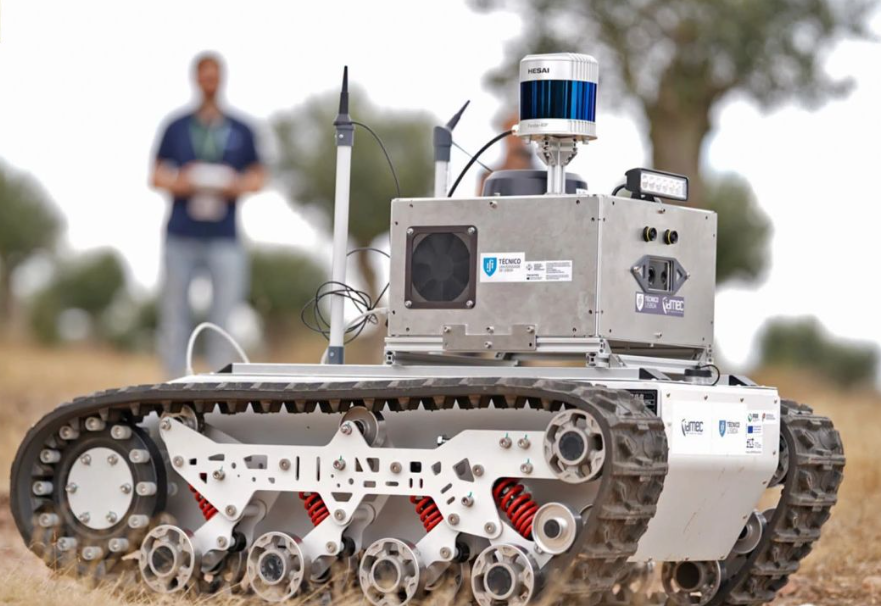
Sentrycs is positioned as part of Ondas Autonomous Systems, a broader portfolio that combines aerial, ground‑based, and sensing technologies into what executives describe as a unified security architecture. According to Oshri Lugassy, Co‑CEO of Ondas Autonomous Systems, demand is rising for multi‑layered solutions that address both aerial and ground‑based threats in complex environments.
Large‑scale events provide a rare opportunity to demonstrate such systems under real‑world conditions, high public visibility, and intense regulatory scrutiny.
The Bigger Signal
The decision to secure the 2026 World Cup with non‑disruptive, cyber‑based counter‑drone technology sends a clear signal to security agencies worldwide.
The future of airspace protection—especially in civilian contexts—will not be loud, kinetic, or visible. It will be quiet, digital, and controlled, operating in parallel with everyday communications rather than overpowering them.
As millions cheer inside the stadiums this summer, the success of the tournament may hinge on security systems the public never sees—silently guarding the airspace overhead.

.jpg)