From Battlefield to Broker - How Ukraine Is Emerging as a Security Power in the Middle East

For decades, Ukraine barely registered on the strategic radar of the Middle East. That changed abruptly in the spring of 2026.
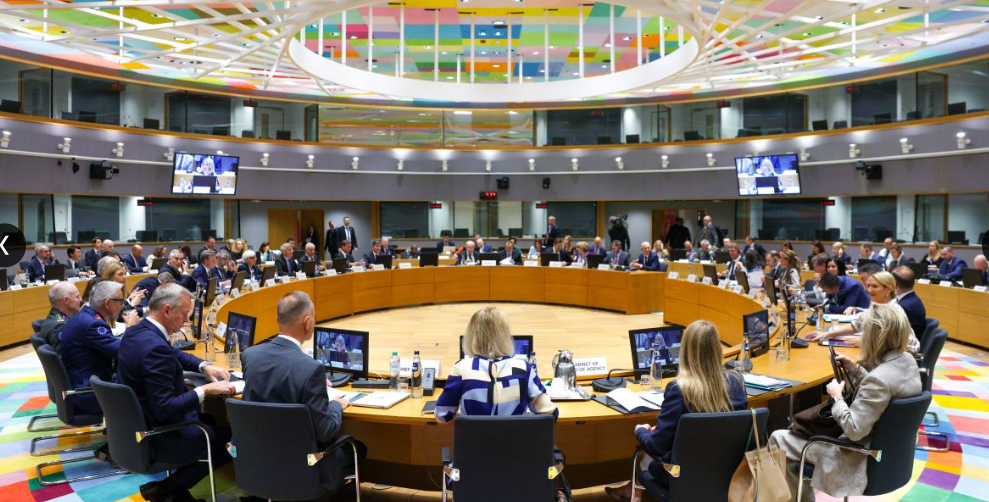
Over the past two weeks, President Volodymyr Zelenskyy has carried out a dense diplomatic tour across Saudi Arabia, the United Arab Emirates, Qatar, Jordan, Türkiye, and Syria, marking the most intensive engagement Ukraine has ever had with the region. These were not symbolic visits. They were transactional, security‑focused, and deliberately long‑term.
At the heart of the tour were 10‑year defense cooperation agreements, including formally signed accords with Saudi Arabia and Qatar, and advanced negotiations with the UAE. Unlike past outreach efforts, Kyiv arrived not seeking aid—but offering something few nations can match: hard‑won expertise in modern air and drone defense.

Exporting Experience, Not Ideology
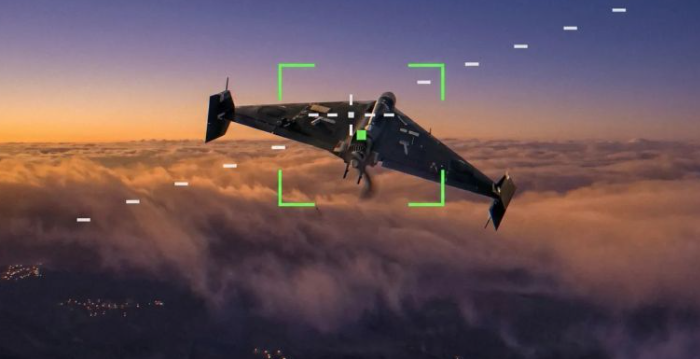
Ukraine’s pitch to Middle Eastern capitals is strikingly pragmatic. Over four years of full‑scale war with Russia, Ukrainian forces have faced an unprecedented volume of drone and missile attacks, many using Iranian‑designed Shahed drones. According to official statements cited during the tour, Ukraine claims to have intercepted nearly 90% of aerial targets during repeated mass attacks—experience accumulated under constant operational stress.
No other country has confronted an environment comparable in scale. During the winter of 2025–2026 alone, Russia launched tens of thousands of drones at Ukrainian territory, forcing Kyiv to innovate rapidly across detection, interception, command‑and‑control, and low‑cost counter‑UAS solutions. That experience is now in high demand across the Gulf, as Iranian drone threats increasingly target regional infrastructure and shipping lanes.
At the request of host governments, more than 200 Ukrainian specialists have already been deployed to assist with air and drone defense training and operations, particularly in the Gulf region.
A New Kind of Security Partnership
Unlike traditional security exporters, Ukraine arrives without the historical baggage that often accompanies great‑power involvement in the Middle East.
Kyiv has no military bases in the region, no proxy networks, and no expansionist agenda. Ukrainian officials have repeatedly emphasized that these agreements are built around defense, stabilization, and resilience, not force projection. Zelenskyy himself framed the effort as a global stability initiative, linking European, Gulf, and global security through shared vulnerabilities—energy systems, shipping routes, food supply chains, and civilian infrastructure.
The contrast with Moscow is difficult to ignore. While Russia supplies intelligence and weapons to Iran and supports military activity across Africa and the Middle East, Ukraine positions itself as a security donor without hidden dependencies—offering expertise rather than entanglement.
Beyond Air Defense
Security is only one layer of the emerging partnerships. Energy cooperation, fuel supply, reconstruction investment, and joint defense production have all been placed on the agenda. Analysts from the OSW Centre for Eastern Studies note that Kyiv is seeking co‑production projects, technology exchange, and defense‑industrial partnerships, enabling Ukraine not just to train others—but to export defense systems legally and at scale for the first time.
For Middle Eastern partners, the appeal lies in cost‑effectiveness. Ukrainian counter‑drone solutions—particularly interceptor drones and software‑driven air defense management—offer alternatives to relying exclusively on expensive missile interceptors such as Patriot or THAAD systems.
A Strategic Reversal
Only four years ago, Ukraine was overwhelmingly perceived as a consumer of security. Today, it presents itself as a provider—one shaped by the first full‑scale, technology‑saturated war of the 21st century.
Drones have killed or wounded tens of thousands on the battlefield. Ukrainian long‑range systems now disrupt Russian oil exports hundreds of kilometers from the front. Electronic warfare, AI‑assisted targeting, and rapid battlefield innovation have become standard practice rather than theory.
That lived experience is Ukraine’s new strategic currency.
Whether this emerging Middle East axis evolves into durable influence remains to be seen. But one fact is already clear: Ukraine is no longer acting solely as a frontline state in Europe.
It is positioning itself as a global security actor shaped by war—and capable of exporting what it learned.