How SpaceX Turned Kamikaze Drones into a $25,000 Signal
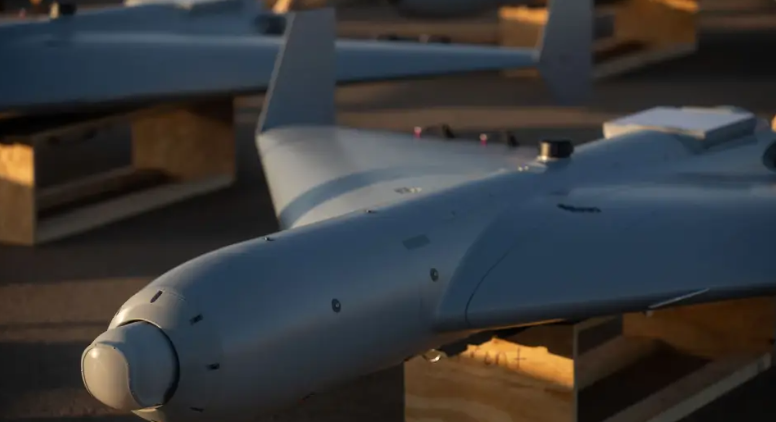
SpaceX, Elon Musk’s space and satellite empire, has found itself in an uncomfortable yet powerful position: the indispensable gatekeeper of battlefield internet. Its Starlink system—initially celebrated as a democratizing force for global connectivity—is now embroiled in controversy for something far more transactional. According to reports, the price of linking a single U.S. kamikaze drone to the network has soared from $5,000 to nearly $25,000. Not per mission. Not per flight hour. Per device—despite the fact that many of these drones are designed to self-destruct within minutes.
This is not just a pricing adjustment. It’s a statement of power.
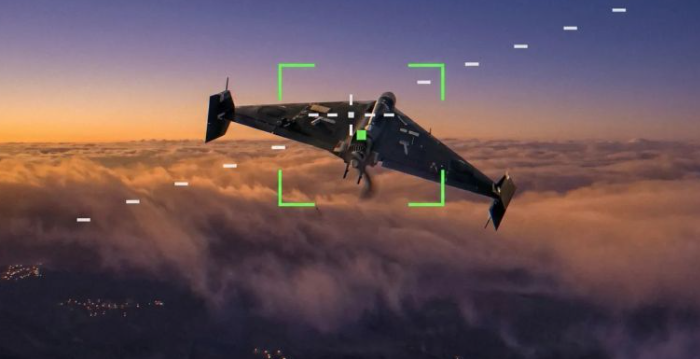
The drones in question—low-cost attack systems like the FLM-136 “LUCAS”—are designed to be expendable. Ironically modeled after Iranian designs they were meant to counter, these drones represent the industrialization of modern combat: cheap, replicable, and deadly. At roughly $30,000 per unit, they were meant to tilt the economics of war. But when connectivity alone costs nearly as much as the drone itself, that equation begins to collapse.
And yet, the U.S. military appears to have little choice.
The battlefield has gone digital. Command, control, navigation—everything depends on stable, low-latency communication. Starlink delivers exactly that, even in environments where terrestrial infrastructure has been destroyed or jammed. No competitor currently offers the same global reach and resilience at scale. In other words: SpaceX doesn’t just sell a service. It sells necessity.
That necessity comes with leverage.
SpaceX argues the price hike reflects proper usage. The company reportedly considers the previous $5,000 monthly tariff—designed for ground or maritime use—to have been misapplied to short-lived aerial systems. From a corporate perspective, the adjustment is logical. From a battlefield perspective, it’s brutal: a subscription model forced onto hardware that won’t survive the day.
This tension reveals something deeper about the privatization of strategic infrastructure. Governments may fund defense, but increasingly, they rent the tools that make it work. Satellite connectivity, cloud computing, artificial intelligence—these are no longer purely sovereign capabilities. They are commercial products, subject to market logic, shareholder expectations, and opportunistic pricing.
And the stakes are rising.
During recent operations, the reliance on Starlink wasn’t just about offensive capabilities. It was also about information flow. When Iran reportedly shut down national internet access and tightened censorship, Starlink became both a potential workaround and a geopolitical pressure point. Proposals to activate direct satellite-to-phone communication were met with staggering costs—up to $500 million for implementation and $100 million per month thereafter. Even the Pentagon balked.
In this light, the $25,000 drone connection fee looks less like an anomaly and more like a preview.
Elon Musk has pointed to Starshield—a military-focused variant of Starlink—as the appropriate solution for defense use. But even here, the boundaries blur. Starlink is widely used in conflict zones despite officially not being designed for weapon systems. The company’s terms of service hint at restrictions, but enforcement appears inconsistent. In practice, functionality—and pricing—rule the day.
For military planners, the lesson is as clear as it is uncomfortable: technological superiority does not guarantee autonomy. Dependence on private infrastructure introduces a new vulnerability—not to adversaries, but to suppliers.
And for SpaceX, the calculus is equally stark. War may be chaotic, but the business model is precise. In a world where connectivity defines capability, the price of staying online—even for a few fatal minutes—can be whatever the market will bear.
Welcome to the age of monetized warfare, where the signal is fleeting, but the invoice lasts forever.