From Scarcity to Scale - Rheinmetall and Destinus Push Europe into the Missile‑Production Age
Europe’s missile debate is changing tone.
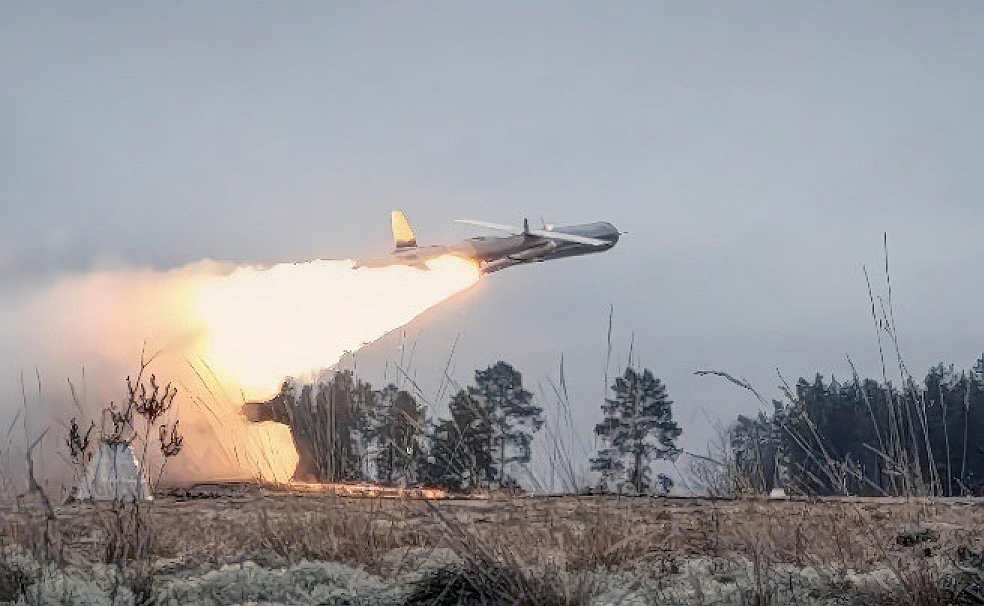
For decades, cruise missiles and rocket artillery were treated as rarefied capabilities—built in limited numbers, managed as strategic assets, and replenished slowly. The war in Ukraine has exposed how brittle that model is. Now, Rheinmetall and the Dutch‑based defence technology company Destinus are attempting something more radical: turning missile production into an industrial discipline.
On 13 April 2026, the two companies announced plans to form a joint venture, majority‑owned by Rheinmetall (51%), focused on the manufacture, marketing and delivery of advanced cruise missiles and ballistic rocket artillery. The joint venture—planned for the second half of 2026 and subject to regulatory approval—will operate under the name Rheinmetall Destinus Strike Systems and will be based in Germany, anchoring qualification and series production at Rheinmetall sites such as Unterlüß.
On paper, the announcement looks like another defence‑industry partnership. In substance, it signals a deeper shift in European strategic thinking: missiles are no longer boutique systems—they are industrial products.
Rheinmetall is already preparing the ground. In Unterlüß, the company is expanding its activities in rocket propulsion, with production of rocket motors for ranges between 50 and 2,000 kilometres scheduled to begin this year. Through cooperation with Lockheed Martin, Rheinmetall is also offering GMARS, a European derivative of the HIMARS rocket artillery system. The Destinus joint venture builds directly on this momentum, extending it upstream into missile bodies and complete strike systems.
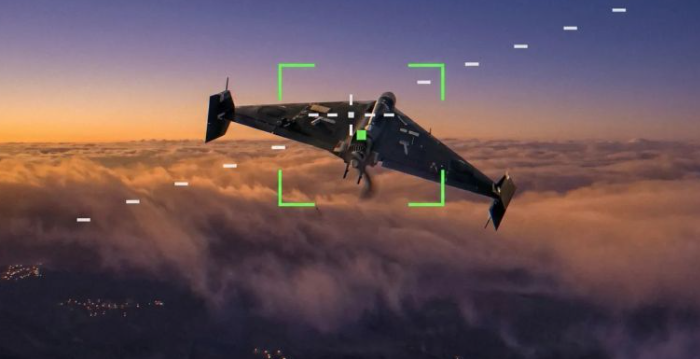
Destinus, meanwhile, brings a different pedigree. Headquartered in the Netherlands, the company has focused on scalable strike and interception systems, including cruise missiles, turbojet engines and platform architectures already validated in Ukraine. According to company statements cited in industry reporting, Destinus currently operates serial production capacity of more than 2,000 cruise‑missile systems per year across Europe. That experience—with volume, cost‑per‑effect and rapid iteration—lies at the heart of the partnership.
For Rheinmetall CEO Armin Papperger, the logic is explicit. Europe’s problem is no longer knowing what to build, but being able to build it at meaningful scale. The joint venture, he argues, combines Rheinmetall’s experience in managing large defence programmes and qualification processes with Destinus’ system design and scalable platforms—creating missiles tailored to European and allied operational requirements.
Destinus CEO Mikhail Kokorich puts it more bluntly. Modern conflict, he says, is defined by volume and cost per effect. Missile systems are evolving from limited‑batch assets into industrial products, and Europe’s binding constraint today is not demand—but industrial capacity.
This diagnosis fits the wider picture. Recent conflicts in Ukraine and the Middle East have demonstrated demand not for dozens, but thousands of strike systems per year, with the potential to grow into the tens of thousands as NATO and EU procurement adapts. Europe’s defence policy rhetoric has largely caught up with this reality. Its factories are still racing to do so.
The Rheinmetall–Destinus partnership is designed to close that gap.
Operationally, Destinus will continue to develop and manufacture core systems and components across its Dutch and broader European footprint. The joint venture adds Germany‑based qualification and serial‑production capacity, addressing one of Europe’s most stubborn bottlenecks: turning prototypes into certified, repeatable output at speed.
Strategically, the move aligns closely with Europe’s renewed emphasis on sovereignty. By expanding missile production capacity within Germany, the joint venture supports EU and NATO requirements for resilient, independent supply chains, reducing reliance on external producers while remaining interoperable with allied systems.
Yet the initiative also underlines a harder truth. Europe is entering a phase where having the right concepts matters less than having factories that can run, qualify and scale without delay. The joint venture does not magically solve regulatory friction, workforce shortages or supply‑chain fragility. But it does signal that at least part of Europe’s defence industry now understands the assignment.
Missile deterrence, Rheinmetall and Destinus seem to be saying, will be won not only in design offices—but on production lines.