From Coordination to Mobilisation - What Europe’s Defence Agency Is Really Saying About 2025
The European Defence Agency’s 2025 Annual Report marks a strategic inflection point. Its tone is sharper, its ambitions clearer, and its assumptions fundamentally different from reports of just a few years ago. Europe, the document argues implicitly, is already in a long war—whether it wants to admit it or not.
At the centre of this shift lies a stark diagnosis: large‑scale, high‑intensity warfare has returned to the European continent, and legacy defence planning models are no longer sufficient. As EU leaders have stated, defence readiness by 2030 is now a political requirement, not a technocratic goal.
EDA’s mandate—strengthened in 2024—responds to this reality. In 2025, the Agency structured its work around five core functions, but the emphasis has changed. Coordination alone is not enough; execution speed, scale, and interoperability now dominate the agenda.
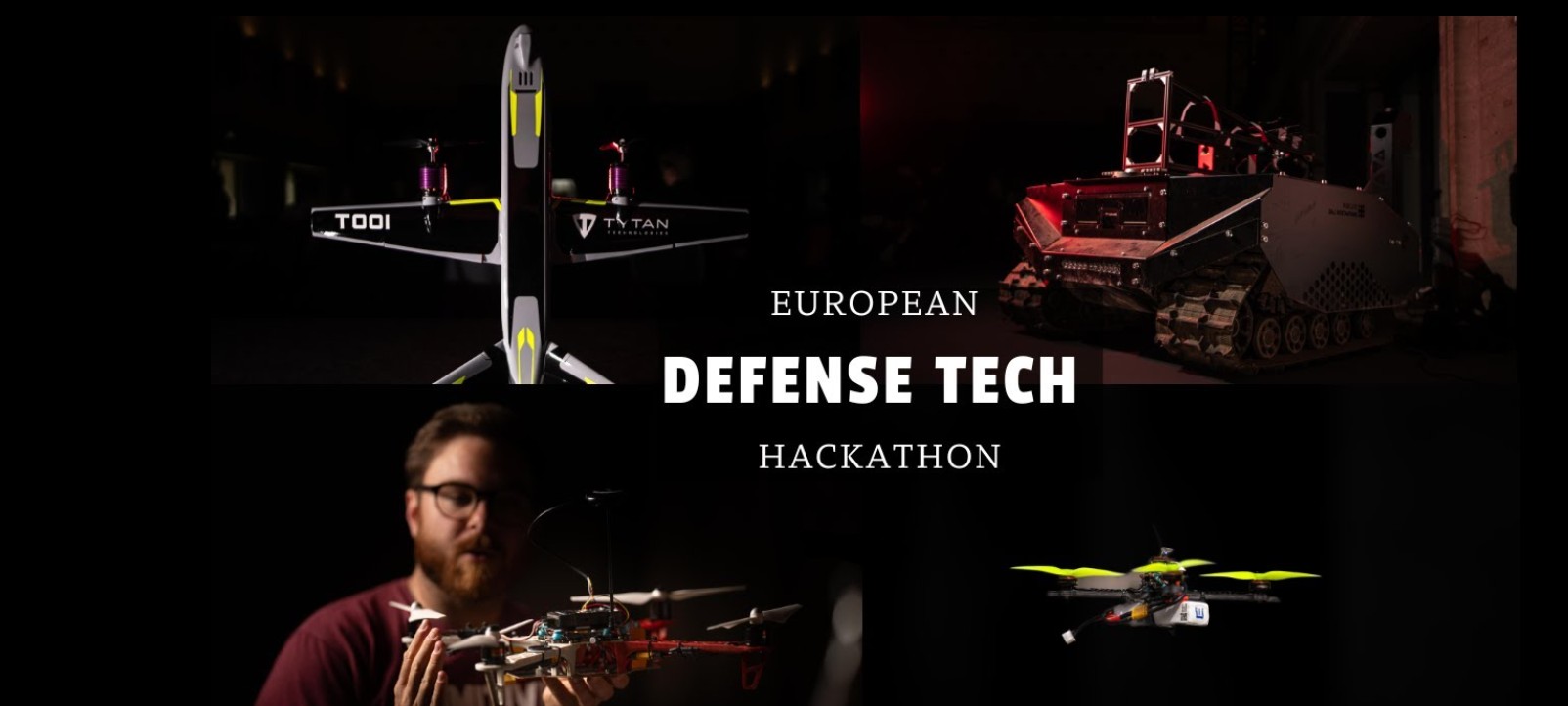
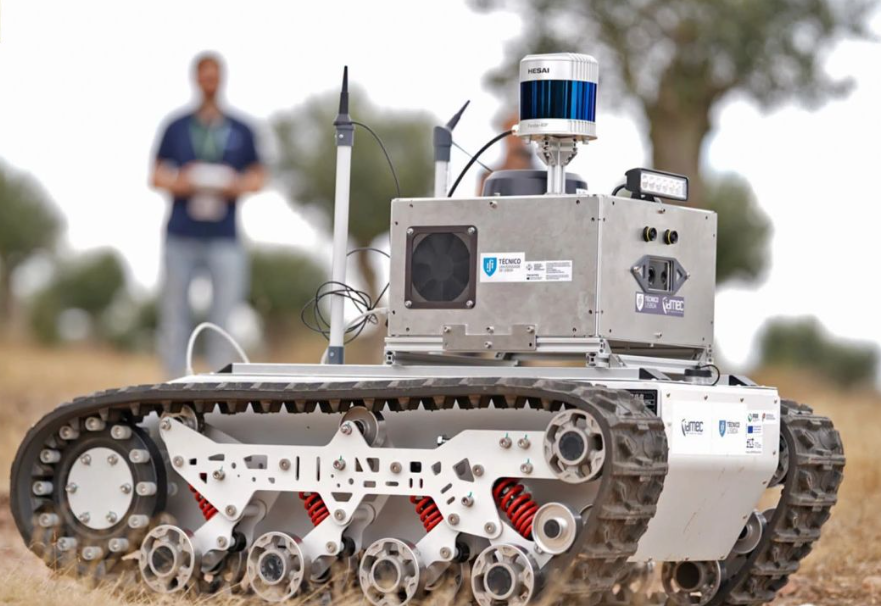
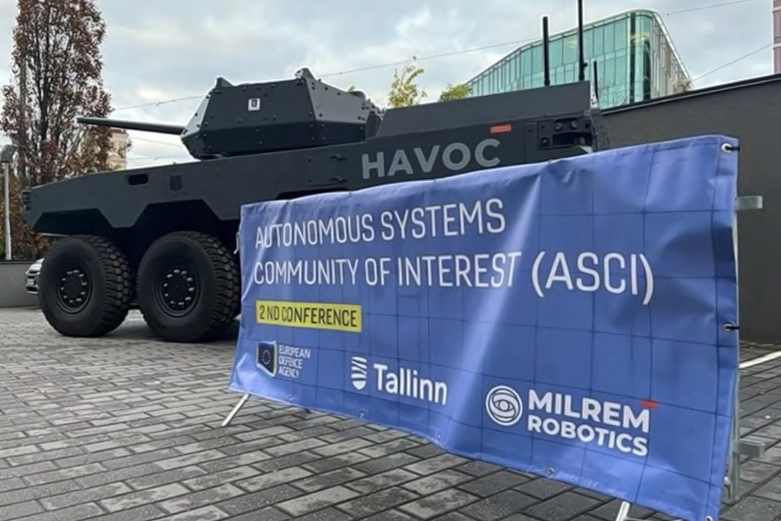
Perhaps the clearest indicator is the Agency’s leap into operational experimentation. Through the Hub for European Defence Innovation (HEDI), EDA launched the first EU‑wide experimentation campaign focused on autonomous systems. Over 100 experts from across Europe and partner countries—including Ukraine—tested systems in real‑world conditions, producing procurement‑ready guidance, not conceptual frameworks.
This is defence innovation stripped of its traditional comfort zone.
Money follows momentum. The report projects that European collaborative defence R&T spending will exceed €600 million by 2026, up sharply from 2023. Meanwhile, the European Defence Fund entrusted EDA with managing 42 projects worth over €300 million, many deliberately awarded to SMEs and non‑traditional defence actors.
This reflects a strategic recalibration: innovation is no longer assumed to trickle down from prime contractors. It is actively pulled up from startups, universities, and dual‑use technology firms.
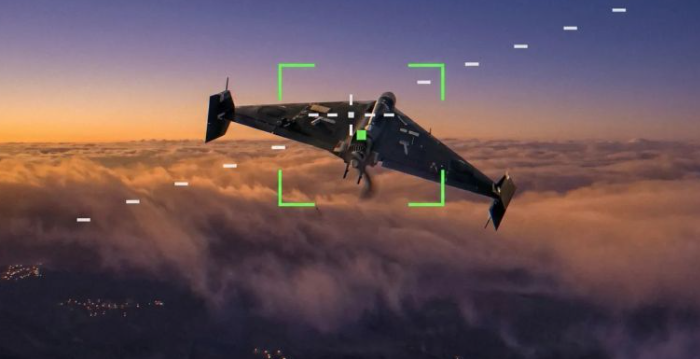
Capability development is becoming more muscular as well. In 2025 alone, EDA supported 35 joint capability development projects valued at €260 million, spanning air defence, cyber, space, land, maritime, and autonomous systems. Particularly notable progress was made on loitering munitions, where EDA completed a business case explicitly designed to lead to joint procurement, not mere coordination.
Governance structures are evolving too. The fourth cycle of the Coordinated Annual Review on Defence (CARD) has been redesigned to link cooperation directly to EU funding instruments and the Defence Readiness 2030 White Paper, tightening the loop between planning and execution.
Ukraine’s role in the report is telling. No longer confined to assistance frameworks, Ukrainian defence actors are embedded in experimentation campaigns, innovation forums, and capability discussions. Battlefield feedback is now shaping European capability roadmaps in near real time.
The deeper message of the report is uncomfortable but unavoidable: Europe is moving from defence integration to defence industrialisation. The era of fragmented national solutions is becoming strategically indefensible.
EDA is no longer positioning itself as a facilitator of good intentions. It is acting as a systems integrator for European defence power.
That is what makes the 2025 report a turning point—not because of what it promises, but because of what it assumes.