Europe’s Rearmament Surge Fuels $1.4B Bet - Elbit Systems Positions Itself at the Heart of a New Defense Order
Europe is not just rearming - it is redefining how wars will be fought.
The latest proof comes in the form of a $1.4 billion contract awarded to Elbit Systems, marking one of the most significant signals yet that the continent’s military transformation is accelerating and evolving. This is not a deal about replacing outdated equipment. It is about fundamentally upgrading how European forces sense, decide, and act on the battlefield.
And Elbit is placing itself right in the middle of that shift.
The five-year agreement, secured with an undisclosed European customer, reflects a deeper strategic trend: the growing demand for integrated, multi-domain capabilities. Modern militaries no longer think in silos—land, air, electronic warfare, and autonomous systems are converging into a single operational framework. The contract mirrors exactly that vision.
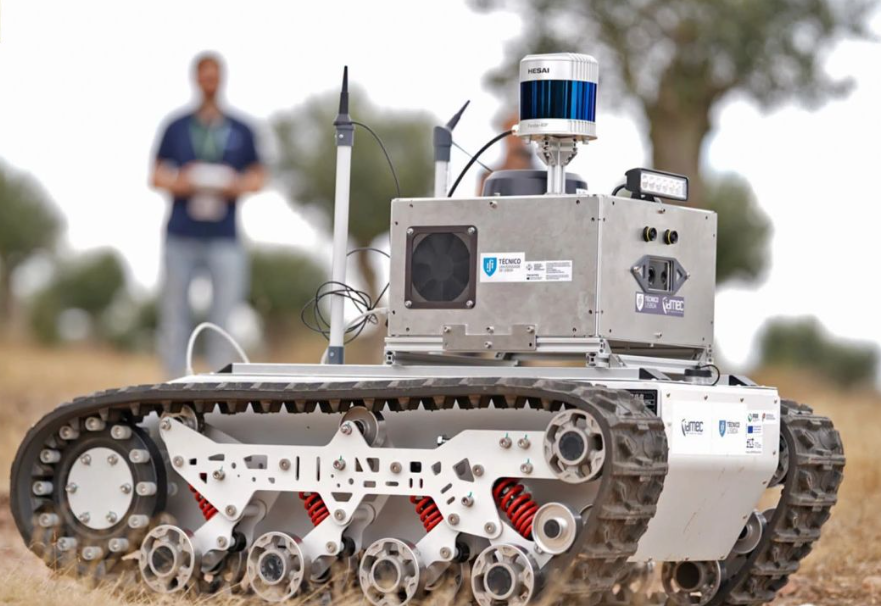
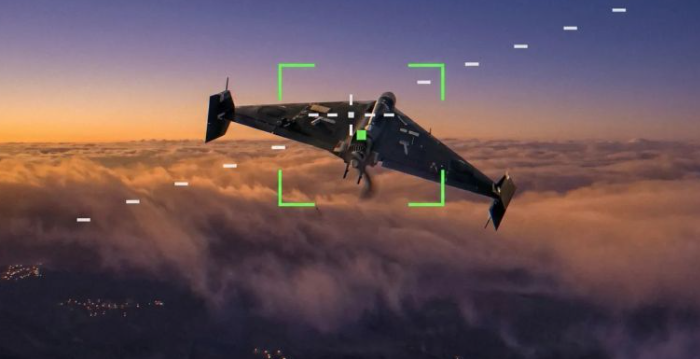
At its core, the deal spans a broad portfolio of technologies—autonomous unmanned systems, electronic warfare capabilities, software-defined radios, electro-optical intelligence, and precision-guided munitions. This is not a list of products. It is an ecosystem.
What Europe is buying here is not hardware—it is decision advantage.
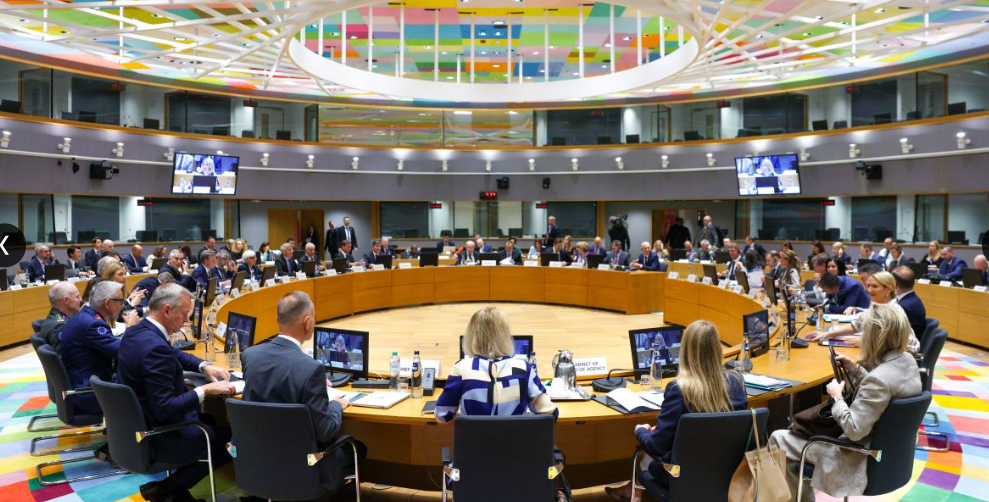
The context matters. Since Russia’s full-scale invasion of Ukraine, European nations have dramatically increased defense spending. But the current phase of this buildup is more sophisticated. It is no longer about quantity alone—more tanks, more ammunition. The focus is shifting decisively toward quality, integration, and speed of response.
In that sense, Elbit’s contract is a reflection of a new procurement philosophy. Instead of piecemeal acquisitions, customers are seeking end-to-end solutions capable of delivering battlefield awareness, communication, and strike capabilities in a tightly connected loop.
This is where Elbit has positioned itself effectively.
CEO Bezhalel “Butzi” Machlis framed it clearly: the company has evolved into a fully integrated defense provider across land, sea, and air. The numbers support that claim. With quarterly revenue exceeding $2.19 billion and an order backlog surpassing $30 billion, Elbit is operating at a scale and momentum that few competitors can match.
But behind the financial performance lies something more important: alignment with where warfare is heading.
The systems included in the contract are designed to enhance maneuverability, survivability, and operational effectiveness—terms that, in modern military language, translate into faster decision cycles and greater adaptability in contested environments. Autonomous platforms can extend reach without increasing risk. Electronic warfare systems disrupt adversaries before kinetic engagement even begins. Software-defined communications ensure that units remain connected in environments where traditional systems might fail.
This is not incremental improvement. It is structural change.
Yet the deal also raises important strategic and political questions. As Europe invests heavily in defense modernization, reliance on external suppliers—even trusted partners—remains a delicate issue. The push for European strategic autonomy is intensifying, and contracts like this sit at the intersection of necessity and long-term ambition.
Can Europe build comparable capabilities domestically at scale? Or will partnerships with global defense players remain essential in the medium term?
For now, pragmatism is winning.
The speed at which European governments are moving leaves little room for prolonged industrial buildup from scratch. Integrated solutions that can be deployed quickly are in demand—and companies like Elbit are ready to deliver.
But the competitive landscape is shifting rapidly. European defense firms are ramping up capabilities, and new entrants are emerging, especially in areas such as drones, AI, and cyber warfare. The next wave of contracts may become even more contested.
What is clear, however, is that the nature of defense procurement in Europe has crossed a threshold.
The era of slow, segmented acquisition is ending. In its place, a new model is emerging—one driven by urgency, integration, and technological convergence.
Elbit’s $1.4 billion contract is not just another deal.
It is a marker of where Europe’s defense priorities are heading—and how quickly the rules of military power are being rewritten.