EDA HEDI: Europe Has Defence Labs. Ukraine Has a Battlefield.
Europe has no shortage of defence companies, research institutes, engineers or ambitious programmes. What it often lacks is something much harder to manufacture: immediate feedback from a real battlefield.
Ukraine has it every day.
That uncomfortable reality is increasingly shaping the European Union’s approach to defence innovation. Through initiatives such as the European Defence Agency’s Defence Innovation Hub for EU (HEDI), Europe is looking at Ukraine not simply as a recipient of military technology, but as a source of knowledge that could fundamentally change how defence systems are developed.
The traditional defence-development cycle can take years. Requirements are written, prototypes are built, tests are organised, procurement procedures follow, and eventually a system reaches soldiers.
Ukraine has demonstrated a radically compressed version of that cycle.
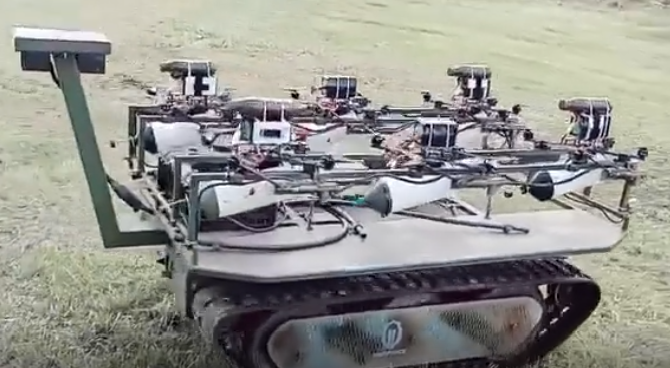
A drone, sensor, electronic-warfare system or software tool can be modified, deployed, tested under combat conditions, evaluated and modified again in a remarkably short period. The battlefield becomes a brutal feedback loop where ineffective ideas disappear quickly and useful ones evolve.
That matters because modern warfare itself is changing at extraordinary speed.
Cheap drones can threaten equipment worth millions. Commercial electronics can be adapted for military purposes. Electronic warfare can make a successful system ineffective almost overnight. Artificial intelligence, autonomous systems and increasingly sophisticated sensors are shortening the gap between technological innovation and battlefield deployment.
In this environment, the question is no longer simply: Who has the most advanced technology?
It is increasingly: Who can learn and adapt fastest?
This is where Ukraine offers Europe something that conventional laboratories cannot reproduce.
Since Russia’s full-scale invasion in 2022, Ukrainian engineers, soldiers, startups and defence companies have accumulated an enormous amount of practical experience. Systems are not tested only against theoretical requirements. They are tested against an opponent who actively observes them, develops countermeasures and forces another round of innovation.
Europe wants to bring some of that experience into its own defence ecosystem.
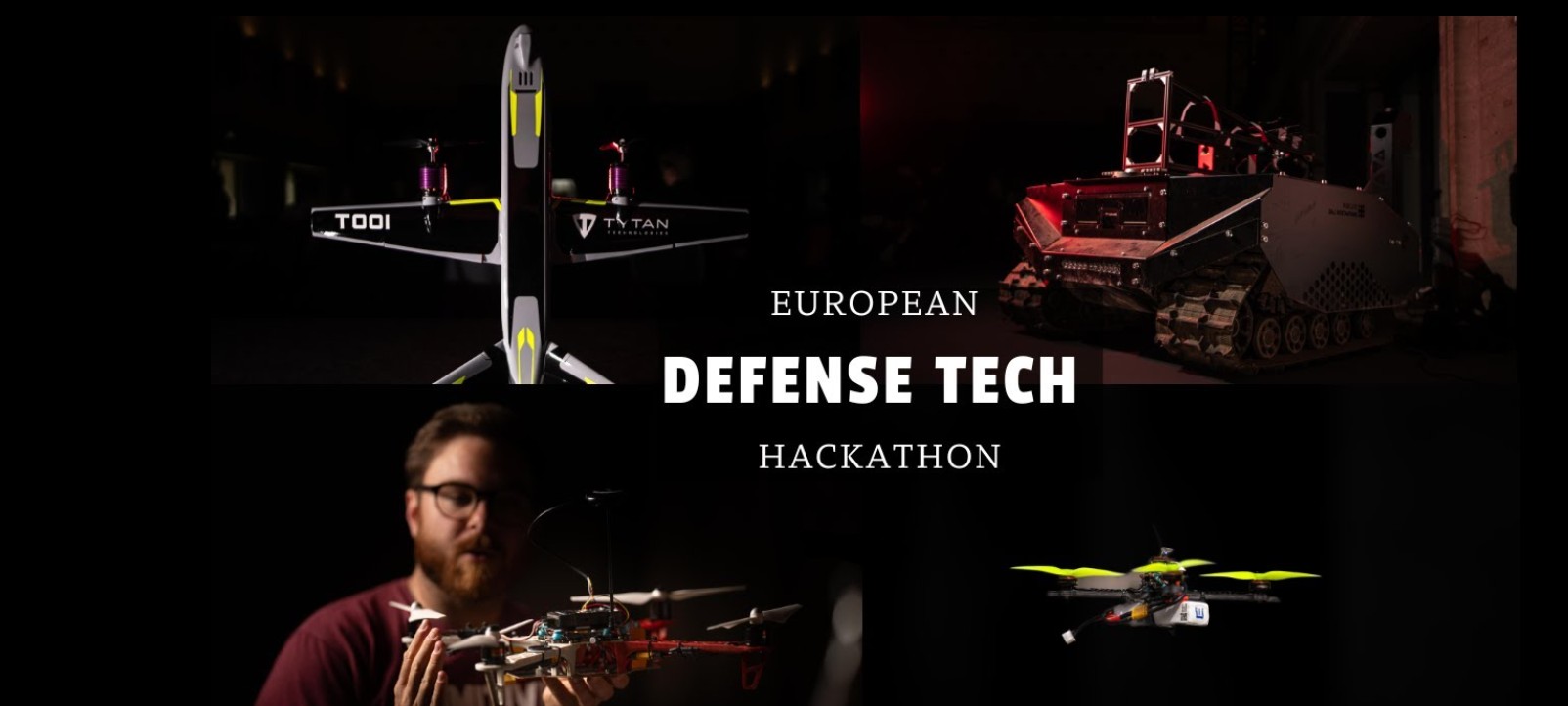
The European Defence Agency’s BraveTech EU initiative is intended to connect Ukrainian battlefield-tested innovation with European defence research and industry. According to the EDA, the programme is expected to involve demonstrations, experimentation and testing, while helping promising technologies move toward European defence programmes.
The potential benefit goes far beyond individual drones or weapons.
Europe could import something more valuable: a different innovation culture.
Traditional procurement naturally prioritises reliability, certification and predictable requirements. Those things remain essential. But a rapidly evolving battlefield rewards experimentation, modularity and short development cycles as well.
The challenge will therefore be combining two very different worlds.
Ukraine brings speed, battlefield experience and an extraordinary ability to improvise under pressure. Europe brings industrial capacity, research infrastructure, capital, certification expertise and the ability to manufacture at scale.
If those strengths can genuinely be combined, the result could be much more significant than another EU defence programme.
It could change the relationship between soldiers, engineers and manufacturers.
Instead of developing technology first and discovering its limitations years later, future systems could evolve through continuous feedback: develop, test, learn, redesign, deploy—and repeat.
There is also a deeper lesson.
Innovation does not automatically belong to the organisation with the largest budget or the most sophisticated laboratory. Under extreme pressure, smaller teams can sometimes move faster precisely because they cannot afford slow processes.
Ukraine has been forced to learn this lesson at enormous human cost.
Europe now has the opportunity to learn from that experience without pretending that a laboratory can reproduce the conditions that created it.
The future of European defence may therefore depend on an unusual combination: Ukrainian battlefield experience and European industrial power.
If Europe gets that combination right, Ukraine may influence not only what Europe buys—but how Europe invents.