DoD Solution and Lantronix. Ukraine’s Drone Brain Finds an American Engine
In every major war, there comes a moment when technology changes not just the battlefield, but the rules of the game itself.
For Ukraine, that moment may be arriving through a partnership few outside defense circles noticed.
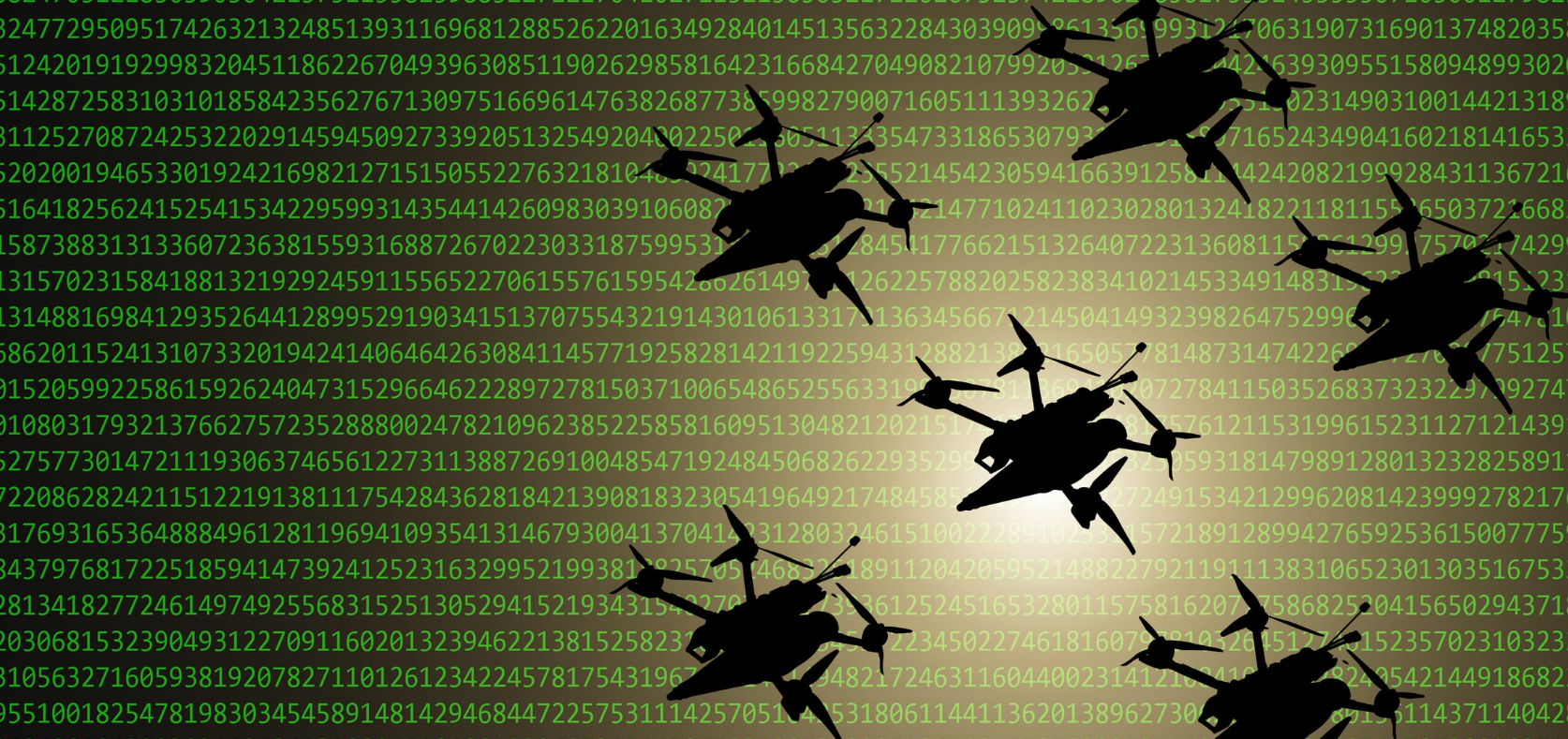
Estonian-Ukrainian defense technology company DoD Solution has announced a strategic collaboration with American Lantronix, a Nasdaq-listed leader in Edge AI and industrial computing. On paper, it is a technology integration deal. In reality, it may represent something much bigger: the next step in turning drones from remotely controlled weapons into autonomous combat systems capable of operating even when communications collapse.
The future of warfare increasingly belongs not to the side with more hardware, but to the side with smarter machines.
That is exactly where this partnership is focused.
At the center of the agreement is AURA AI, DoD Solution's autonomy platform designed for drones operating in some of the most hostile electronic warfare environments on Earth. Modern battlefields are saturated with jamming systems, GPS spoofing, signal disruption, and electronic attacks designed to blind and disable unmanned aircraft.
Traditional drones depend heavily on communication links with operators.
The next generation may not.
AURA AI is designed to navigate, recognize targets, track them, and conduct terminal guidance without relying on GPS. In practical terms, it aims to continue operating when many conventional systems would simply lose their way.
Now that software is being paired with Lantronix's Open-Q 6490CS computing platform built on Qualcomm technology, bringing significantly greater processing capabilities directly onboard the aircraft.
And that detail matters.
Artificial intelligence on a battlefield is only as effective as the computing power available at the edge. Every second spent sending data to an external operator introduces delay, vulnerability, and risk.
Processing information onboard changes everything.
The drone becomes less dependent on the network and more capable of making decisions in real time.
In modern warfare, autonomy is rapidly becoming as important as range, payload, or speed.
The implications stretch far beyond Ukraine.
For years, Western defense industries observed Ukraine's battlefield innovations with growing interest. The war created perhaps the world's largest real-world laboratory for drone warfare. Systems are tested not in controlled exercises but in high-intensity combat against one of the most technologically sophisticated militaries on the planet.
That reality creates a powerful incentive for international technology companies.
According to Lantronix, cooperation with the Ukrainian company provides an opportunity to evaluate Edge AI technologies under real combat conditions while supporting the company's strategy in defense and autonomous systems markets.
Translation: battlefield validation has become one of the most valuable currencies in defense technology.
Weapons can be demonstrated at exhibitions.
Combat effectiveness can only be demonstrated in war.
This is where Ukraine has developed an increasingly important advantage.
For decades, military innovation flowed from major defense contractors toward smaller partners and allies.
Today, the flow is becoming two-way.
Ukrainian engineers are designing systems born from immediate battlefield necessity rather than lengthy procurement cycles. They are solving problems that armies around the world expect to face in future conflicts.
The result is attracting attention from global technology firms seeking a place in the rapidly expanding market for autonomous systems.
The significance of the DoD Solution-Lantronix agreement lies not merely in hardware integration or software optimization.
It signals the emergence of a new defense ecosystem.
American computing power.
Ukrainian combat experience.
European defense innovation.
Combined into systems designed for a world where drones increasingly think for themselves.
The question is no longer whether artificial intelligence will become a central component of military operations.
That debate is already over.
The real question is which countries and companies will define the architecture of autonomous warfare.
With this partnership, Ukraine is making a strong argument that it intends to be one of them.
The drone revolution began with cameras, batteries, and remote controls.
Its next chapter will be written with artificial intelligence.
And that chapter is already being drafted over the skies of Ukraine.