Battery Anxiety Is the New Range Anxiety - IPET Systems Propulsion Is Becoming the Industry's Biggest Battleground
Drone industry has focused on smarter sensors, better cameras, autonomous navigation, AI-powered analytics, and advanced flight control systems. Yet despite all this technological progress, one fundamental problem remains surprisingly difficult to solve:
Flight time.
Ask almost any professional drone operator what limits productivity the most, and the answer is often the same: battery endurance.
Whether inspecting power lines, surveying construction sites, monitoring agricultural fields, or conducting search-and-rescue operations, operators frequently face an unavoidable cycle of flying, landing, swapping batteries, and launching again. Every interruption costs time, labor, and money.
The problem has become so widespread that many industry professionals now describe it as "battery anxiety" — the constant awareness that mission duration is constrained not by the task itself, but by available energy.
This challenge is particularly noticeable with multi-rotor drones.
Multi-rotor platforms dominate much of the commercial UAV market for good reason. They can take off and land vertically, hover with exceptional precision, operate in confined spaces, and perform complex inspection missions that would be difficult for other aircraft types.
Their flexibility is unmatched.
However, that flexibility comes at a cost.
Hovering requires continuous energy consumption. Unlike fixed-wing aircraft that generate lift through forward motion, multi-rotor drones must constantly power their motors to remain airborne. The result is significantly shorter endurance compared to other UAV configurations.
For many operators, a single mission may require multiple battery changes. In remote environments, battery logistics can become almost as important as the mission itself.
Fixed-wing drones solve part of this problem. Their aerodynamic efficiency allows them to remain airborne for hours rather than minutes. Long-range mapping and surveying missions often rely on fixed-wing platforms precisely because of their superior endurance.
But fixed-wing aircraft introduce another challenge: operational complexity.
They typically require launch and recovery areas, larger operating spaces, and cannot hover over a point of interest. This makes them less practical for many industrial applications.
Then there is the hybrid solution: VTOL (Vertical Takeoff and Landing) systems.
VTOL platforms combine vertical takeoff capabilities with the endurance advantages of fixed-wing flight. In theory, they offer the best of both worlds. In practice, they often involve more complex airframes, higher acquisition costs, additional maintenance requirements, and increased operational complexity.
This tradeoff highlights a growing reality within the UAV industry.
The next major competitive advantage may not come from better cameras or smarter software. It may come from propulsion.
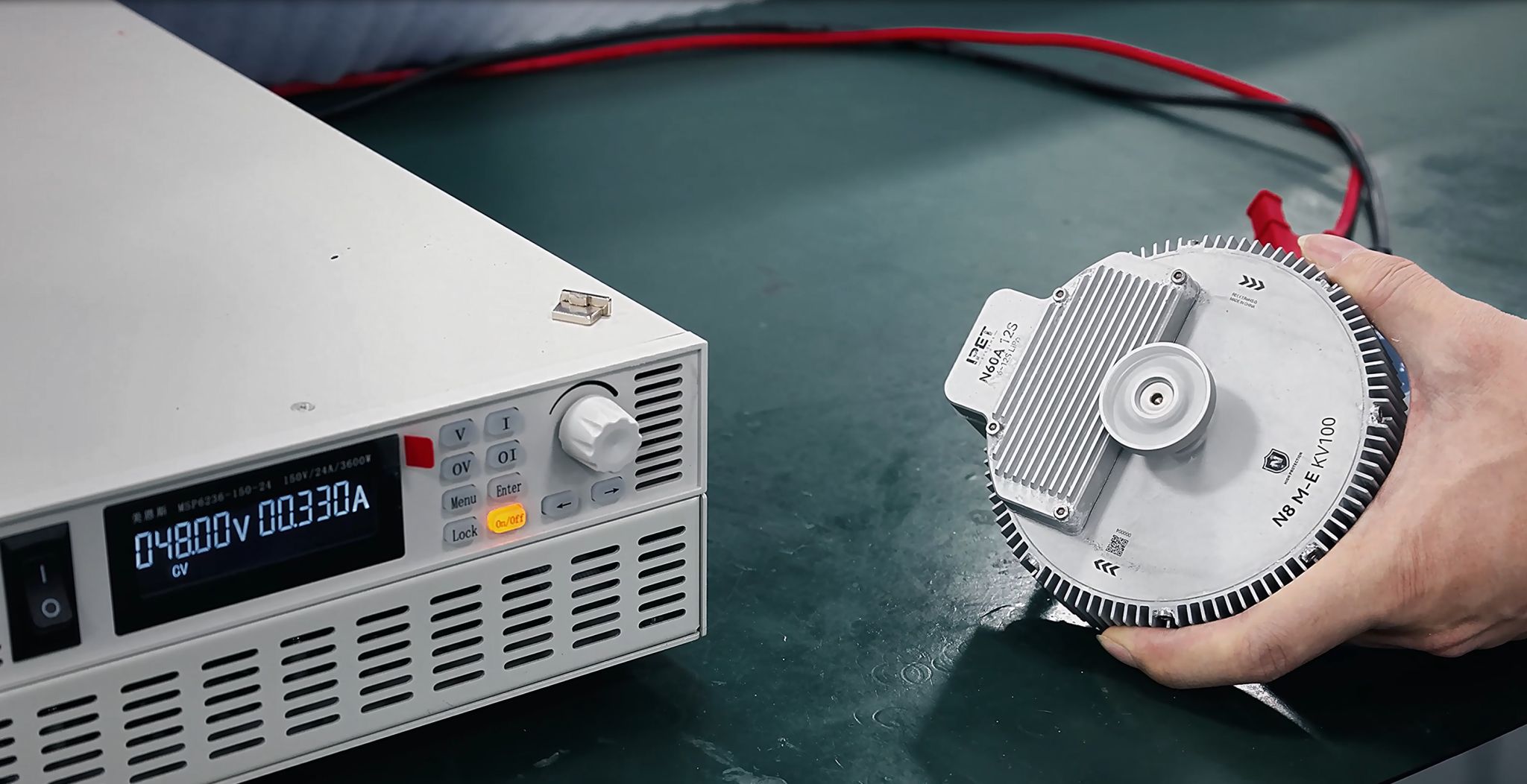
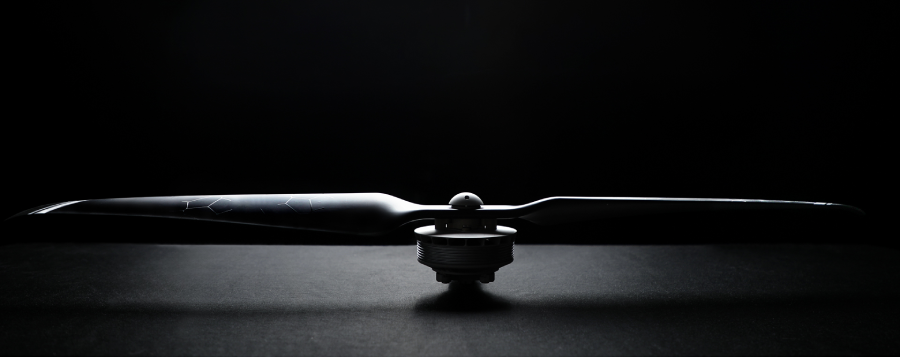
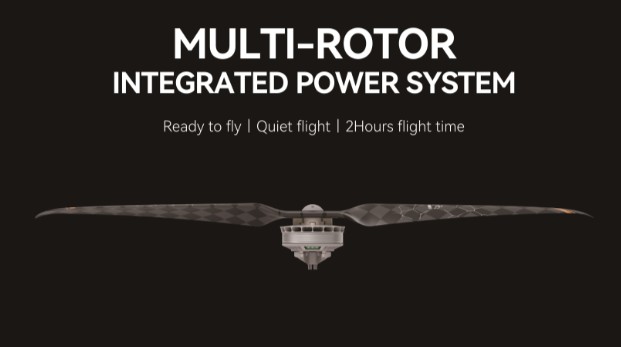
Companies such as IPET System are increasingly focusing on integrated propulsion technologies designed to improve efficiency and extend operational endurance. Rather than forcing operators to choose between flexibility and endurance, the goal is to push multi-rotor platforms closer to the performance levels previously associated with fixed-wing systems.
The economic implications are significant.
Every additional minute of flight time can improve productivity. Longer endurance means fewer battery changes, fewer interruptions, reduced labor requirements, and more efficient mission execution. For commercial operators managing fleets of drones, these incremental improvements can quickly translate into substantial cost savings.
The trend mirrors developments seen in the electric vehicle industry. While software, connectivity, and autonomous functions generate headlines, battery performance and energy efficiency often determine real-world value.
The same principle increasingly applies to UAVs.
As drone adoption expands across logistics, infrastructure inspection, agriculture, public safety, and defense, endurance will become one of the defining performance metrics separating leading platforms from the rest.
The future UAV market may not be won by the drone with the best camera.
It may be won by the drone that simply stays in the air longer.
Because in commercial drone operations, flight time is not just a technical specification.
It is productivity.
It is profitability.
And increasingly, it is the industry's most valuable resource.