African Land Forces Summit 2026 (ALFS26) - The Moment Africa’s Security Conversation Changed

Conferences often promise transformation. Few actually deliver it.
The African Land Forces Summit 2026 (ALFS26) in Rome did something rarer: it changed who gets to shape the conversation about Africa’s security future.
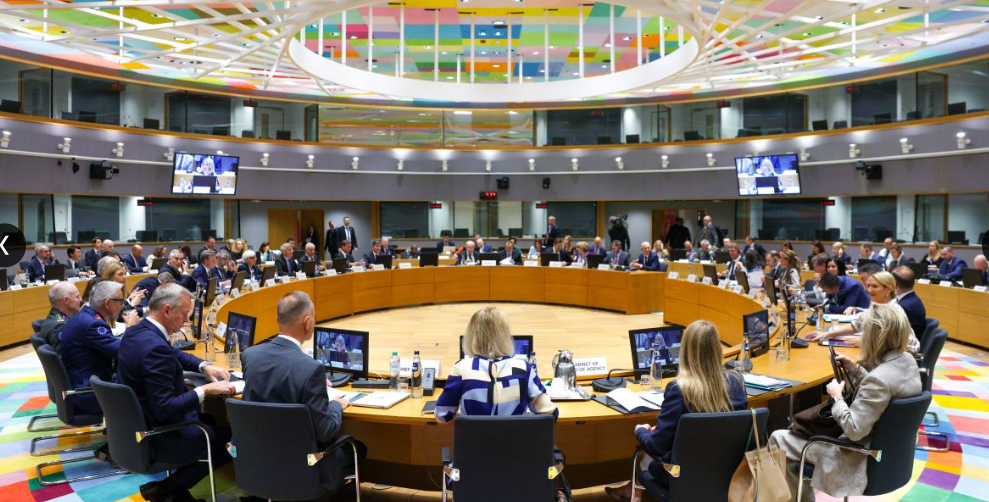
Organised by U.S. Army Southern European Task Force, Africa (SETAF‑AF), ALFS26 convened senior military leaders from across Africa with partner nations, academics, technologists—and, for the first time, private industry and capital investors as first‑class participants.
This was not a cosmetic addition.
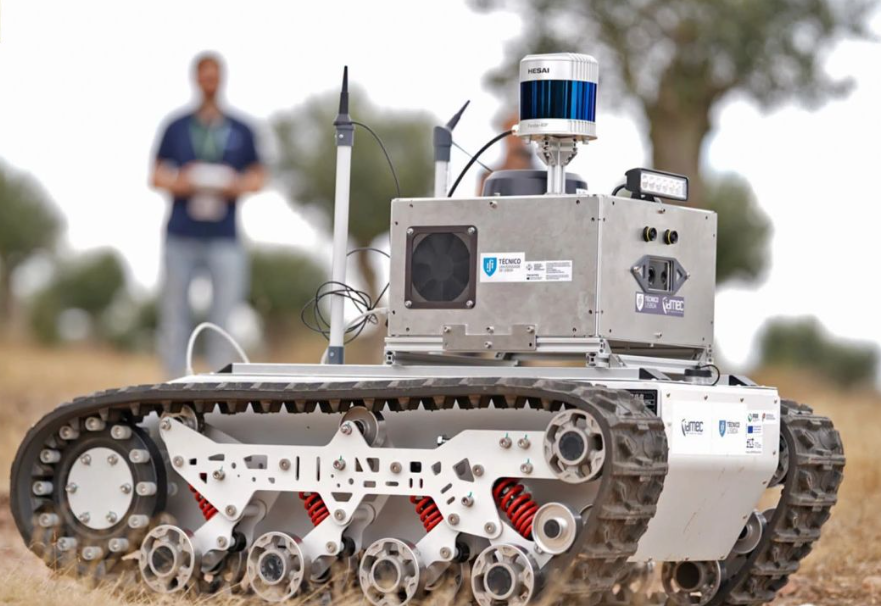
A dedicated Industry Technology Pavilion ran in parallel with military plenaries, allowing African commanders to engage directly with small technology firms, dual‑use innovators, and investors offering scalable solutions to real‑world problems. The effect was immediate: security discussions shifted from abstract capability gaps to deployable tools and viable production pathways.
Four plenary tracks structured the dialogue:
- Defining the Threat in Africa
- Intelligence‑Driven Operations
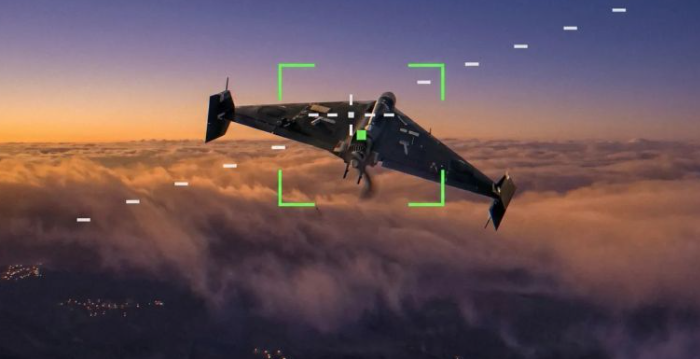
- Drone and Counter‑Drone Use
- Industrial Base Collaboration
Each reflected a simple truth: modern security ecosystems are no longer built by governments alone.
Maj. Gen. Andrew C. Gainey, commanding general of SETAF‑AF, framed the summit as a deliberate move away from legacy procurement thinking. The focus, he said, is on integrating innovation and capital early, rather than treating them as downstream enablers.
That framing matters—especially for Africa.
The continent faces overlapping challenges: terrorism, border instability, information warfare, and the rapid spread of cheap unmanned systems. Traditional supplier‑customer defense relationships move too slowly for that environment. ALFS26 suggested a different model: co‑creation, where African forces influence design, deployment, and sustainment from the outset.
Rome’s symbolism was also intentional. Holding ALFS26 in Europe—rather than Africa or the United States—signalled that African security is no longer viewed as a regional issue, but a global strategic priority.
Just as important were the informal outcomes.
Conversations that began in plenaries continued in side rooms, over working sessions, and across sectors that rarely speak candidly to one another. Military leaders discussed operational realities; industry leaders discussed constraints; investors discussed timelines and risk. For once, everyone was working from the same map.
ALFS26 did not claim to solve Africa’s security challenges in three days. But it did something arguably more powerful: it redefined how those challenges will be addressed going forward.
The age of siloed solutions is ending. In its place is a model built on shared intelligence, shared risk—and shared responsibility.
Rome may be remembered as the place where Africa’s security future stopped being discussed in fragments—and started being built as a system.