A Drone Over Da Nang - Why a Tourist Incident Signals a Much Bigger Problem And Why Sentrycs Matters

When authorities in Da Nang fined a German tourist for flying a drone without permission, the response was swift and by the book. The operator was summoned by the local military command, a violation record was issued, and the drone was temporarily confiscated under Vietnam’s strict UAV regulations.
But from an airspace‑security perspective, the most important detail came earlier.
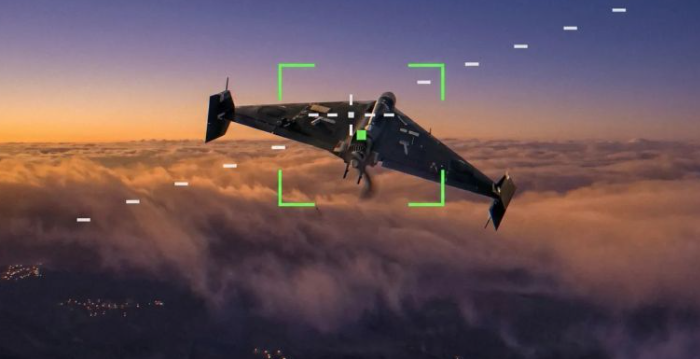
The drone was detected after it was already airborne.
Enforcement Is Not Prevention
Incidents like this are increasingly common worldwide. Unauthorized drones—often flown without malicious intent—appear over cities, tourist sites, and critical areas with alarming regularity. The problem is not regulation; Vietnam’s laws are clear and penalties are significant. The problem is visibility.
Without continuous monitoring, authorities only discover a drone once it is already overhead. At that point, options are limited, response times shrink, and risk increases. This is precisely the gap that counter‑drone systems like Sentrycs are designed to close.
Seeing the Drone Before It Becomes a Problem
Sentrycs takes a fundamentally different approach to drone security.
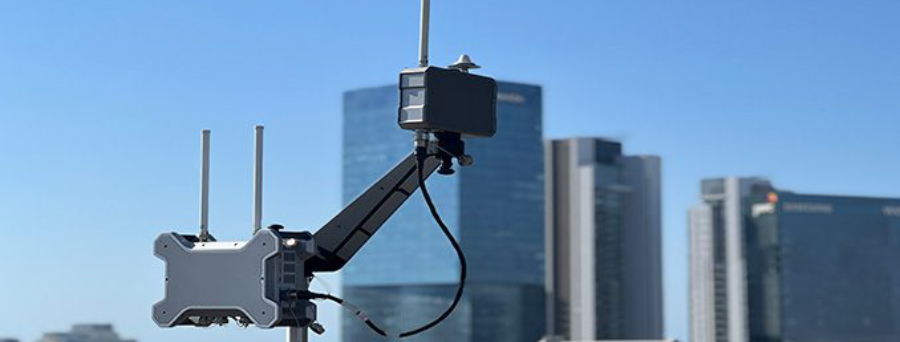
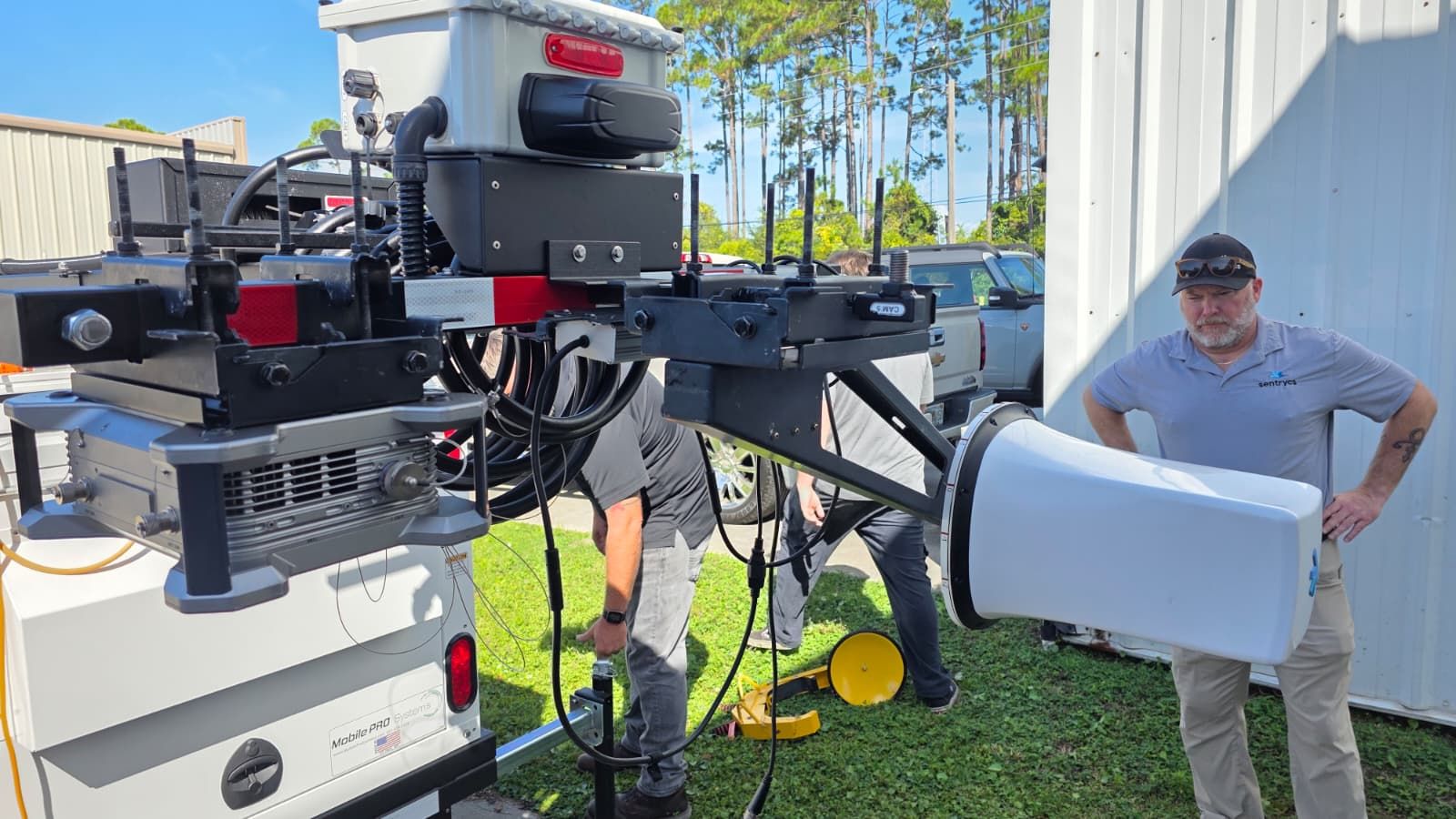
Rather than relying on radar, jamming, or kinetic interception—tools that can be restricted or disruptive in urban environments—Sentrycs operates at the communication‑protocol layer. Its technology passively analyzes the radio signals exchanged between a drone and its operator, allowing security teams to detect, track, and uniquely identify drones in real time, without interfering with other communications.
This is not theoretical capability. Sentrycs’ systems are designed to reveal:
- The drone’s identity, including make and serial number
- The operator’s location
- Flight parameters such as altitude, speed, and direction
All of this happens before a drone becomes an incident.
Why This Matters in Cities Like Da Nang
In dense urban environments, traditional counter‑UAS tools can create more problems than they solve. Jamming can interfere with civilian communications. Kinetic solutions carry obvious safety risks. Visual detection depends on human vigilance.
Sentrycs’ passive, protocol‑based approach avoids these trade‑offs. It allows authorities to maintain continuous situational awareness of the lower airspace, distinguishing between authorized and unauthorized drones with high confidence and minimal false alarms.
In a city stepping up 24/7 patrols like Da Nang, such technology shifts enforcement from reaction to prevention.
From Tourist Incidents to Strategic Infrastructure
Today it is a tourist near a city intersection. Tomorrow it could be a drone near an airport, government building, or major event.
This is why counter‑drone capability is no longer a niche military requirement. It is becoming urban infrastructure.
Sentrycs’ systems are already designed for exactly these environments—airports, borders, critical infrastructure, and public venues—where authorities need precise control without collateral impact.
By identifying not just the drone, but the operator behind it, security teams gain a decisive advantage: they can respond proportionally, lawfully, and early.
The Bigger Lesson
The Da Nang case will likely fade from the headlines. But the underlying challenge will not.
Drones are cheap, accessible, and increasingly capable. Regulation alone cannot manage that reality. Cities and security agencies need tools that provide real‑time awareness, not just penalties after the fact.
The drone was confiscated. The lesson is clear.
If authorities want to keep control of their airspace, they must be able to see it—continuously. That is where solutions like Sentrycs move from optional to essential.