Vector AI Drone from Quantum Systems and the Bureaucracy Trap - Is Germany Missing the UAV Revolution?

Germany often speaks about digital transformation, industrial sovereignty and strategic autonomy. Yet in one of the most important emerging technologies of the next decade, the country risks becoming a follower instead of a leader.
That technology is unmanned aerial systems (UAS).
According to Gerald Wissel, chairman of the German industry association UAV Dach, Germany is moving too slowly while other countries rapidly scale drone ecosystems, industrial production and operational deployment.
And the consequences could be significant.
Drones are no longer experimental gadgets. They are rapidly becoming critical infrastructure tools, transforming industries ranging from logistics and agriculture to infrastructure inspection and national security.
A Technology With Strategic Importance
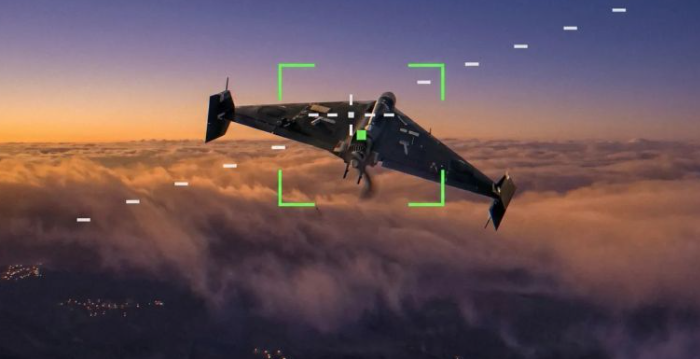
Modern UAV platforms such as the Vector AI drone developed by the German defense technology company Quantum Systems demonstrate what is technically possible today.
Advanced drones can already perform tasks such as:
• inspection of power lines and wind farms
• monitoring railways and critical infrastructure
• delivery of medical supplies
• disaster response and emergency logistics
• agricultural monitoring
• public safety and security missions
These capabilities connect multiple policy priorities at once: digitalization, resilience, economic growth and security policy.
The real question is not whether autonomous systems will become widespread.
The question is who will build them—and who will control the market standards that follow.
Germany’s Structural Problem
Technically, many drone applications are already safe and efficient.
Yet large-scale deployment in Germany remains rare.
The reasons are not technological limitations but structural obstacles, including:
• regulatory complexity
• bureaucratic approval processes
• fragmented industrial strategies
• slow public procurement
• lack of operational scaling
Many promising drone applications remain stuck in pilot projects instead of reaching real commercial operations.
As Wissel argues, the core mistake is often how drones are perceived.
Too often, they are treated as consumer electronics products rather than aircraft systems.
In reality, UAVs are part of aviation and require structured processes including:
• airworthiness certification
• safety management systems
• maintenance and operational standards
• trained operators and clear responsibilities
These frameworks already exist in commercial aviation—but they have not yet been fully adapted to the rapidly growing drone sector.
When Regulation Becomes a Barrier
Safety remains essential for any aviation system.
However, excessive regulatory complexity can unintentionally block innovation.
Lengthy approval procedures, fragmented responsibilities and administrative burdens can make drone operations too expensive or impractical to scale.
As a result, companies often choose to deploy new technologies in countries with more agile regulatory environments.
This creates a dangerous dynamic:
Innovation leaves the country while Germany becomes a technology importer instead of a technology leader.
The Industrialization Gap
Another key issue is the lack of large-scale industrialization.
Prototypes alone cannot create a sustainable market.
To enable tens of thousands of commercial drone flights per day, the industry needs:
• standardized drone platforms
• mass production capabilities
• professional maintenance networks
• spare parts supply chains
• integrated airspace management systems
The commercial aviation sector has demonstrated how standardization enables scale.
The drone industry must follow a similar path.
Five Steps Toward a Competitive Drone Ecosystem
Industry leaders argue that Germany needs several decisive actions to unlock the UAV market.
First, regulatory frameworks must support scalable drone operations, allowing standard missions to receive faster approval.
Second, authorities need to build a transparent digital airspace monitoring system for low-altitude drone traffic.
Third, Germany must develop an industrial strategy for drone manufacturing, maintenance and logistics.
Fourth, the public sector should act as an anchor customer, using government procurement to stimulate market growth.
Finally, a robust system for identifying and detecting illegal drones is necessary to protect critical infrastructure while allowing legal operations to expand.
The Race for Standards
Countries that act quickly today will shape the global drone ecosystem tomorrow.
Whoever defines the operational standards, certification processes and technological frameworks will also shape the global market.
Germany has strong advantages:
• world-class engineering talent
• leading research institutions
• innovative startups
• a large domestic market
But these advantages alone are not enough.
In emerging technologies, speed matters as much as capability.
If Germany fails to move quickly, the future of drone technology may be defined elsewhere.
And once standards are set globally, late adopters often find themselves buying the technologies they could have built themselves.