The Missile That Matters Most May Be the One Iran Has Not Fired Yet
The most dangerous part of Iran’s missile campaign may not be the weapons already launched.
It may be the weapons still being held back.
Recent attacks suggest a possible sequencing strategy: use cheaper drones and older missiles to sustain pressure, reveal defensive behaviour and consume expensive interceptors, while preserving more capable weapons for a later phase of the campaign.
If that assessment is correct, Iran is not simply trying to overwhelm air defences with volume. It is trying to shape the conditions for a more dangerous strike.
Missile defence is often presented as a contest between individual technologies: one missile against one interceptor, one radar against one threat, one engagement measured as a success or failure.
In reality, prolonged air and missile warfare is also a competition between inventories.
The attacker can choose when to launch, which routes to use, how many weapons to combine and which targets to threaten. The defender must decide which tracks are genuine dangers, which assets deserve protection and how many interceptors should be committed to each engagement.
Those decisions become increasingly difficult as the campaign continues.
A cheap drone may pose little direct threat to a hardened military target, but allowing it to pass could still be unacceptable if it is heading toward an air base, radar site, command centre or civilian area. The defender may therefore be forced to spend a much more expensive interceptor against a relatively inexpensive weapon.
Repeated hundreds or thousands of times, that imbalance can become strategic.
Iran may also be studying how defensive networks react.
Every attack can reveal radar coverage, interceptor launch patterns, response times and priority targets. Even an unsuccessful strike may provide information about which threats trigger high-end defensive systems and how the network allocates its resources.
That knowledge could influence later attacks.
Reports that Iran is using ballistic missiles capable of high-speed manoeuvres during descent add another potential challenge. Such behaviour could reduce the time available for terminal interception and make the missile’s final path more difficult to predict.
However, caution is necessary.
Publicly available footage cannot prove that a completely new missile type has entered service, nor can it show that a specific air-defence system has been systematically defeated. Videos often provide only a narrow view of a much larger engagement.
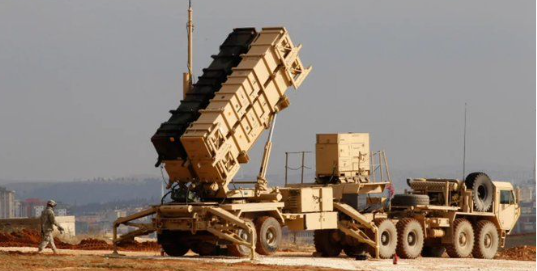
The same caution applies to footage showing multiple Patriot launches against a single apparent target.
Air-defence forces may intentionally fire two interceptors at one track when the cost of a successful enemy strike would be severe. A second launch does not automatically mean the first interceptor missed.
Without radar data, telemetry and reliable damage assessment, observers cannot confidently determine whether a video shows one warhead, multiple closely spaced threats, debris or interceptor fragments.
Visible launches prove that ammunition was used.
They do not reveal the exact probability of interception.
The more significant indication may therefore be behavioural rather than technical.
Iran appears to be testing which attack profiles force the most expensive defensive responses. At the same time, reported strikes against radars, air bases and aircraft could indicate an effort to attack not only interceptor stocks, but also the wider architecture that makes those interceptors effective.
A missile-defence network depends on more than launchers.
It requires sensors, communications, trained crews, command systems and reliable coordination. If radars are damaged or disrupted, the defender may struggle to identify threats and allocate its remaining interceptors efficiently.
Still, the attrition contest works in both directions.
American and partner air defences have reportedly intercepted large numbers of missiles and drones, while Iranian launchers, storage facilities and production infrastructure have also faced attack. Iran cannot assume that it can preserve its own inventory indefinitely.
The outcome may depend on which side can sustain pressure longer.
For defenders, the lesson is uncomfortable but clear: a successful interception today may still contribute to vulnerability tomorrow if the exchange consumes limited high-end ammunition faster than it can be replaced.
Magazine depth must therefore be protected. Defensive methods must be diversified. Critical assets must be dispersed, and commanders must prepare for an enemy that sequences different weapons deliberately rather than simply launching more of the same.
The decisive missile may not be the fastest, newest or most advanced weapon in Iran’s arsenal.
It may be the missile launched after the defender has already spent too many interceptors on everything that came before it.