The Day Territory Fell Without Troops - Ukraine’s Robotic Assault Changes the Grammar of War
For centuries, one rule defined warfare: ground is taken by people. Missiles can destroy, artillery can suppress, drones can kill—but seizing terrain requires boots, bodies, and blood.
Last week in Ukraine, that rule cracked.
President Volodymyr Zelenskyy confirmed that Ukrainian forces captured a Russian position using only unmanned platforms—a coordinated assault of aerial drones and ground robotic vehicles, with no infantry participation and no Ukrainian casualties. Russian soldiers surrendered. Humans never advanced.
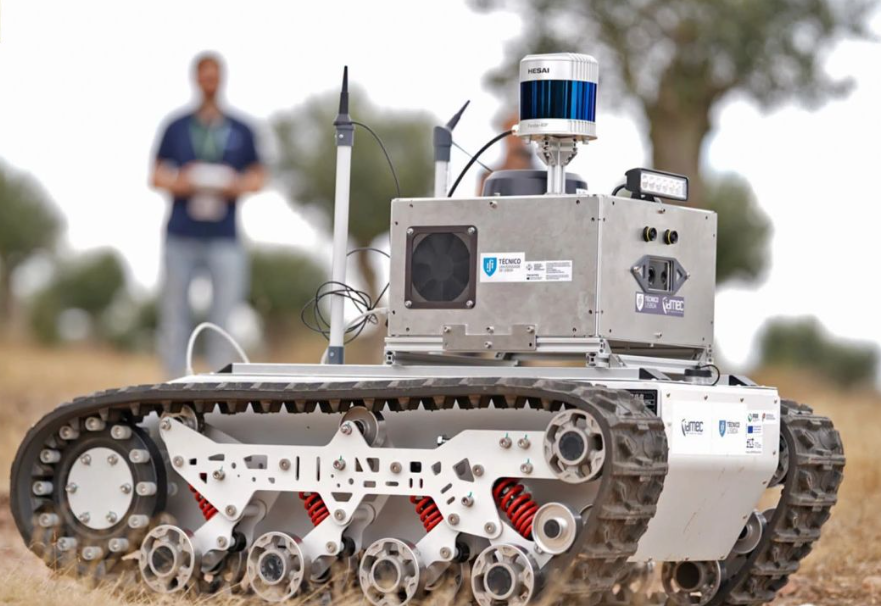
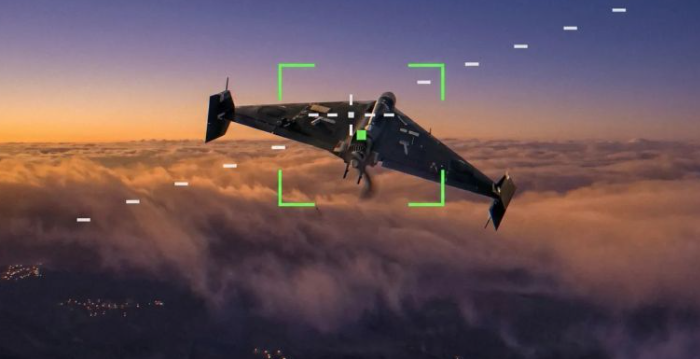
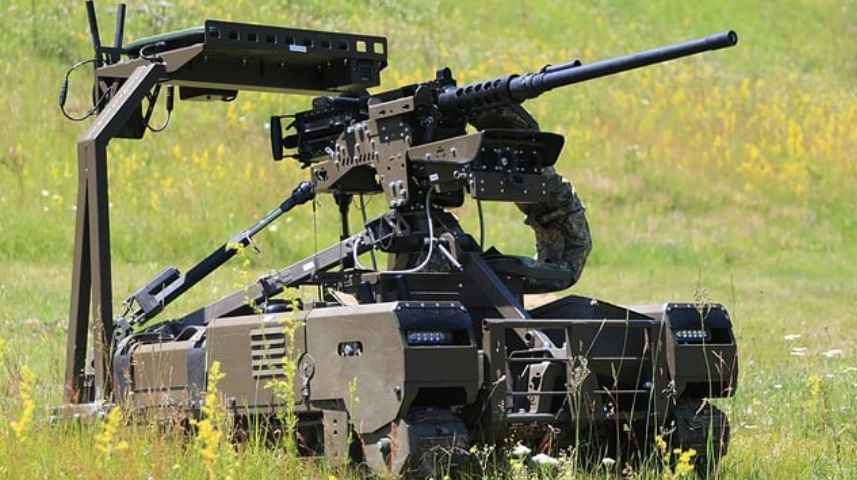
The operation, conducted by Ukraine’s 3rd Separate Assault Brigade in Kharkiv region, relied on FPV drones striking defensive positions while armed UGVs rolled forward to occupy ground and exert pressure on defenders. Russian troops emerged from damaged fortifications and gave themselves up—to machines.
This is what makes the episode different. Ukraine has used drones extensively for years. It has even experimented with robotic assaults before. But this was the first officially acknowledged instance in which unmanned systems did everything: approach, dominate, compel surrender, and secure terrain.
That distinction matters. As analysts note, hitting a target is easy. Holding ground is not. Terrain remains the currency of war, and until now it has been paid for in human risk.
Zelenskyy placed the moment in a broader context. He said Ukrainian robotic systems had conducted more than 22,000 frontline missions in the first three months of 2026, replacing soldiers in minefields, under drone surveillance, and in artillery kill zones. Each robot mission, he argued, represents a life not put in direct danger.
The shift is driven by necessity. Modern battlefields, especially in Ukraine, are saturated with persistent aerial surveillance. Any exposed movement by infantry draws immediate fire. Robots—cheaper, expendable, and harder to psychologically pressure—offer a different calculus.
But the transition is not seamless. Reports emphasize persistent technical limits: UGVs are vulnerable to electronic jamming, often lose communications, and struggle across cratered terrain. Some evacuation missions have failed when robots physically could not reach their targets. Enemy drones can also track and destroy slow-moving ground platforms.
Developers are racing to respond—working on greater autonomy when signals drop, improved navigation algorithms, and hardened drivetrains. At the same time, Ukrainian commanders are refining combined robot–drone tactics, using aerial systems to screen, guide, and protect ground machines.
Both Ukraine and Russia are heavily investing in these technologies as manpower shortages deepen. But Ukraine’s robotic seizure of territory marks something new: machines acting not as tools, but as the forward edge of combat power.
Whether this specific engagement involved a small position, as some analysts caution, may be beside the point. What matters is precedent. Once surrender without human assault becomes possible, the logic of frontline warfare changes.
The future battlefield may still be brutal.
But last week, it was briefly—and decisively—inhabited only by machines.